
Medically reviewed by Dr. Barakath Badusha Bin Abdul Kareem, Consultant Cardiologist
Authority: Northern Heart Hospital Penang
Published: 14 January 2026 | Last updated: 11 August 2026
At a Glance
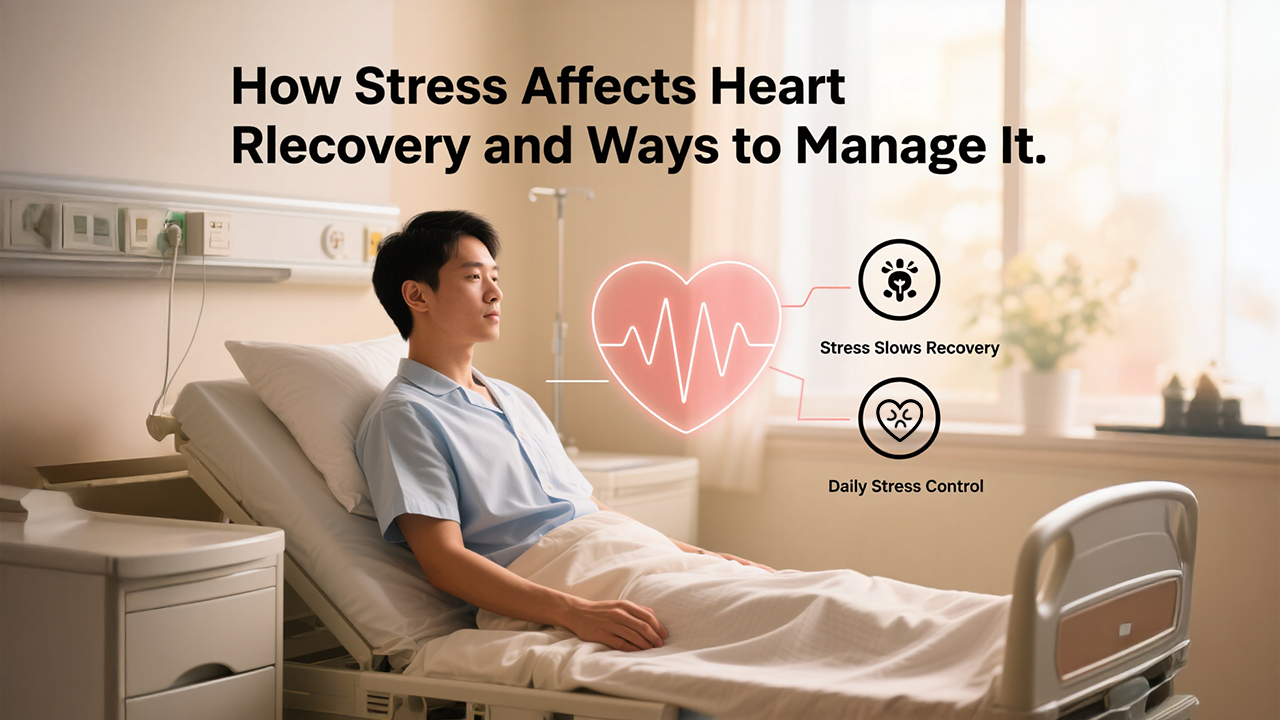
- The Core Impact: Stress triggers hormones like adrenaline and cortisol, raising blood pressure and heart rate, which delays cardiovascular healing and increases post-surgery complication risks.
- Key Warning Signals: Physical stress symptoms include chest tightness, persistent fatigue, headaches, muscle tension, upset stomach, and sleep disruption.
- Daily Stress Management: Effective daily recovery habits include deep breathing exercises, progressive muscle relaxation, mindful walking, and aiming for 7 to 9 hours of quality sleep.
- Nutritional Support: Magnesium-rich foods, omega-3 fatty acids, and limiting excess caffeine and refined sugar help calm the nervous system and protect your heart.
- Holistic Care: Combining emotional support, structured routines, and professional cardiac rehabilitation at Northern Heart Hospital improves recovery, energy levels, and overall heart function.
Recovering from heart surgery or a cardiac event isn’t just about physical healing, it’s equally about emotional and mental balance. Stress is one of the most underestimated barriers to full recovery, yet it plays a critical role in how well your heart regains strength. The good news is that stress can be managed effectively with consistent daily habits and the right guidance. Let’s break down how stress affects heart recovery and practical ways you can take control of it.
Understanding the Connection Between Stress and Heart Recovery
After a heart attack or surgery, your body works hard to repair tissues and restore circulation. Stress interferes with this process by triggering hormonal changes that increase blood pressure, tighten arteries, and elevate your heart rate. Over time, this slows healing and increases the risk of complications. Studies have shown that patients who manage their stress recover faster and experience fewer post-surgery complications than those who don’t.
What Happens to the Heart Under Stress?
Stress triggers a cascade of physiological responses that directly affect your cardiovascular system. Understanding these reactions helps you see why relaxation and emotional control are vital for recovery.
- The Role of Stress Hormones: When you’re under stress, your body releases hormones like adrenaline and cortisol. These chemicals prepare your body for “fight or flight,” increasing alertness but also straining your heart. Prolonged exposure keeps your blood vessels constricted, reducing oxygen delivery to healing tissues.
- Increased Blood Pressure and Heart Rate: Short bursts of stress temporarily raise heart rate and blood pressure. Chronic stress, however, keeps them elevated, forcing your heart to work harder. This continuous strain delays recovery, increases fatigue, and can lead to arrhythmias or chest pain episodes.
The Impact of Chronic Stress on Physical & Emotional Healing
The Emotional Side of Heart Recovery
It’s common for heart patients to experience anxiety, fear, or even depression after surgery. These emotions are natural reactions to a major life event. But if left unchecked, they can slow recovery. Patients at Northern Heart Hospital Penang often receive emotional support and counseling as part of their cardiac rehabilitation, helping them build resilience and confidence.
How Chronic Stress Slows Healing
When stress becomes chronic, it suppresses the immune system, reduces nutrient absorption, and disrupts sleep, all of which slow tissue repair. Stress also triggers inflammation throughout the body, making recovery from heart procedures more difficult. Inflammation not only affects the surgical wound but can also aggravate arteries and heart muscle.
Identifying Your Personal Stress Triggers & Warning Signals
Identifying Your Personal Stress Triggers
Each person’s stressors are different. Some feel anxious about follow-up appointments or medications, while others worry about finances or work. Keep a stress journal and note situations that elevate your tension levels. Awareness is the first step toward managing and reducing stress effectively.
Physical Symptoms of Stress You Shouldn’t Ignore
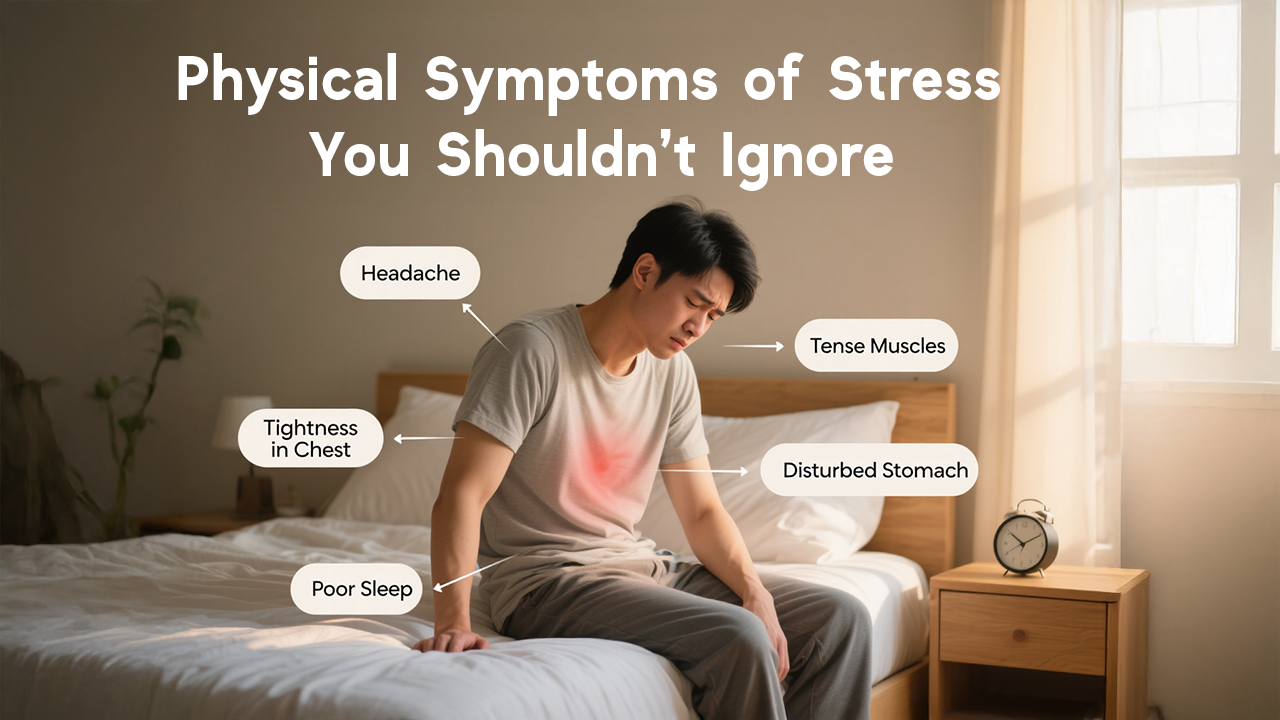
Stress often manifests physically before it becomes obvious mentally. Recognising these signals early allows you to intervene before they escalate into bigger problems:
| Category | Warning Symptoms to Monitor |
|---|---|
| Cardiovascular & Physical | Chest tightness, persistent fatigue, muscle tension |
| Systemic & Daily Function | Headaches, upset stomach, disrupted sleep |
The Impact of Stress on Medication and Lifestyle Compliance
When you’re stressed, sticking to healthy habits becomes harder. People under pressure may skip medications, eat unhealthy comfort foods, or avoid exercise. Stress impairs judgment and motivation, leading to setbacks in recovery. By building a structured routine, such as daily reminders and simple goals, you can stay consistent and protect your progress.
Actionable Daily Strategies for Stress Management
Effective Relaxation Techniques for a Healing Heart
Simple relaxation exercises can reset your nervous system, lower heart rate, and ease anxiety. Consistent practice helps you respond to stress more calmly, improving both mental and physical recovery.
- Deep Breathing and Meditation
Take five minutes each morning and evening to focus on slow, deep breaths. Inhale through your nose for four seconds, hold briefly, and exhale through your mouth for six seconds. Over time, this reduces cortisol levels and improves circulation. - Progressive Muscle Relaxation
Lie down and tense one muscle group at a time, starting from your toes and working up to your shoulders, then release. This exercise releases physical tension and helps calm racing thoughts. - Mindful Walking and Gentle Movement
Short, mindful walks not only boost cardiovascular strength but also help clear the mind. Focus on your breathing, the rhythm of your steps, and the sensations in your body as you move.
Nutrition and Stress Management for Heart Health
What you eat influences both your mood and your heart. Nutrient-rich foods stabilise blood sugar and improve energy levels, while certain nutrients naturally reduce stress.
- Foods That Calm the Nervous System: Include foods rich in magnesium (like leafy greens, nuts, and avocados) and omega-3 fatty acids (found in salmon, flaxseeds, and walnuts). These nutrients lower cortisol and improve brain function. Whole grains and berries also help regulate serotonin, the “feel-good” hormone.
- Caffeine and Sugar (Handle with Care): Excess caffeine and refined sugar can heighten anxiety, cause energy crashes, and strain your heart. If you need a boost, try green tea instead of coffee, it provides mild stimulation without spiking stress hormones.
Exercise and Sleep Protocols
- Exercise as a Stress-Relief Tool (Daytime Protocol)
Exercise releases endorphins, your body’s natural mood boosters. For heart patients, gentle physical activity, like walking, light stretching, or yoga, reduces tension and improves blood flow. Always consult your doctor before starting any new exercise, and consider supervised cardiac rehabilitation programs available at Northern Heart Hospital Penang. - Sleep The Unsung Hero of Heart Recovery (Nighttime Protocol)
Sleep is when your body performs most of its healing. Poor sleep increases stress hormones and blood pressure, while adequate rest lowers both. Create a calm bedtime routine, dim lights, avoid screens, and keep a regular sleep schedule. Aim for 7 to 9 hours of quality sleep nightly to promote heart repair.
Professional Support and Multidisciplinary Care
The Role of Support Systems in Managing Stress
You don’t have to face recovery alone. Emotional support from family, friends, or healthcare professionals makes a huge difference. Joining a cardiac support group at Northern Heart Hospital Penang can provide encouragement, shared experiences, and valuable coping strategies. Having someone listen to your concerns can significantly reduce emotional burden and feelings of isolation.
Professional Help and Therapy Options
If stress feels overwhelming, consider professional support. Cognitive-behavioral therapy (CBT), counseling, or mindfulness-based stress reduction (MBSR) programs can help you reframe negative thoughts and develop coping skills. Many hospitals, including Northern Heart Hospital, provide referrals to mental health specialists trained in cardiac patient care.
Integrating Stress Management Into Cardiac Rehab
Cardiac rehabilitation isn’t only about physical exercise. A well-rounded program addresses mental and emotional health through counseling, education, and peer support. Patients who combine relaxation training with supervised rehab often report better energy levels, improved heart function, and a more positive outlook.
Conclusion
Managing stress is as important as following your medication schedule or diet plan during heart recovery. Stress may be invisible, but its impact on your heart is powerful. By recognising triggers, practicing relaxation, maintaining healthy habits, and seeking support when needed, you can strengthen both your body and mind. Remember, healing is holistic, and with the right mindset and support from trusted institutions like Northern Heart Hospital, your heart can recover stronger than ever.
Frequently Asked Questions
Yes, chronic stress can increase blood pressure, inflammation, and heart rate, all of which may contribute to new cardiac issues if not managed properly.
It varies. Many people start feeling emotionally stable after a few months, but others may need ongoing support or therapy for a year or longer.
Absolutely. Meditation is gentle, safe, and proven to lower stress hormones. Start with short sessions and increase gradually.
Yes. Stress can change how your body absorbs medications or may cause you to forget doses. Keeping a routine and using reminders helps ensure consistency.
Morning and evening are ideal times. Morning sessions set a calm tone for the day, and evening sessions help unwind for restful sleep.
About Northern Heart Hospital Penang
Founded in 2018, it is the first and only purpose-built cardiac and vascular specialist hospital in Penang and northern Malaysia, led by highly reputable and experienced clinicians, providing comprehensive heart and vascular care under one roof in the heart of George Town.
- Clinical Expertise: Tailored post-operative nutrition and rehabilitation plans.
- Comprehensive Care: Access to leading cardiac and vascular specialists under one roof.
Schedule an appointment with our specialists today if you have concerns regarding your cardiovascular health.
Disclaimer: This content is for educational and informational purposes only and does not substitute for professional medical advice, diagnosis, or treatment. Always consult a qualified healthcare provider regarding a medical condition.