
Medically reviewed by Assoc. Prof. Dr. Edward Choke Tieng Chek, Consultant Vascular Surgeon
Authority: Northern Heart Hospital Penang
Published: 5 April 2026 | Last updated: 19 June 2026
At a Glance
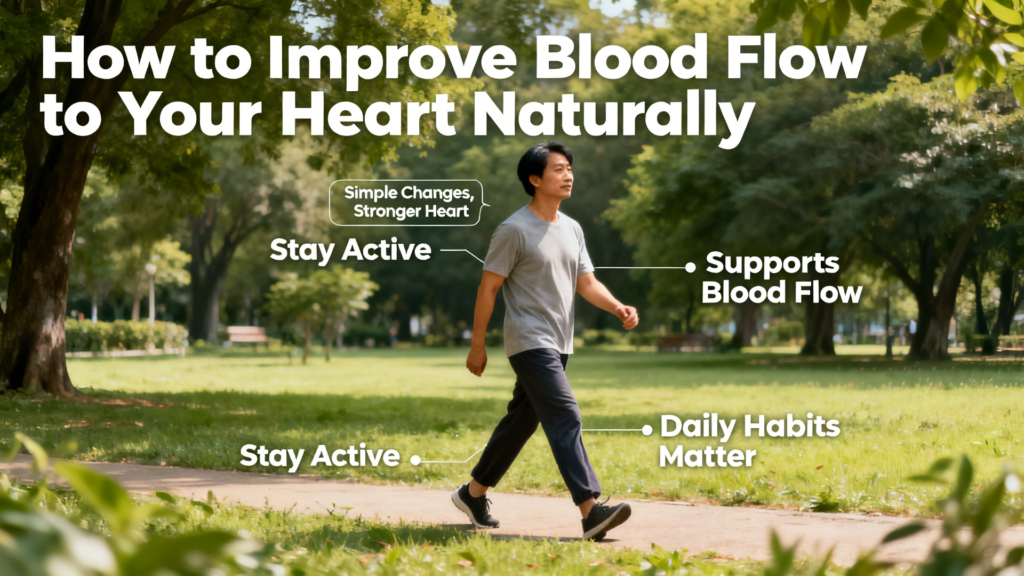
- The Goal: Boost natural circulation to reduce cardiovascular workload and protect arteries.
- Core Strategies: Prioritise nitrate-rich and Omega-3 foods, aim for 30 minutes of daily moderate movement, and maintain optimal hydration.
- What to Avoid: Prolonged sitting, chronic stress, and smoking, which restrict vascular flexibility.
- When to Act: Persistent cold extremities, leg cramps during walking, or slow wound healing require a professional vascular assessment.
Your heart works like a pump, pushing blood through miles of arteries and veins every day. But what if that blood is not flowing as it should? Poor circulation can starve your organs and tissues, putting your heart at serious risk.
The good news? You do not need expensive treatments or surgeries to take control. Let us explore natural, effective ways to boost blood flow and keep your heart beating strong.
Why Blood Flow Matters for Heart Health
Your blood carries oxygen, nutrients, and hormones to every part of your body. When blood flow is impaired, your heart has to work harder, increasing the risk of high blood pressure, heart attacks, and even strokes. Healthy circulation ensures your heart stays nourished and your blood vessels remain flexible and clear.
Warning Signs of Poor Circulation
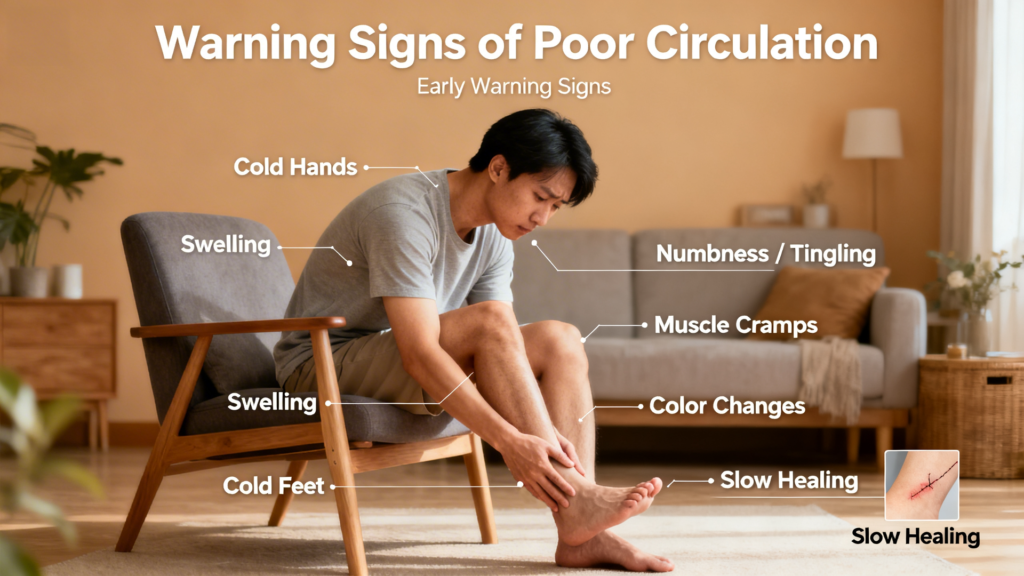
Not sure if your blood flow is sluggish? Your body often gives early hints.
Common Symptoms to Look Out For
- [ ] Cold hands and feet
- [ ] Numbness or tingling in your limbs
- [ ] Muscle cramps or fatigue after walking short distances
- [ ] Slow wound healing
- [ ] Swelling in your lower legs or ankles
- [ ] Skin discoloration
These signs should never be ignored. If you notice more than one, it’s time to take action or consult a vascular surgeon at Northern Heart Hospital Penang.
Natural Strategies to Boost Blood Flow
Improving blood circulation naturally is not only possible, but also sustainable. Small changes in your lifestyle can have a big impact.
1. Start with Heart-Healthy Nutrition
Food is powerful medicine. The right nutrients can clean your arteries, reduce inflammation, and keep your blood moving efficiently.
Top Foods That Promote Circulation
- Fatty fish like salmon and mackerel (packed with Omega-3s)
- Leafy greens such as spinach and kale (rich in nitrates)
- Citrus fruits like oranges and lemons (high in vitamin C and flavonoids)
- Nuts and seeds (especially walnuts and flaxseeds)
- Beets which help produce nitric oxide to relax blood vessels
- Garlic known for its ability to lower blood pressure and thin the blood naturally
Avoid processed foods, trans fats, and excessive sodium, which can stiffen your arteries and restrict flow.
2. Get Moving: The Role of Physical Activity
Exercise is one of the most effective ways to improve circulation. It strengthens your heart and gets your blood pumping.
| Exercise Type | Recommended Routine | Vascular Benefit |
|---|---|---|
| Brisk Walking / Light Jogging | 30 minutes per day | Stimulates overall systemic circulation |
| Cycling | Regular sessions | Targets and works the deep veins in your legs |
| Swimming | Weekly laps | Low-impact, full-body cardiovascular support |
| Stretching & Yoga | Daily morning/evening | Enhances flexibility and localised blood flow |
| Resistance Training | 2-3 times a week | Builds muscle to promote efficient vascular function |
Consistency is key. Even small movements throughout the day (like taking stairs or stretching every hour) can make a big difference.
3. Stay Hydrated to Support Vascular Health
Blood is about 90 percent water. If you’re dehydrated, your blood becomes thicker, making it harder for your heart to pump.
- Daily Target: Aim for 6 to 8 glasses of water daily.
- Adjustment: Increase this volume if you are physically active or live in a hot climate.
4. Manage Stress and Emotions
Stress causes your blood vessels to constrict and your heart rate to spike. Over time, this can damage arteries and lead to poor circulation.
- How Stress Restricts Circulation: Chronic stress floods your body with cortisol, a hormone that raises blood pressure and narrows vessels.
- Action Steps: Practicing mindfulness, meditation, or even deep breathing can reverse this effect. Try journaling, talking to a friend, or spending time in nature.
5. Sleep Matters: How Quality Sleep Affects Blood Flow
Sleep is your body’s natural repair system. During deep sleep, your blood pressure drops and your heart rate slows, allowing your cardiovascular system to rest and recover.
- Target: Aim for 7 to 9 hours of quality sleep per night.
- Sleep Hygiene: Keep a regular sleep schedule, avoid screens before bed, and limit caffeine in the evening.
Habits That Hinder Blood Circulation
Knowing what not to do is just as important as knowing what to do.
Smoking and Alcohol Consumption
- Smoking damages the lining of your blood vessels and reduces oxygen in your blood. Even occasional use can harden arteries and increase the risk of clots.
- Alcohol, in excess, can weaken your heart muscle and elevate blood pressure. Stick to moderate intake: no more than one drink per day for women and two for men.
Sedentary Lifestyle Consequences
Sitting for long periods slows blood flow. If your job involves a lot of sitting, set a timer to get up every 30 minutes. Stretch, walk, or do calf raises to encourage movement in your legs.
Natural Supplements for Circulation Support
Sometimes food and exercise need a little backup. Natural supplements can play a helpful role in boosting circulation.
- Garlic extract may reduce blood pressure and improve arterial elasticity
- Omega-3 supplements can lower triglycerides and support heart function
- Ginkgo biloba is known for enhancing blood flow, especially in extremities
- Coenzyme Q10 (CoQ10) helps energise heart cells and improve function
Important Safety Note: Always consult your physician before starting any supplement, especially if you are taking medications.
When to See a Doctor
If symptoms like cold feet, fatigue, or leg pain persist, do not wait. You might be dealing with peripheral artery disease or another serious cardiovascular issue. Early detection saves lives.
Consult a Vascular Surgeon at Northern Heart Hospital Penang
Whether you’re dealing with mild symptoms or major concerns, the team at Northern Heart Hospital Penang can provide comprehensive diagnostic tools and personalised treatment plans. From stress tests to interventional procedures, their experts are here to guide you every step of the way.
You can find expert help at Northern Heart Hospital Penang, where leading Vascular Surgeon specialise in diagnosing and treating circulation problems using advanced, minimally invasive methods.
Final Thoughts on Improving Blood Circulation
Your circulation deserves the best. While medication has its place, nature offers powerful tools to strengthen your heart and vessels. With consistent effort and a few lifestyle changes, you can take charge of your circulation and enjoy better energy, stamina, and longevity.
Frequently Asked Questions
Yes, with a combination of exercise, nutrition, stress reduction, and hydration, many people see improvement without medication.
Physical activity (like brisk walking or cycling), hydration, and consuming nitrate-rich foods such as beets and spinach can provide quick results.
Yes. Symptoms can include brain fog, dizziness, headaches, and even memory issues. Poor circulation to the brain can increase the risk of stroke.
They can. Tight-fitting garments may restrict blood flow, especially in the legs. Choose breathable, comfortable clothing when possible.
If you experience frequent fatigue, chest discomfort, cold extremities, or unexplained leg pain, it is best to consult a cardiologist at nhearthospital.com.
About Northern Heart Hospital Penang
Founded in 2018, it is the first and only purpose-built cardiac and vascular specialist hospital in Penang and northern Malaysia, led by highly reputable and experienced clinicians, providing comprehensive heart and vascular care under one roof in the heart of George Town.
- Clinical Expertise: Tailored post-operative nutrition and rehabilitation plans.
- Comprehensive Care: Access to leading cardiac and vascular specialists under one roof.
Schedule an appointment with our specialists today if you have concerns regarding your cardiovascular health.
Disclaimer: This content is for educational and informational purposes only and does not substitute for professional medical advice, diagnosis, or treatment. Always consult a qualified healthcare provider regarding a medical condition.