
Best Foods to Eat for a Faster Recovery After Cardiac Surgery
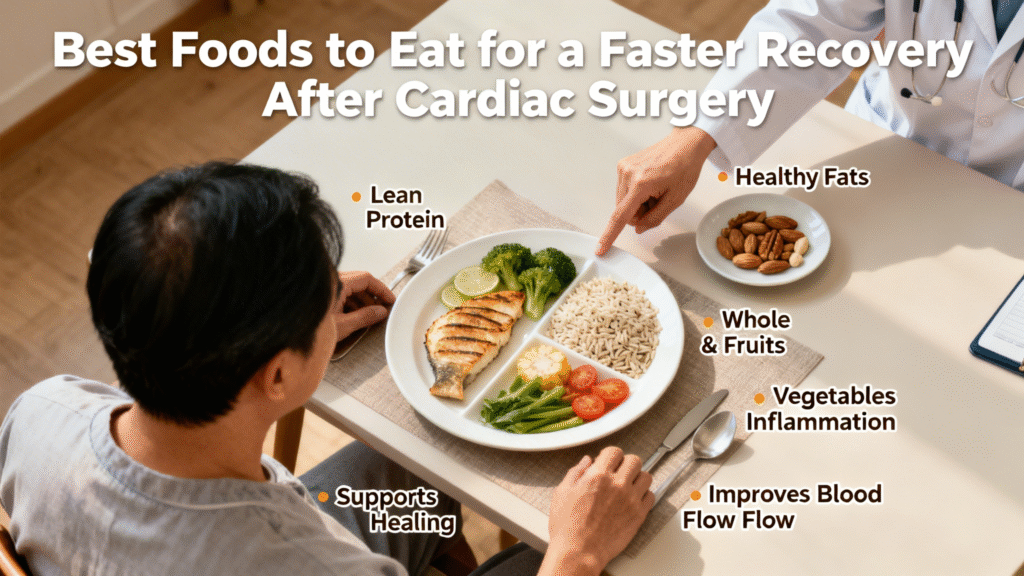
Recovering from cardiac surgery is not just about rest, medication, and follow up appointments. What you put on your plate plays a powerful role in how quickly and how well your body heals. Think of food as construction material. After surgery, your body becomes an active rebuilding site, repairing tissues, stabilizing inflammation, restoring blood flow, and strengthening heart function.
Many patients assume recovery nutrition simply means eating less salt or less fat. In reality, post cardiac surgery nutrition is far more strategic. The right foods accelerate wound healing, reduce infection risk, improve circulation, and help you regain strength safely.
Let us walk step by step through the most effective healing foods and how they support faster, smoother cardiac recovery.
Why Nutrition Matters After Heart Surgery
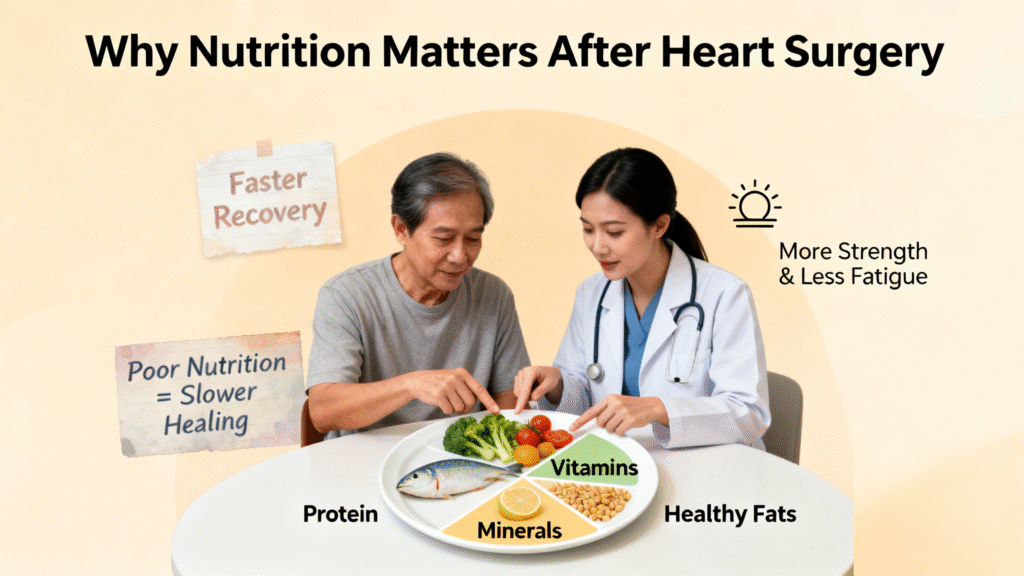
After cardiac surgery, the body enters a hypermetabolic state. This means it burns more energy even at rest because healing requires constant cellular repair.
Protein rebuilds tissues. Vitamins strengthen immunity. Minerals stabilize heart rhythm. Healthy fats reduce inflammation. Without proper nutrition, recovery slows, fatigue worsens, and complications become more likely.
Patients who follow structured recovery diets often regain mobility faster and experience fewer post-surgical setbacks.
Protein Rich Foods That Rebuild Heart and Tissue Strength
Protein acts as the primary building block for surgical healing. It repairs incisions, supports muscle strength, and prevents excessive post operative weakness.
Lean Poultry and Fish
Chicken breast, lean meat, and fish provide high quality protein that helps in tissue recovery. Fatty fish like salmon and sardines also contain omega three fatty acids that reduce inflammation and support vascular healing.
Eggs and Low Fat Dairy
Eggs supply complete amino acids essential for tissue repair. Low fat milk, yogurt, and add calcium and protein, supporting both wound healing and cardiovascular stability.
Plant-Based Protein
Tofu, tempeh, edamame, soy milk, lentils, beans offer excellent protein for the recovery. They are also low in saturated fat.
Iron Rich Foods That Restore Blood Strength
Blood loss during surgery can reduce hemoglobin levels, leading to fatigue and dizziness. Iron helps rebuild red blood cells and restore oxygen circulation.
Foods such as spinach, lentils, tofu, and lean red meat replenish iron stores. Pairing them with vitamin C rich foods enhances absorption and accelerates recovery energy levels.
Vitamin C Foods That Accelerate Wound Healing
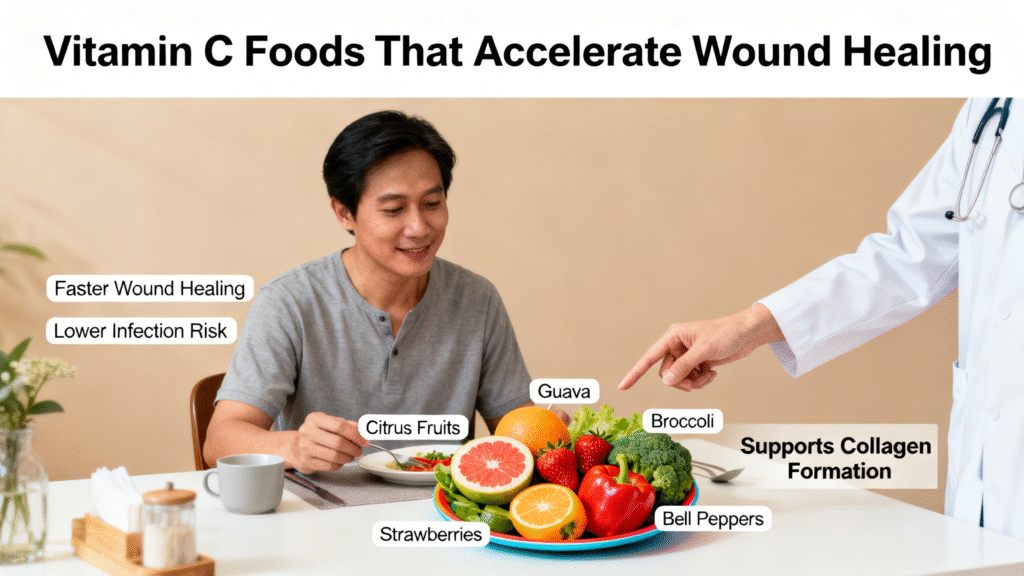
Vitamin C is essential for collagen formation, which strengthens surgical incisions and internal tissues.
Citrus fruits, guava, strawberries, bell peppers, and broccoli act like natural wound repair boosters. Regular intake supports faster scar formation and lowers infection risk.
Fiber Rich Foods That Support Digestive Recovery
Post surgery medications and reduced mobility often cause constipation. Fiber restores digestive rhythm while supporting cholesterol control.
Whole grains, oats, brown rice, chia seeds, and vegetables improve bowel movement regularity and reduce strain during recovery.
Heart Healthy Fats That Reduce Inflammation
Not all fats are harmful. Healthy fats actually protect healing arteries and reduce internal inflammation.
Avocados, olive oil, nuts, and seeds supply monounsaturated and polyunsaturated fats that improve vascular flexibility and support cardiac function.
Leafy Green Vegetables for Vascular Repair
Leafy greens provide nitrates that improve blood vessel dilation and circulation.
Spinach, kale, and mustard greens help regulate blood pressure and enhance oxygen delivery to healing tissues.
Dietitians at Northern Heart Hospital often emphasize leafy greens in recovery meal planning due to their vascular protective properties.
Antioxidant Rich Fruits That Protect the Heart
Surgical stress increases oxidative damage. Antioxidants neutralize free radicals and protect heart cells.
Berries, pomegranates, grapes, cherries and tomatoes reduce inflammation while supporting arterial health. Their natural compounds help stabilize post surgical cardiovascular stress.
Whole Grains for Sustainable Recovery Energy
Recovery fatigue is common. Whole grains provide slow releasing carbohydrates that maintain steady energy without spiking blood sugar.
Brown rice, corn, oats, and whole wheat bread fuel the body for rehabilitation exercises and daily healing processes.
Hydration Supporting Circulation and Healing
Fluids play a silent yet powerful recovery role. Proper hydration maintains blood volume, regulates temperature, and transports nutrients efficiently.
Water, herbal teas, flower teas support circulation while preventing dehydration related fatigue or dizziness.
Low Sodium Foods That Protect Surgical Heart Function
Excess sodium increases fluid retention and blood pressure, placing stress on the recovering heart.
More fresh and home cooked meals, and Use herbs & spices, vinegar, garlic, ginger, onion citrus juice (lemon/lime) help control sodium intake without sacrificing flavor.
Foods to Avoid During Cardiac Recovery
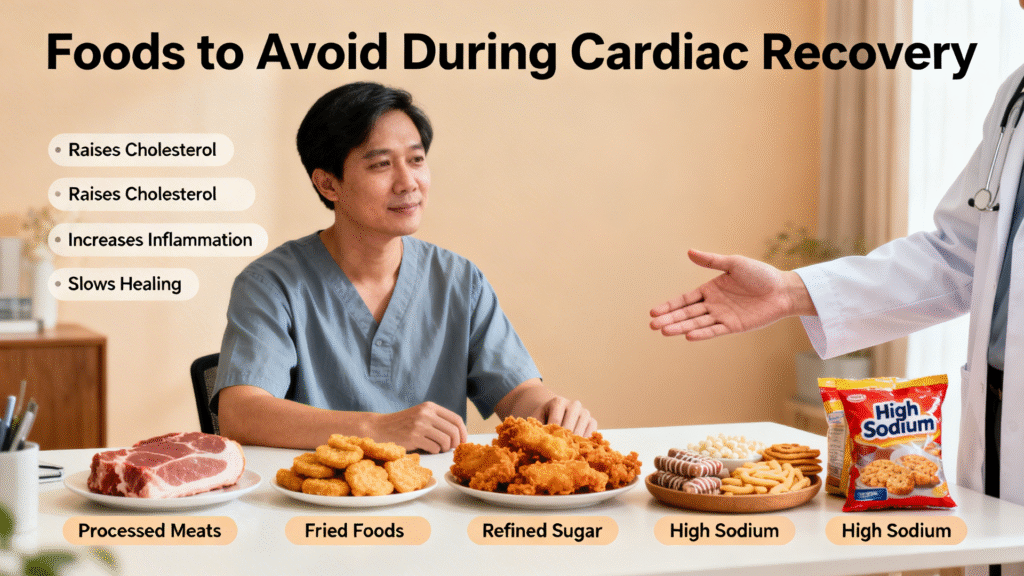
Just as some foods heal, others hinder progress.
Processed meats, deep fried foods, refined sugar, and high sodium snacks increase inflammation, elevate cholesterol, and slow tissue repair.
Avoiding these foods creates a cleaner internal healing environment.
Meal Timing and Portion Strategy
Large meals strain digestion and circulation. Smaller, balanced meals spaced throughout the day maintain stable energy and nutrient absorption.
This approach prevents post meal fatigue and supports consistent metabolic recovery.
The Role of Clinical Nutrition Guidance
Every cardiac surgery patient has unique dietary needs depending on procedure type, medications, and risk factors.
Nutrition teams at Northern Heart Hospital design individualized recovery meal plans that align with heart function, blood pressure control, and healing speed.
Emotional Comfort Through Healing Foods
Food is not only physical nourishment but emotional reassurance. Warm soups, balanced home cooked meals, and familiar healthy dishes create psychological comfort during recovery.
This emotional stability reduces stress hormones that may otherwise slow healing.
Long Term Eating Habits After Surgical Recovery
Recovery nutrition should evolve into lifelong heart protection.
Patients who maintain vegetable rich, fiber dense, and low sodium diets reduce the risk of repeat blockages, future surgeries, and cardiovascular complications.
Conclusion
Healing after cardiac surgery is a complex biological process that demands more than rest alone. Every nutrient consumed becomes part of the rebuilding framework that restores strength, stabilizes circulation, and protects the heart’s future performance. From protein rich tissue builders to antioxidant defenders and anti inflammatory spices, each food category plays a specialized role in recovery acceleration. When patients align medical care with strategic nutrition, recovery becomes smoother, safer, and more empowering. Thoughtful eating today lays the foundation for stronger cardiovascular health tomorrow.
FAQs
1. How soon should I start a heart healthy diet after surgery?
Immediately after discharge, unless your doctor provides specific dietary restrictions.
2. Are fruits safe for heart surgery recovery?
Yes. Consume 2 servings of whole fruits per day to reduce inflammation, boost up vitamin C intake and support vascular healing.
3. Can I drink coffee during recovery?
Moderate intake may be allowed, but always confirm with your cardiac specialist.
4. Should I refer to dietitian for guided meal plan?
Yes. Personalized nutrition plans optimize healing speed and protect long term heart function.