
How Cardiac Rehabilitation Helps You Regain Strength After a Heart Attack
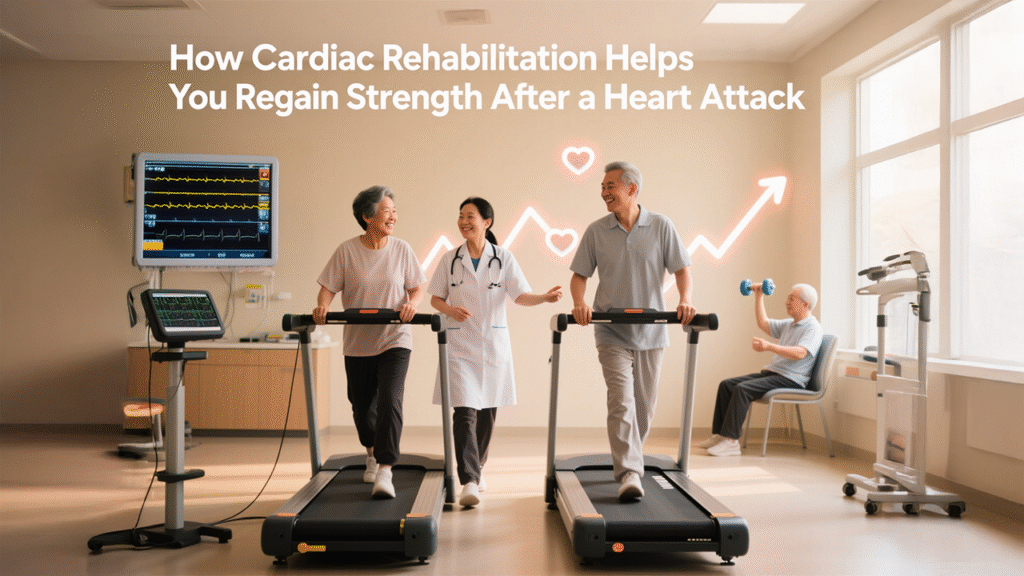
Recovering from a heart attack is more than just surviving the event, it’s about reclaiming your strength, confidence, and quality of life. Many patients feel uncertain about what comes next after leaving the hospital. That’s where cardiac rehabilitation comes in. It’s not just a fitness program; it’s a structured and supportive journey that helps your heart heal, rebuilds your stamina, and reduces the risk of future heart problems. Let’s explore how cardiac rehabilitation can help you get back to living fully and healthily after a heart attack.
Understanding Cardiac Rehabilitation and Its Purpose
Cardiac rehabilitation, often referred to as cardiac rehab, is a medically supervised program designed to help individuals recover from heart-related conditions such as heart attacks, angioplasty, or heart surgery. It focuses on three main areas, physical activity, education about heart-healthy living, and emotional support.
The program’s primary goal is to help patients regain their strength safely while preventing another cardiac event. By combining exercise, nutrition counseling, and stress management, cardiac rehabilitation helps you take control of your heart health and live a more balanced, fulfilling life.
Why Cardiac Rehabilitation Is Essential After a Heart Attack
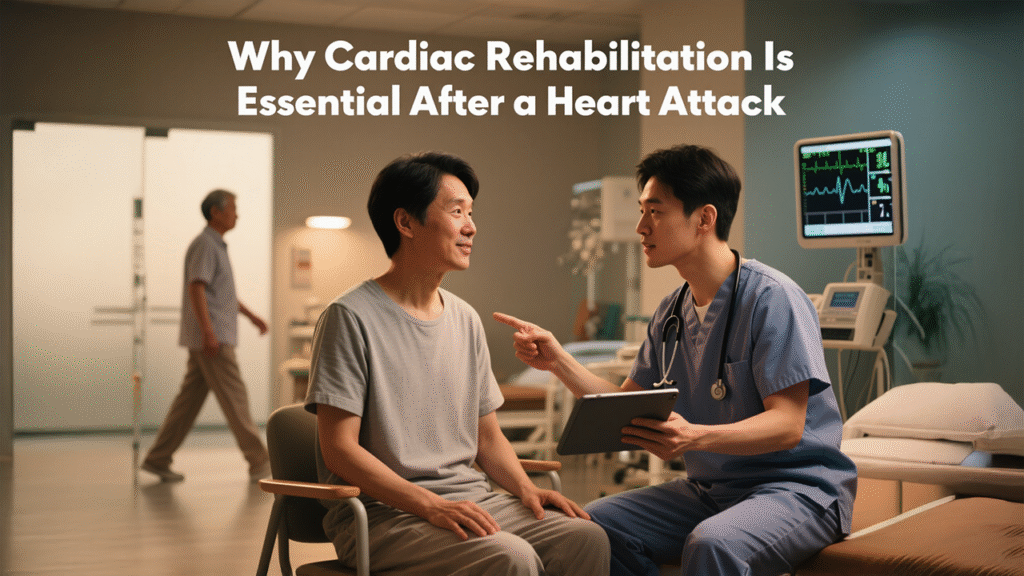
After a heart attack, your body and mind undergo significant changes. Physically, your heart needs time and proper conditioning to regain efficiency. Emotionally, many patients struggle with anxiety, depression, or fear of another attack. Cardiac rehabilitation addresses both aspects.
It provides a safe environment where your progress is closely monitored by experts, ensuring every step you take is safe and effective. Research shows that patients who complete cardiac rehab have lower rates of hospital readmission and better long-term heart function compared to those who skip it.
The Stages of Cardiac Rehabilitation
Cardiac rehabilitation is typically divided into three main phases, each with distinct goals and approaches.
h3 Phase 1: In-Hospital Recovery
This phase starts immediately after your heart attack while you’re still in the hospital. The focus is on early movement, breathing exercises, and gentle activities to prevent muscle loss and improve circulation.
h3 Phase 2: Outpatient Rehabilitation
Once you’re discharged, you’ll join a structured program under medical supervision. This stage includes personalized exercise routines, nutritional guidance, and lifestyle education.
h3 Phase 3: Long-Term Maintenance
After completing outpatient rehab, you continue the habits you’ve learned at home or through community programs. This phase is about staying consistent and building lifelong healthy routines.
How Exercise Rebuilds Heart Strength
Exercise is the cornerstone of cardiac rehabilitation. It might seem intimidating at first, but the key is gradual progression under supervision. Activities are tailored to your condition and endurance level, helping you rebuild your heart’s efficiency without overexertion.
For example, low-impact exercises like brisk walking, cycling, and gentle swimming improve circulation and strengthen the heart muscle. Over time, you’ll notice better stamina, reduced fatigue, and improved confidence in your physical abilities.
At Northern Heart Hospital, cardiac rehab specialists closely monitor your heart rate and blood pressure during workouts to ensure safe progress while maximizing benefits.
Nutrition and Heart-Healthy Eating During Recovery

What you eat after a heart attack has a powerful effect on your recovery. A heart-healthy diet supports healing, lowers cholesterol, and stabilizes blood pressure.
Foods That Strengthen the Heart
Include plenty of fruits, vegetables, whole grains, and lean proteins. Foods rich in omega-3 fatty acids, like salmon, walnuts, and flaxseeds, can improve heart function and reduce inflammation. Olive oil and avocados provide healthy fats that support cardiovascular health.
Foods to Limit or Avoid
Stay away from processed foods, sugary drinks, and items high in trans fats or sodium. These can contribute to artery blockage and undo the progress you’ve made through rehab.
The Role of Emotional Healing in Cardiac Rehabilitation
Heart attack recovery isn’t only physical, it’s emotional too. Many patients experience fear, sadness, or even guilt after the event. Cardiac rehabilitation helps address these emotions through counseling and peer support.
Group therapy sessions and one-on-one counseling available at Northern Heart Hospital provide a safe space to discuss your feelings, reduce anxiety, and regain confidence. Emotional balance is vital because a positive mindset promotes faster recovery and long-term wellbeing.
Learning to Manage Stress for a Healthier Heart
Stress is one of the silent enemies of heart health. Chronic stress can increase blood pressure, disrupt sleep, and elevate stress hormones, all of which put extra strain on your heart.
Cardiac rehabilitation programs often include stress management techniques such as mindfulness meditation, deep breathing exercises, and yoga. These help calm your nervous system and enhance emotional resilience. Over time, you’ll learn to respond to challenges with calmness instead of anxiety.
Rest and Recovery as Part of the Healing Process
Rest is as essential as exercise when it comes to heart recovery. Quality sleep allows your body to repair damaged tissues, regulate blood pressure, and balance hormones.
Aim for seven to eight hours of restful sleep each night. If you experience insomnia or restless sleep after your heart attack, speak with your doctor or cardiac rehab team, they can offer strategies to improve sleep quality naturally.
Avoiding Habits That Can Delay Recovery
Certain habits can interfere with your recovery and increase the risk of another heart attack. Smoking, excessive alcohol intake, and a sedentary lifestyle are major contributors to poor heart health.
Quitting smoking immediately helps your blood vessels heal and improves oxygen delivery throughout your body. The support programs available at Northern Heart Hospital provide professional help for those looking to break free from nicotine addiction safely.
How Cardiac Rehabilitation Improves Long-Term Survival
Cardiac rehabilitation doesn’t just help you recover faster, it significantly improves your long-term survival. Studies show that consistent participation reduces the risk of death from heart disease by up to 25 percent.
It also improves your overall fitness, mental wellbeing, and energy levels, helping you return to everyday activities with confidence. Patients who stick with their programs tend to live longer, healthier, and happier lives.
Monitoring Your Progress During Rehabilitation
Regular monitoring ensures that your recovery is on track. Medical professionals assess your blood pressure, heart rate, cholesterol levels, and overall stamina to make sure you’re improving safely.
At Northern Heart Hospital, advanced diagnostic tools and personalized assessments help track progress and adjust treatment plans according to individual needs.
Choosing the Right Rehabilitation Center
The quality of your cardiac rehabilitation program can make a major difference in your recovery. Choosing a facility with experienced specialists ensures you receive comprehensive and compassionate care.
Northern Heart Hospital offers state-of-the-art facilities and an expert team led by cardiologists such as Dr. Tan Chiang Soo and Dr. Donald Ang Swee Cheng, both of whom are renowned for guiding patients through safe and effective cardiac recovery programs.
Building Healthy Habits That Last a Lifetime
The ultimate goal of cardiac rehabilitation is to equip you with lifelong habits that protect your heart. By consistently applying what you’ve learned, regular exercise, balanced nutrition, stress control, and medication adherence, you set the foundation for lasting heart health.
Small changes like taking the stairs, preparing nutritious meals, and practicing gratitude each day can go a long way in maintaining your progress and preventing another cardiac event.
The Importance of Family and Community Support
Recovery becomes easier when you have the right support system. Family members who understand your lifestyle changes can help you stay accountable and motivated. Many cardiac rehab programs also involve family education sessions so loved ones can play an active role in your healing journey.
Community support groups, like those offered at Northern Heart Hospital, create a sense of belonging and encouragement. Sharing experiences with others who’ve been through similar challenges fosters hope and inspiration.
Returning to Normal Life with Confidence
Once you complete your cardiac rehabilitation program, you’ll notice remarkable improvements in your strength, endurance, and emotional wellbeing. You’ll be able to resume your favorite activities, whether it’s walking in the park, gardening, or spending time with your grandchildren, without the constant fear of overexertion.
Cardiac rehabilitation helps you rebuild not just your heart, but also your confidence and joy in living.
Conclusion
A heart attack may mark the end of one chapter, but with the right care and determination, it also begins a new one, a healthier, stronger, and more mindful life. Cardiac rehabilitation empowers you to take control of your heart health, guiding you step by step toward recovery.
With expert supervision, personalized exercise plans, and emotional support from facilities like Northern Heart Hospital, you can regain your strength, restore your confidence, and embrace life with a renewed heart.
FAQs
1. What is the main goal of cardiac rehabilitation after a heart attack?
The primary goal is to help patients recover safely, strengthen their heart, and prevent future cardiac events through guided exercise and education.
2. When can I start cardiac rehab after a heart attack?
Most patients can begin cardiac rehabilitation within a few weeks after discharge, once cleared by their cardiologist.
3. How long does a typical cardiac rehab program last?
Programs usually last 6 to 12 weeks, depending on your condition, progress, and doctor’s recommendations.
4. Can cardiac rehabilitation improve my mental health?
Yes, many programs include counseling and stress management techniques that help reduce anxiety and depression after a heart attack.
5. Is cardiac rehab covered by insurance or medical plans?
In most cases, cardiac rehabilitation is covered under medical insurance or healthcare plans. It’s best to confirm with your provider before starting.