
How Hospitals Treat Patients With Chest Pain Emergencies
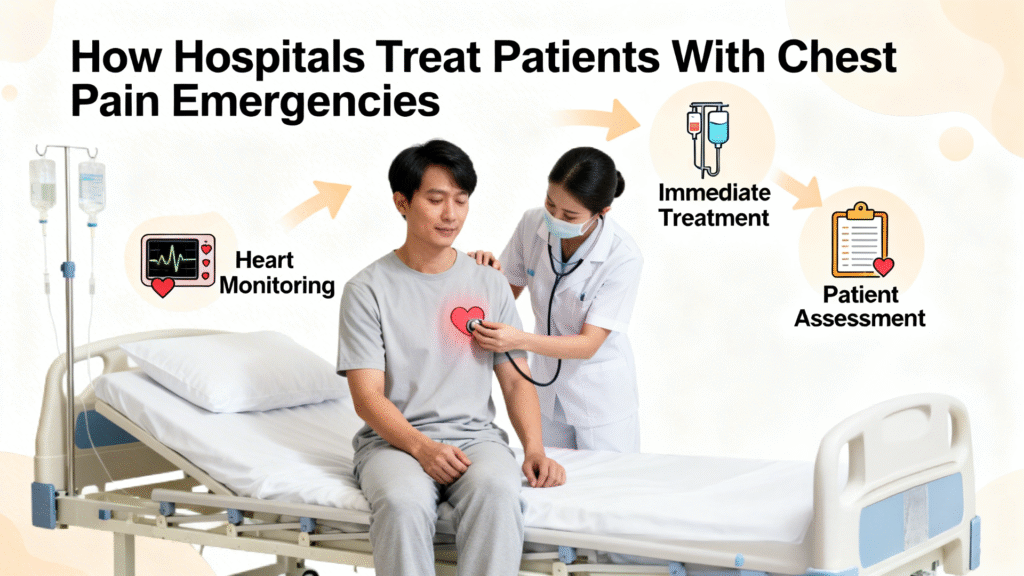
Chest pain emergencies are among the most serious reasons people rush to hospitals. Every second counts because chest pain can signal life-threatening conditions like heart attacks. Hospitals have structured, step-by-step approaches to ensure patients receive immediate care that can save their lives. Let’s dive deep into how these medical facilities manage chest pain from the moment a patient arrives until long-term recovery.
Understanding Chest Pain and Its Urgency
Chest pain is not something to take lightly. It can be a symptom of many different conditions, but in emergency medicine, the primary concern is always the heart. A heart attack or severe cardiac event may feel like pressure, burning, squeezing, or tightness in the chest. Because these symptoms can rapidly worsen, hospitals treat every chest pain patient as urgent until proven otherwise. The saying “time is muscle” emphasizes that delays in treatment can cause permanent heart damage.
Common Causes of Chest Pain
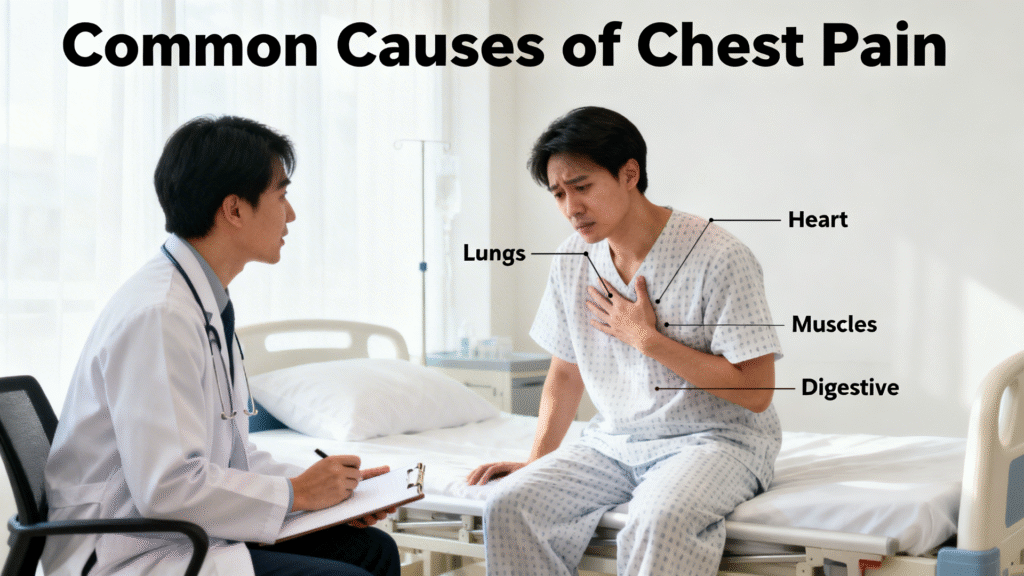
Chest pain doesn’t always mean a heart attack, but doctors must quickly figure out the root cause to provide proper treatment.
Cardiac-Related Causes
The most serious causes include heart attack (myocardial infarction), unstable angina, pericarditis (inflammation of the heart’s lining), or even severe arrhythmias. These conditions require immediate intervention, often involving medications, stents, or surgery.
Non-Cardiac Causes
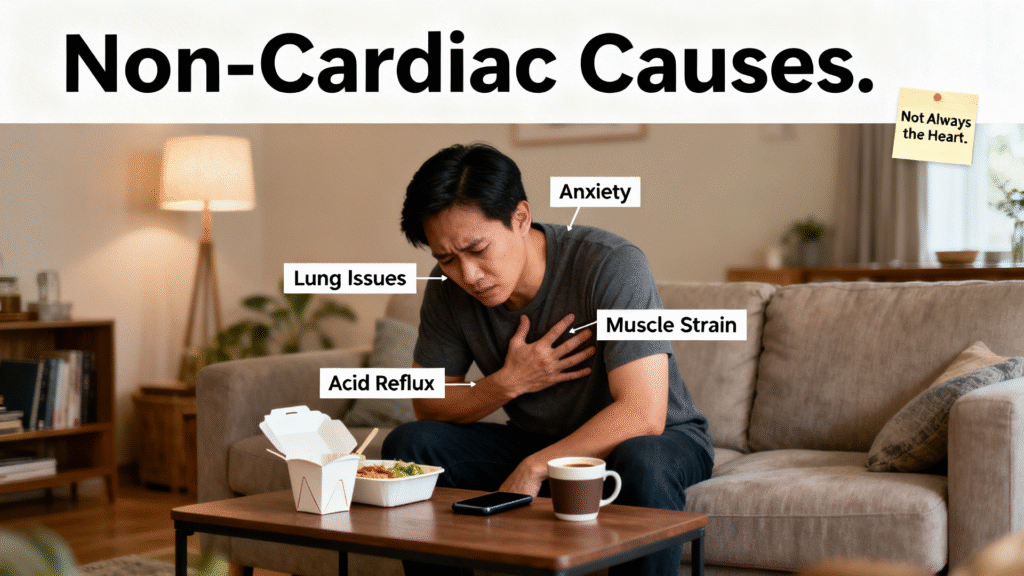
Not all chest pain comes from the heart. Lung conditions such as pneumonia, pulmonary embolism, or pleuritis can mimic cardiac pain. Gastrointestinal problems like acid reflux or esophageal spasms also cause chest discomfort. Even anxiety and muscle strain can be culprits. Despite this wide range, hospitals always rule out cardiac issues first because of their life-threatening nature.
First Response When a Patient Arrives
When a patient shows up at the hospital with chest pain, staff act fast.
Triage and Rapid Assessment
Nurses and emergency physicians quickly categorize the patient’s condition. Those with severe symptoms like shortness of breath, sweating, fainting, or radiating pain are given priority for immediate evaluation.
Recording Medical History and Symptoms
The team collects information about the patient’s age, medical history, lifestyle, and any medications. They also ask key questions: When did the pain start? How long does it last? Does it spread to the arm, neck, or jaw? This context helps narrow down the possible causes.
Immediate Tests for Chest Pain Patients
Speed is critical, so hospitals rely on several tests to uncover the cause.
Electrocardiogram (ECG)
An ECG is usually the first test performed. It records the electrical activity of the heart and helps identify irregular rhythms, blocked arteries, or ongoing heart attacks.
Blood Tests for Cardiac Enzymes
Blood samples check for troponins and other enzymes that rise when heart muscle is damaged. Elevated levels confirm a heart attack.
Imaging and X-rays
Chest X-rays can rule out lung problems, while CT scans or echocardiograms may reveal blockages, valve issues, dissection of the aorta or fluid in the lungs.
Emergency Treatments for Chest Pain
Once the cause is suspected or confirmed, treatment begins immediately.
Oxygen Therapy and Monitoring
If a patient is short of breath, oxygen support helps maintain stability. Continuous monitoring of heart rate, oxygen saturation, and blood pressure ensures no sudden changes go unnoticed.
Medications for Pain and Heart Support
Doctors may give aspirin to thin the blood, nitroglycerin to ease chest pressure, or morphine for severe pain. Beta-blockers, statins, and anticoagulants are also commonly prescribed depending on the diagnosis.
Advanced Procedures: Angioplasty and TAVI
In severe cases, procedures like angioplasty (where a balloon is used to open blocked arteries and stents are inserted) are performed. Some hospitals, such as Northern Heart Hospital, also specialize in Transcatheter Aortic Valve Implantation (TAVI), a minimally invasive surgery for valve replacement without open-heart surgery.
The Role of Specialists in Managing Chest Pain
Chest pain emergencies involve a team effort, with multiple specialists working together.
Cardiologists and Interventional Experts
Cardiologists lead the charge by diagnosing heart-related causes. Interventional cardiologists perform life-saving procedures like stenting and angioplasty.
Cardiothoracic Surgeons
If surgery is required, cardiothoracic surgeons step in for bypass operations, valve repairs, or other complex heart surgeries.
Vascular Surgeon
If the cause is due to splitting of the layers of curta (aortic dissection) vascular surgeon in hospitals with advance vascular service such as Northern Heart Hospital can preform procedures such as endovascular artic repair (EVAR or TEVARD to fix committed arctic condition.
Supporting Specialists (Radiologists, Anaesthesiologists, Nephrologists)
Radiologists provide imaging support, anaesthesiologists ensure safe sedation for procedures, and nephrologists help manage complications in patients with kidney disease, which is common among cardiac patients.
Patient Monitoring and Follow-Up Care
Treatment doesn’t end after the emergency is resolved.
ICU Observation
High-risk patients are monitored in intensive care units (ICUs) to ensure no complications occur after initial treatment.
Lifestyle and Long-Term Care Plans
Patients are guided on diet, exercise, medication compliance, and regular follow-ups. Lifestyle changes like quitting smoking, managing diabetes, and reducing stress play a crucial role in preventing future emergencies.
How Northern Heart Hospital Manages Chest Pain Emergencies
In Penang, Malaysia, Northern Heart Hospital is one of the leading institutions in managing chest pain emergencies.
State-of-the-Art Technology and Facilities
The hospital is equipped with advanced diagnostic tools like cardiac MRI, echocardiography, and catheterization labs for immediate interventions.
Experienced Specialists and Their Contributions
With cardiologists such as Dr. Tan Chiang Soo, Dr. Barakath Badusha, Dr. Donald Ang, Dr. Mugilan Sundarajoo and Dr. Chen Lean Seng, the hospital provides a strong backbone of expertise. Their ability to perform high-risk interventions, combined with cardiothoracic surgeons like Prof. Dato’ Dr. Abu Yamin and Prof. Dato’ Dr. Basheer Ahamed, and vascular Surgen Assoc. Prof. Dr. Edward Choke ensures patients receive world-class care without delay.
Conclusion
Chest pain emergencies require a swift, structured, and expert-driven response. Hospitals worldwide follow a clear pathway — from rapid triage to advanced treatments like angioplasty or surgery. What makes a difference is not just the technology but the teamwork of specialists who dedicate their lives to saving patients in crisis. Facilities like Northern Heart Hospital exemplify this commitment, blending cutting-edge care with compassionate treatment.
FAQs
1. How do hospitals know if chest pain is a heart attack?
They use ECGs, blood tests for cardiac enzymes, and imaging scans to quickly identify heart-related problems.
2. What happens if chest pain isn’t heart-related?
Doctors explore lung, aorta gastrointestinal, or musculoskeletal causes and provide targeted treatment once cardiac issues are ruled out.
3. How fast should someone go to the hospital with chest pain?
Immediately. Delaying treatment could be life-threatening if it’s a heart attack.
4. Can lifestyle changes prevent chest pain emergencies?
Yes. Healthy eating, regular exercise, stress management, and avoiding smoking significantly reduce risks.
5. Why choose Northern Heart Hospital for chest pain care?
Because of its advanced facilities, experienced cardiologists, and ability to perform life-saving procedures quickly and effectively.