
Why Cardiac Rehab Is a Must for Long-Term Heart Recovery
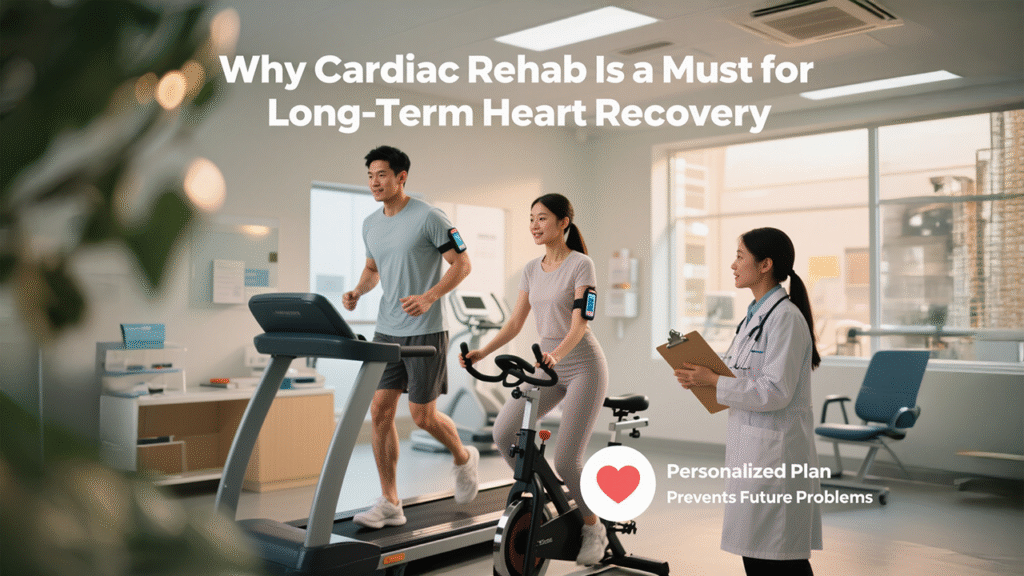
Recovering from a heart event such as a heart attack, bypass surgery, or angioplasty is not just about getting discharged from the hospital. It’s about rebuilding your heart health step by step so that you regain confidence, strength, and independence. Cardiac rehabilitation plays a crucial role in that journey. It’s not just a program of exercise, it’s a comprehensive plan that combines physical training, education, and emotional support to help your heart heal and prevent future problems.
This article will walk you through why cardiac rehab is a must for long-term heart recovery, what it includes, how it helps, and what you can expect during each stage of the process.
Understanding Cardiac Rehabilitation
Cardiac rehabilitation, often called cardiac rehab, is a medically supervised program designed to improve cardiovascular health after a heart event or surgery. It focuses on physical fitness, heart-healthy living, stress management, and education about lifestyle changes.
For example, a person who has undergone angioplasty might attend cardiac rehab sessions several times a week to gradually rebuild endurance while learning how to manage risk factors like high blood pressure, cholesterol, or stress.
Who Needs Cardiac Rehab
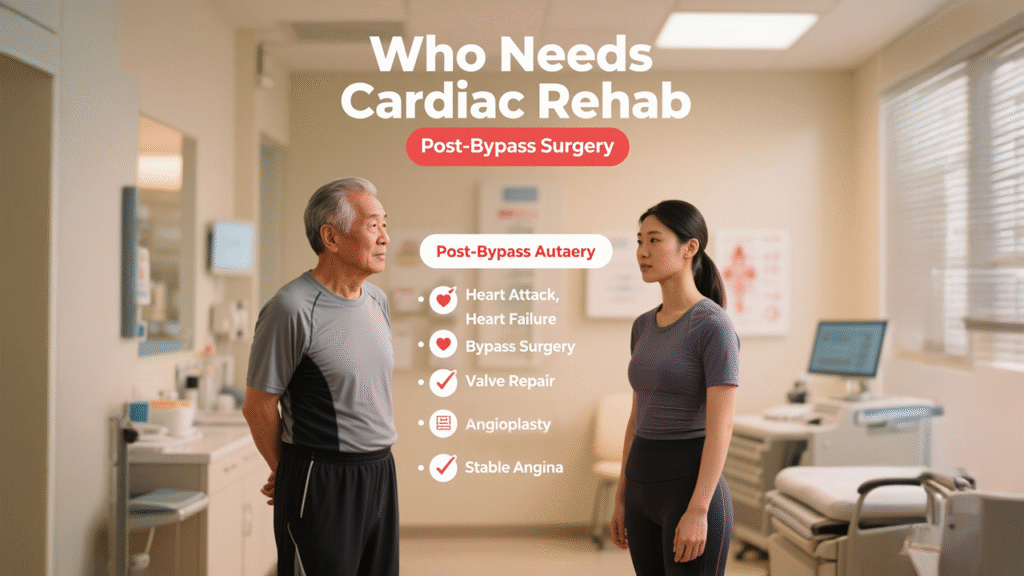
Anyone who has had a heart-related diagnosis or procedure can benefit from cardiac rehab. This includes those who have experienced a heart attack, heart failure, bypass surgery, valve repair or replacement, angioplasty, or even stable angina.
Example: A 58-year-old patient recovering from coronary bypass surgery joins rehab to restore strength, while a 45-year-old recovering from a heart attack participates to prevent recurrence. Both benefit immensely from the program’s structured approach.
The Three Main Phases of Cardiac Rehab
Cardiac rehab typically unfolds in three structured phases, each tailored to your progress and needs.
Phase 1: In-Hospital Recovery
This phase begins immediately after your cardiac event or surgery. The goal is early mobilization, getting you to move safely under supervision to prevent complications such as blood clots or muscle weakness. Nurses and physiotherapists may guide you through light bed exercises and short walks.
Phase 2: Outpatient Rehabilitation
This phase usually starts a few weeks after discharge. You’ll attend supervised exercise sessions several times per week. Medical staff monitor your heart rate, blood pressure, and symptoms during workouts, ensuring safety while gradually increasing endurance.
Phase 3: Long-Term Maintenance
Once you complete the structured program, you’ll move into long-term maintenance. This involves continuing the habits learned in rehab, regular physical activity, healthy eating, stress control, and medication adherence, to maintain heart health for life.
Physical Exercise for a Stronger Heart
Exercise is the cornerstone of cardiac rehab. Regular physical activity helps the heart pump more efficiently, lowers blood pressure, improves cholesterol, and boosts overall stamina.
Types of Exercise You Can Expect
Rehab typically includes aerobic exercises like walking, cycling, or swimming, along with light strength training and flexibility work.
Real-Life Example
A patient recovering from angioplasty may start with 10-minute slow walks on a treadmill and progress to 30-minute sessions of moderate exercise as strength improves. Every step is monitored to ensure safety and steady progress.
Nutrition and Heart-Healthy Eating in Cardiac Rehab
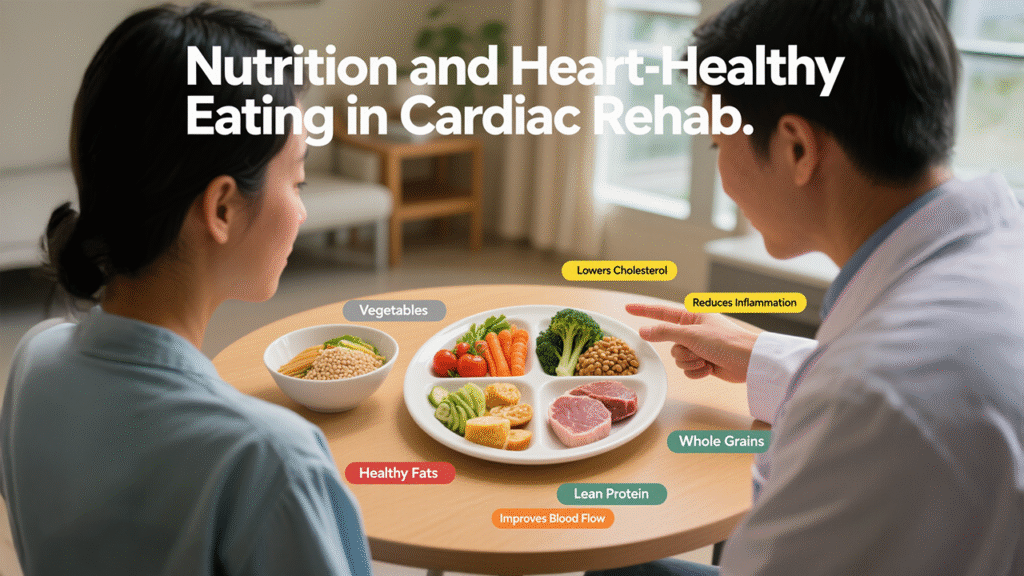
A healthy heart begins with a balanced diet. Nutrition counseling in cardiac rehab focuses on choosing foods that reduce inflammation, improve blood flow, and lower cholesterol.
Foods That Heal the Heart
Fill your plate with fruits, vegetables, whole grains, lean proteins, legumes, and omega-3-rich fish. Use olive oil instead of butter and include nuts or seeds for heart-boosting fats.
Foods to Avoid
Limit processed foods, refined sugar, salt, and trans fats. For example, cutting down on sugary drinks and fried snacks can significantly improve your lipid profile and blood pressure over time.
For more detailed guidance, explore the Rehabilitation Services from Northern Heart Hospital, where nutritional support is an essential part of cardiac recovery.
Managing Stress and Emotional Health
Heart recovery isn’t just physical; it’s also emotional. Many patients feel anxious or depressed after a heart event, which can hinder recovery.
How Rehab Helps Manage Stress
Cardiac rehab programs teach relaxation techniques such as deep breathing, mindfulness, and meditation. They may also include counseling or support groups to help patients navigate emotional challenges.
Example: A patient who initially felt fearful about exercising after surgery learns through rehab that safe, monitored workouts can actually strengthen the heart and reduce anxiety.
Medication Adherence and Medical Monitoring
Medications are vital for preventing another cardiac event. During cardiac rehab, healthcare professionals educate you about your prescriptions and their purposes.
Example: You might learn how statins lower cholesterol, how beta-blockers reduce heart strain, or how antiplatelet drugs prevent clotting. This understanding helps improve adherence and prevents skipped doses, which can be dangerous.
Preventing Future Heart Problems
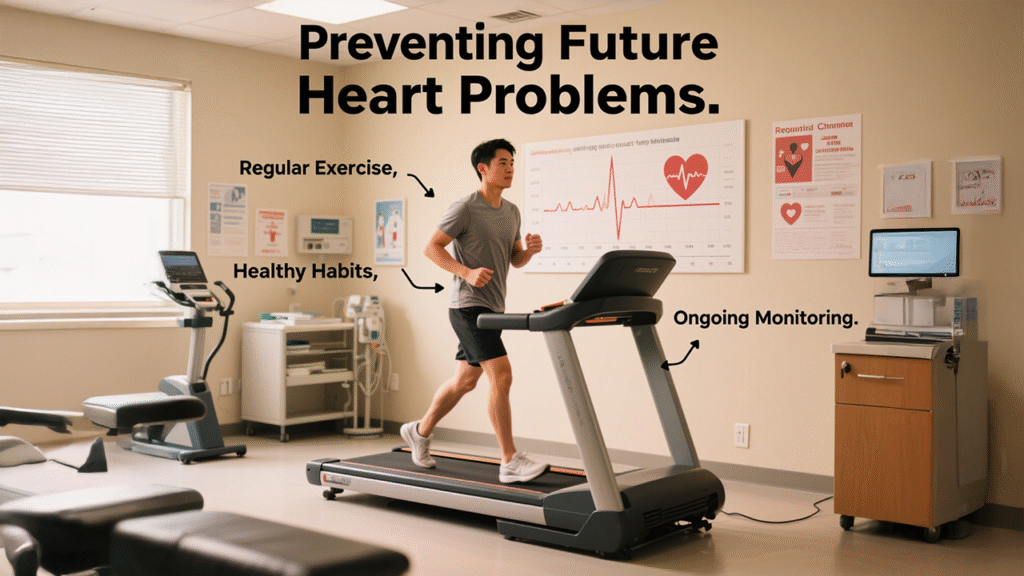
Cardiac rehab isn’t only about recovery, it’s about prevention. Every session and lifestyle change is designed to lower your risk of another heart attack or complication.
Example: Through regular monitoring, your team might identify rising blood pressure early and adjust your treatment before it causes harm. You’ll also learn practical strategies for long-term heart health, such as maintaining a healthy weight, quitting smoking, and controlling blood sugar.
The Role of Education in Cardiac Rehab
Knowledge empowers recovery. Cardiac rehab programs teach you everything from how to monitor your pulse to recognizing warning signs of trouble.
Example: Patients learn when shortness of breath or chest pain requires medical attention and how to manage safe physical activity at home.
Building Healthy Habits for Life
Long-term success after cardiac rehab depends on turning short-term changes into lifelong habits.
Setting Realistic Goals
Start small and consistent, like walking 20 minutes daily or choosing grilled over fried foods.
Creating Accountability
Track your progress with a fitness app or join a walking group. Many patients find social support key to staying motivated after completing rehab.
The Social Side of Cardiac Rehabilitation
Rehab programs also foster community. Working alongside others who’ve faced similar challenges provides encouragement and shared motivation.
Example: Group exercise classes and education sessions help patients exchange tips, share progress, and overcome fears together.
The Benefits of Cardiac Rehab
Cardiac rehab offers measurable, evidence-based benefits. Patients who complete rehab are less likely to be rehospitalized, have fewer heart complications, and live longer.
Physical Benefits
Improved endurance, blood pressure control, and cholesterol levels.
Psychological Benefits
Reduced anxiety, improved confidence, and a better overall quality of life.
Long-Term Impact
Sustained participation reduces the risk of future cardiac events by up to 30 percent, according to multiple clinical studies.
Choosing the Right Cardiac Rehab Program
Look for programs that provide a multidisciplinary approach, medical supervision, personalized exercise plans, nutrition advice, and emotional support.
For instance, at Northern Heart Hospital, cardiac rehab programs are customized for each patient’s condition and progress, ensuring a safe, comprehensive recovery process.
When to Start Cardiac Rehab
Timing is essential. Most patients begin cardiac rehab within a few weeks after their heart event or surgery, once their cardiologist gives approval. Early participation leads to faster recovery and better long-term outcomes.
How Family Support Enhances Recovery
Family involvement can make a big difference. When family members learn about heart-healthy cooking, stress management, and medication routines, patients feel more supported and stay consistent.
Common Misconceptions About Cardiac Rehab
Many patients skip rehab because of myths, believing it’s only for the elderly, that it’s too intense, or that they can just exercise at home.
In reality, rehab is tailored for all ages and abilities, supervised for safety, and proven to deliver results that self-guided recovery cannot.
Conclusion
Cardiac rehabilitation is not optional, it’s a vital step in your long-term heart recovery. It restores your physical strength, rebuilds confidence, teaches crucial lifestyle habits, and lowers the risk of future heart problems. Whether you’ve had a heart attack, bypass surgery, or angioplasty, joining a program like the one at Northern Heart Hospital can make all the difference in your recovery journey. Remember, it’s not just about healing your heart, it’s about strengthening your life.
FAQs
1. What is the main goal of cardiac rehabilitation?
The main goal is to help patients recover from heart events by improving physical fitness, adopting healthy habits, managing stress, and preventing future complications.
2. How long does a cardiac rehab program usually last?
Most programs last 12 to 16 weeks, with sessions several times a week. The duration depends on your health condition and progress.
3. Can I start cardiac rehab at home?
While some exercises can be done at home later, the initial phases should be supervised by professionals for safety and proper monitoring.
4. What if I’m older or have other medical conditions?
Cardiac rehab is designed for all ages and fitness levels. The medical team tailors the program to your individual health status and physical capacity.
5. How do I join a cardiac rehab program?
Ask your cardiologist for a referral. Hospitals such as Northern Heart Hospital offer comprehensive rehabilitation programs with expert guidance.