
Medically reviewed by Dr. Barakath Badusha Bin Abdul Kareem, Consultant Cardiologist
Authority: Northern Heart Hospital Penang
Published: 13 January 2026 | Last updated: 12 August 2026
At a Glance
- What it is: A medically supervised three-phase programme combining physical exercise, nutritional guidance, and emotional support.
- Proven Impact: Consistent participation reduces the risk of cardiovascular mortality by up to 25% and significantly lowers hospital readmission rates.
- Key Components: Monitored low-impact exercise, heart-healthy nutrition, stress management, and psychological counselling.
- Expert Supervision: Monitored directly by cardiac rehab specialists and consultant cardiologists at Northern Heart Hospital Penang.
Recovering from a heart attack is more than just surviving the event, it’s about reclaiming your strength, confidence, and quality of life. Many patients feel uncertain about what comes next after leaving the hospital. That’s where cardiac rehabilitation comes in. It’s not just a fitness programme; it’s a structured and supportive journey that helps your heart heal, rebuilds your stamina, and reduces the risk of future heart problems. Let’s explore how cardiac rehabilitation can help you get back to living fully and healthily after a heart attack.
Understanding Cardiac Rehabilitation and Its Purpose
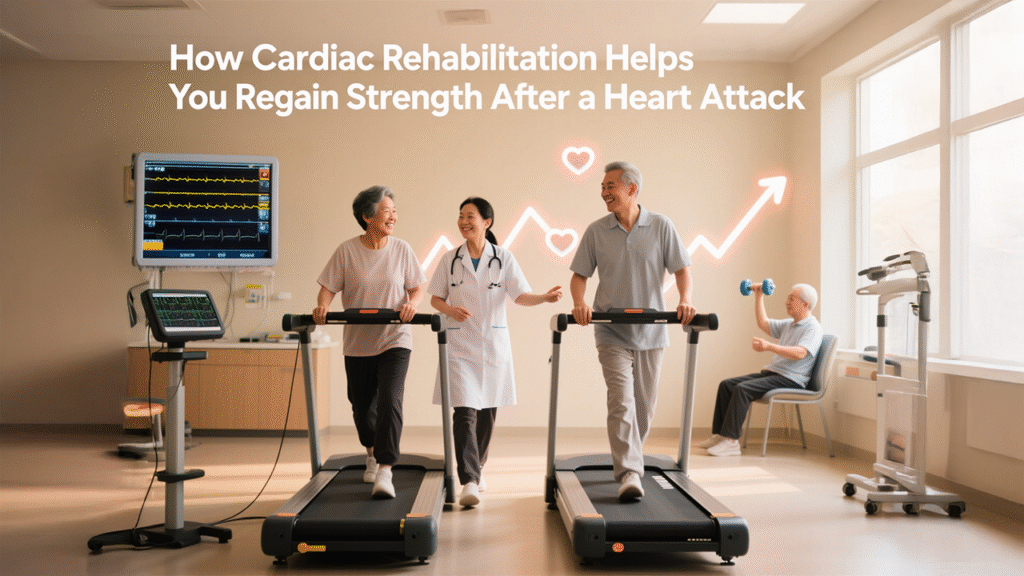
Cardiac rehabilitation, often referred to as cardiac rehab, is a medically supervised program designed to help individuals recover from heart-related conditions such as heart attacks, angioplasty, or heart surgery.
The programme focuses on three foundational pillars:
- Physical Activity: Tailored exercise to rebuild cardiovascular efficiency.
- Heart-Healthy Education: Guidance on nutrition, medication, and risk factor management.
- Emotional Support: Counselling to address post-event anxiety and stress.
The programme’s primary goal is to help patients regain their strength safely while preventing another cardiac event. By combining exercise, nutrition counseling, and stress management, cardiac rehabilitation helps you take control of your heart health and live a more balanced, fulfilling life.
Why Cardiac Rehabilitation Is Essential After a Heart Attack
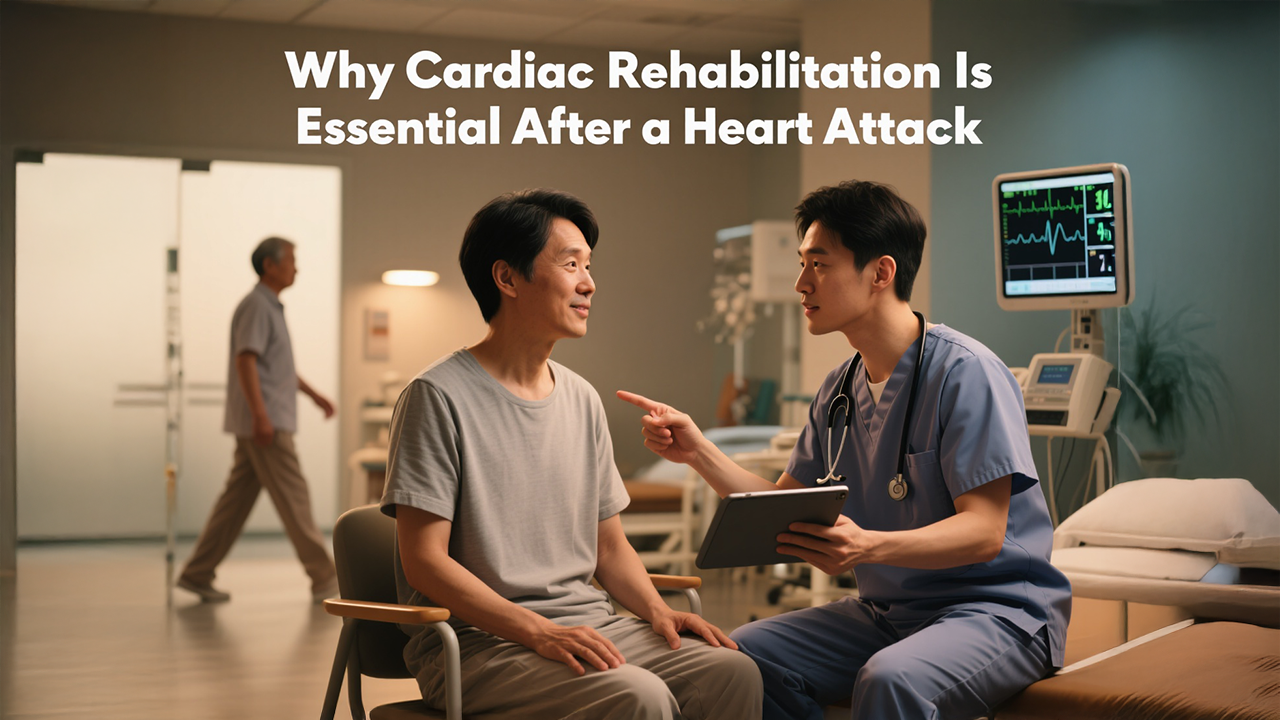
After a heart attack, recovery involves both physical and emotional adaptation:
- Physical Recovery: Your heart muscle requires structured, progressive conditioning to regain pumping efficiency.
- Emotional Wellbeing: Many patients experience anxiety, depression, or fear of a recurrent event.
Cardiac rehabilitation addresses both aspects simultaneously within a safe environment where progress is monitored continuously by clinical experts. Patients who complete cardiac rehab demonstrate lower rates of hospital readmission and improved long-term heart function compared to those who do not participate.
The 3 Phases of Cardiac Rehabilitation
Cardiac rehabilitation is typically divided into three main phases, each with distinct goals and approaches.
| Phase | Setting | Core Focus & Activities |
|---|---|---|
| Phase 1: In-Hospital Recovery | Inpatient (Hospital) | Early mobilisation, breathing exercises, and gentle movement to prevent muscle loss and support circulation immediately following the event. |
| Phase 2: Outpatient Rehabilitation | Outpatient Clinic | Monitored, personalised exercise routines, dietary guidance, lifestyle modification, and clinical progress tracking. |
| Phase 3: Long-Term Maintenance | Home / Community | Sustaining healthy habits independently through ongoing exercise routines, balanced nutrition, and routine follow-up assessments. |
How Exercise Rebuilds Heart Strength
Exercise is the cornerstone of cardiac rehabilitation. It might seem intimidating at first, but the key is gradual progression under supervision. Activities are tailored to your condition and endurance level, helping you rebuild your heart’s efficiency without overexertion.
Recommended Low-Impact Activities:
- Gentle swimming
- Brisk walking
- Stationary cycling
These activities promote collateral circulation and strengthen the myocardium without causing overexertion. Over time, patients experience improved stamina, reduced fatigue, and heightened physical confidence.
At Northern Heart Hospital Penang, cardiac rehab specialists closely monitor your heart rate and blood pressure during workouts to ensure safe progress while maximising benefits.

Nutrition and Heart-Healthy Eating During Recovery
What you eat after a heart attack has a powerful effect on your recovery. A heart-healthy diet supports healing, lowers cholesterol, and stabilises blood pressure.
Dietary Management Overview
| Category | Recommended Foods | Foods to Limit or Avoid |
|---|---|---|
| Primary Choices | Fresh fruits, vegetables, whole grains, and lean proteins. | Processed foods and items high in trans fats or sodium. |
| Healthy Fats | Olive oil, avocados, salmon, walnuts, and flaxseeds (rich in Omega-3). | Sugary beverages and refined carbohydrates. |
| Clinical Benefit | Supports vessel repair, reduces systemic inflammation, and lowers LDL cholesterol. | Prevents arterial plaque accumulation and blood pressure spikes. |
Emotional Healing and Stress Management
Recovery extends beyond physical healing. Emotional distress, such as anxiety, sadness, or vulnerability, is common following a heart attack.
Emotional Support Framework
- Stress Reduction Techniques: Programmes incorporate mindfulness meditation, deep breathing exercises, and yoga to lower nervous system reactivity, reduce stress hormone elevation, and stabilise blood pressure.
- Psychological Counselling: One-on-one sessions and group therapy at Northern Heart Hospital Penang offer a secure environment to process emotions and reduce health-related anxiety.
Rest, Recovery, and Habit Modification
Rest is a vital component of physiological repair. Quality sleep enables tissue restoration, blood pressure regulation, and hormonal stabilisation.
Actionable Recovery Checklist
- [ ] Sleep Hygiene: Target 7 to 8 hours of uninterrupted sleep per night. Consult your care team if experiencing insomnia.
- [ ] Smoking Cessation: Cease nicotine use immediately to restore vascular endothelial function and oxygen delivery.
- [ ] Alcohol Moderation: Limit or eliminate intake to avoid elevated blood pressure and myocardial strain.
- [ ] Sedentary Reduction: Incorporate gentle daily movement, avoiding prolonged periods of inactivity.
Professional support programmes are available at Northern Heart Hospital Penang to assist patients with nicotine cessation and lifestyle adjustment.
Long-Term Survival and Progress Monitoring
Regular clinical monitoring ensures recovery remains on a safe trajectory. Medical teams evaluate parameters including blood pressure, heart rate, lipid profiles, and functional stamina.
- Survival Impact: Consistent participation in cardiac rehabilitation reduces cardiovascular mortality by up to 25%.
- Diagnostic Precision: Northern Heart Hospital utilizes advanced diagnostic technology and personalized evaluations to adjust treatment plans to individual clinical responses.
Choosing Your Rehabilitation Centre
Selecting a specialized facility ensures access to comprehensive, multi-disciplinary care.
Northern Heart Hospital Penang provides state-of-the-art rehabilitation facilities under the leadership of experienced consultant cardiologists, including Dr. Tan Chiang Soo and Dr. Donald Ang Swee Cheng, supported by a dedicated team of cardiac rehabilitation specialists, dietitians, and physiotherapists.
Building Sustainable Habits & Family Involvement
The primary objective of cardiac rehabilitation is to establish lifelong practices that protect cardiovascular health:
- Family & Community Support: Involving family members in educational sessions helps build an accountable support system at home. Community support groups fostered by Northern Heart Hospital offer peer encouragement and shared experience.
- Sustained Daily Habits: Adhering to prescribed medication, preparing balanced meals, engaging in routine physical activity, and practicing stress reduction.
Frequently Asked Questions
The primary goal is to help patients recover safely, strengthen their heart, and prevent future cardiac events through guided exercise and education.
Most patients can begin cardiac rehabilitation within a few weeks after discharge, once cleared by their cardiologist.
Programs usually last 6 to 12 weeks, depending on your condition, progress, and doctor’s recommendations.
Yes, many programmes include counseling and stress management techniques that help reduce anxiety and depression after a heart attack.
In most cases, cardiac rehabilitation is covered under medical insurance or healthcare plans. It’s best to confirm with your provider before starting.
About Northern Heart Hospital Penang
Founded in 2018, it is the first and only purpose-built cardiac and vascular specialist hospital in Penang and northern Malaysia, led by highly reputable and experienced clinicians, providing comprehensive heart and vascular care under one roof in the heart of George Town.
- Clinical Expertise: Tailored post-operative nutrition and rehabilitation plans.
- Comprehensive Care: Access to leading cardiac and vascular specialists under one roof.
Schedule an appointment with our specialists today if you have concerns regarding your cardiovascular health.
Disclaimer: This content is for educational and informational purposes only and does not substitute for professional medical advice, diagnosis, or treatment. Always consult a qualified healthcare provider regarding a medical condition.