
Medically reviewed by Assoc. Prof. Dr. Edward Choke Tieng Chek, Consultant Vascular Surgeon
Authority: Northern Heart Hospital Penang
Published: 17 January 2026 | Last updated: 25 June 2026
At a Glance
- The Core Issue: Carotid artery disease restricts blood flow to the brain due to plaque buildup, significantly increasing stroke risks.
- The Treatment Choice: Doctors traditionally use open surgery (carotid endarterectomy) or a minimally invasive alternative (carotid stenting).
- Why Stenting is Recommended: It is often the preferred, lower-risk choice for elderly patients, individuals with complex anatomy, or those with underlying heart and lung conditions.
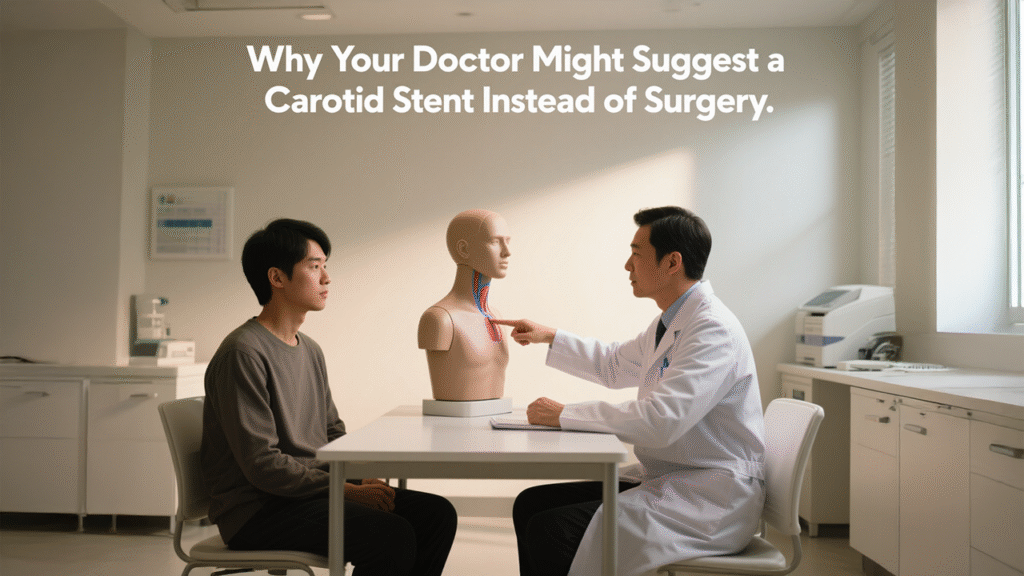
When it comes to preventing strokes caused by narrowed carotid arteries, doctors have two main options: traditional surgery, known as carotid endarterectomy, or a less invasive procedure called carotid stenting. The choice depends on the patient’s overall health, age, and the specific characteristics of the artery blockage. In this article, we will explore why your doctor might recommend a carotid stent, the benefits, risks, and the process, all while highlighting the expertise available at Northern Heart Hospital Penang.
Understanding Carotid Artery Disease
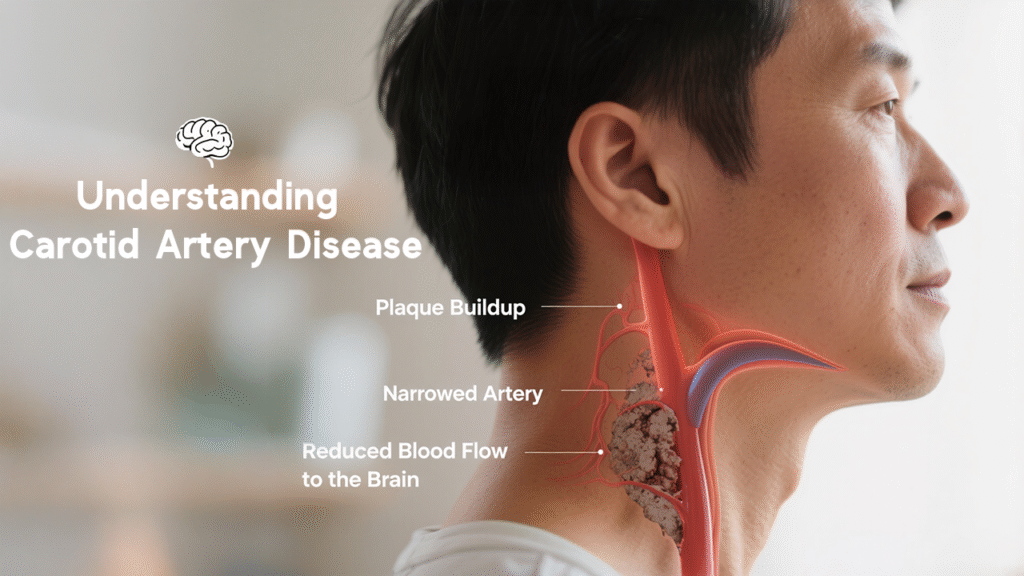
Carotid artery disease occurs when the main arteries that supply blood to the brain become narrowed due to plaque buildup. This narrowing can increase the risk of stroke, which is why timely intervention is critical.
What Are Carotid Arteries?
Carotid arteries are two large blood vessels located on either side of the neck. Their primary role is to transport oxygen-rich blood from the heart to the brain. There are two key branches:
- the internal carotid artery, supplying the brain
- the external carotid artery, supplying the face and neck
How Carotid Artery Disease Develops
Over time, cholesterol, fat, calcium, and other substances can accumulate in the artery walls, forming plaque. This process, called atherosclerosis, reduces the diameter of the artery and restricts blood flow. Plaque can also rupture, forming a clot that may travel to the brain, causing a stroke.
Symptoms and Warning Signs
Many people with carotid artery disease have no symptoms until a stroke or transient ischemic attack (TIA) occurs. Common warning signs include:
- Sudden numbness or weakness on one side of the body
- Trouble speaking
- Temporary vision loss
- Dizziness,
- Severe headaches
Recognising these symptoms early is crucial to preventing long-term brain damage.
Traditional Surgery vs. Carotid Stenting
Choosing between surgery and stenting depends on several factors, including the patient’s health, risk profile, and preferences.
| Carotid Endarterectomy: The Surgical Approach | How Carotid Stenting Differs | |
|---|---|---|
| Procedure | An open surgery where a surgeon removes plaque from the artery. | Minimally invasive. A small tube called a catheter is inserted into an artery in the groin or arm and guided to the neck. A stent, which is a tiny mesh tube, is placed in the narrowed section of the carotid artery to hold it open and restore blood flow. |
| Anaesthesia | Generally requires general anaesthesia. | Usually involves local anaesthesia and sedation, not full general anaesthesia. |
| Risks & Recovery | Highly effective but carries risks associated with major surgery, such as heart attack, infection, or nerve injury. | Reduces recovery time and risk. |
Who Is a Candidate for Carotid Stenting
Not every patient with carotid artery narrowing is suitable for stenting, but certain groups benefit more from it.
- High-Risk Patients for Surgery: Patients with significant heart disease, lung problems, or other medical conditions may not tolerate open surgery well. Stenting offers a safer alternative for these high-risk individuals.
- Patients with Symptomatic Narrowing: Patients who have experienced TIA or minor strokes often require urgent intervention. Carotid stenting can quickly restore blood flow and lower the risk of another stroke.
- Elderly and Medically Complex Patients: Older adults and patients with complex anatomy that makes surgical access difficult are often better candidates for stenting. The procedure’s minimally invasive nature reduces stress on the body and allows for faster recovery.
Benefits of Carotid Stenting Over Surgery
Carotid stenting offers several advantages, particularly for patients who are not ideal surgical candidates.
- Minimally Invasive Nature: Unlike open surgery, stenting requires only a small incision for catheter insertion. This reduces trauma, pain, and risk of infection while providing the same benefit of improved blood flow.
- Shorter Recovery Time: Patients typically stay in the hospital for one night and can return to normal activities within a week. Surgery, on the other hand, may require a longer hospital stay and extended recovery period.
- Reduced Risk of Complications in Certain Patients: For those with heart or lung problems, carotid stenting avoids the stress of general anesthesia, lowering the risk of serious complications.
The Carotid Stenting Procedure
Understanding the procedure can help patients feel more comfortable and prepared.
Pre-Procedure Assessments
Before stenting, doctors perform imaging studies like Doppler ultrasound, CT angiography, or MR angiography to map the artery. Blood tests, heart evaluations, and medications to prevent clotting are initiated to ensure a safe procedure.
Step-by-Step of the Procedure
- Local anesthesia and sedation are administered.
- A small incision is made in the groin or arm.
- A catheter is inserted and guided to the carotid artery.
- An embolic protection device may be deployed to catch dislodged plaque.
- The stent is expanded to hold the artery open.
- Blood flow is restored, and the catheter is removed.
Immediate Post-Procedure Care
Patients are monitored for neurological changes and bleeding at the catheter site. Blood pressure and heart function are closely observed. Most can go home the following day with instructions for activity restrictions and medications.
Risks and Precautions
While generally safe, carotid stenting carries some risks.
Possible Complications
These include minor stroke, bleeding, infection, or artery re-narrowing. Rarely, complications such as artery dissection or allergic reactions to contrast dye may occur.
How Risks Are Minimised
Using embolic protection devices, advanced imaging, and skilled Vascular surgeons ensures that risks are minimised. Pre-procedure planning and post-procedure monitoring are essential to safe outcomes.
Recovery and Long-Term Care
Carotid stenting is only one step in preventing future strokes.
- Follow-Up Appointments: Routine follow-up includes checkups and imaging studies to ensure the stent remains open and blood flow is maintained.
- Lifestyle Changes to Support Artery Health: Adopting a heart-healthy diet, exercising regularly, controlling blood pressure and cholesterol, and quitting smoking are crucial for long-term artery health.
Why Northern Heart Hospital Penang Is a Preferred Choice
- Expertise in Vascular surgeons: Northern Heart Hospital Penang offers highly experienced Vascular surgeonstrained in carotid stenting, ensuring precision and safety throughout the procedure.
- Advanced Technology and Patient Care: With state-of-the-art imaging and patient-centered care, the hospital provides comprehensive support from pre-procedure assessment to long-term follow-up, optimising outcomes and comfort.
Conclusion
Carotid stenting is a safe, effective, and minimally invasive option for patients with narrowed carotid arteries, particularly those at high risk for traditional surgery. By restoring blood flow to the brain, it reduces the risk of stroke and enhances overall brain health. Choosing an experienced hospital like Northern Heart Hospital ensures expert care, advanced technology, and a supportive recovery process.
Frequently Asked Questions
Patients are sedated and given local anesthesia, so discomfort is minimal.
Typically, the procedure lasts one to two hours, depending on complexity.
Most patients return to normal activities within a week, with follow-up appointments to monitor progress.
Re-narrowing is rare, and routine imaging helps detect and manage it early.
It significantly reduces the risk, but lifestyle management and medical care are essential for full prevention.
About Northern Heart Hospital Penang
Founded in 2018, it is the first and only purpose-built cardiac and vascular specialist hospital in Penang and northern Malaysia, led by highly reputable and experienced clinicians, providing comprehensive heart and vascular care under one roof in the heart of George Town.
- Clinical Expertise: Tailored post-operative nutrition and rehabilitation plans.
- Comprehensive Care: Access to leading cardiac and vascular specialists under one roof.
Schedule an appointment with our specialists today if you have concerns regarding your cardiovascular health.
Disclaimer: This content is for educational and informational purposes only and does not substitute for professional medical advice, diagnosis, or treatment. Always consult a qualified healthcare provider regarding a medical condition.