
Medically reviewed by Assoc. Prof. Dr. Edward Choke Tieng Chek, Consultant Vascular Surgeon
Authority: Northern Heart Hospital Penang
Published: 22 October 2025 | Last updated: 3 June 2026
At a Glance
- The Vascular Warning: While chilly fingers and toes are easily blamed on room temperature, consistent coldness in your extremities often signals an underlying issue with peripheral blood flow.
- The Cardiac Connection: Because your extremities sit at the farthest points of your circulatory network, a weakened heart pump or narrowed arterial walls will dry out these distant exits first.
- Compounding Risks: Conditions like Peripheral Artery Disease (PAD), high blood pressure, diabetes, and smoking directly accelerate blood vessel damage, severely impacting your daily functional capacity and energy.
- Clinical Action Plan: You can actively restore vascular health through structured exercise, heart-healthy nutrition, and early diagnostic screening, such as Doppler ultrasounds and ABI tests, before complications arise.
Have you ever noticed your fingers or toes turning icy cold even when everyone else around you seems comfortable? While it’s easy to brush it off as poor room temperature or a quirky body trait, consistently cold hands and feet can be a red flag.
These chilly extremities often point to poor circulation meaning your blood isn’t moving through your body the way it should. And since healthy circulation depends heavily on your heart, ignoring this sign could put you at risk of underlying heart problems.
This article dives deep into why cold extremities matter, what they say about your heart, and what steps you can take to protect yourself.
Understanding Circulation and Why It Matters
Circulation is your body’s built-in transportation system. Picture your arteries and veins as highways that carry oxygen, nutrients, and warmth from your heart to every corner of your body.
- Optimal Flow: When traffic runs smoothly, your hands and feet stay warm and pink.
- Restricted Flow: If there is a blockage, narrowing, or sluggish flow, your extremities often feel cold because they are at the farthest “exits” on the vascular network.
In other words, if your hands and feet are constantly chilly, it’s often your body’s way of warning you that something isn’t right with your blood flow.
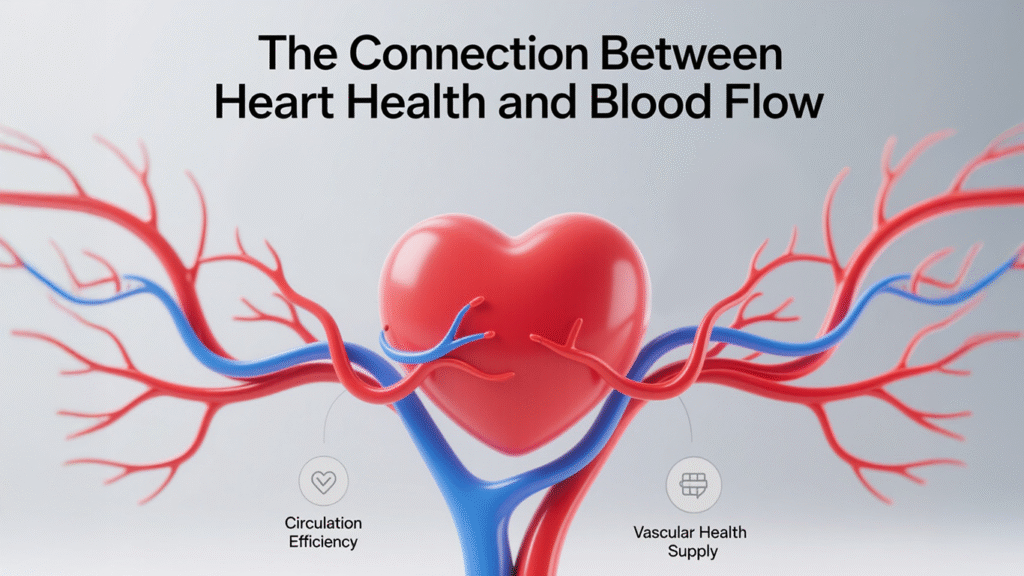
The Connection Between Heart Health and Blood Flow
Your heart is the pump that keeps your blood moving. If the pump weakens, clogs develop in the pipes (arteries), or pressure inside the system rises too high, circulation suffers. Poor circulation doesn’t just mean discomfort; it often points to deeper cardiovascular issues such as arterial blockages or weakened heart muscles.
Think of it like a garden hose: when water pressure is strong, the stream flows easily to the end. But if there’s a kink, debris inside, or the faucet isn’t turned on enough, the flow weakens and the far end dries out first. That’s exactly what happens in your hands and feet when your heart isn’t pushing blood effectively.
Why Cold Hands and Feet Shouldn’t Be Ignored
It’s tempting to dismiss cold extremities as harmless. But when it happens regularly, it signals reduced blood supply. Without enough blood, tissues are deprived of oxygen and nutrients.
Over time, this can cause:
- Tingling and numbness
- Notable skin changes
- Tissue ulcers (in severe cases, unmanaged cases)
Even worse, cold hands and feet are often the first noticeable clue of cardiovascular disease. By catching this symptom early, you may be able to prevent complications like stroke, heart attack, or long-term disability.
Red Flag Checklist: Symptoms Accompanying Cold Extremities
Cold extremities rarely appear completely in isolation. Doctors look for a cluster of accompanying signs. Review the checklist below:
- [ ] Tingling or numbness in the fingers toes
- [ ] Cramping in calves while walking (claudication)
- [ ] Weak or absent pulses in the feet
- [ ] Discolored skin (bluish or pale tones)
- [ ] Slow-healing cuts or sores on limbs
If you notice a combination of these signs, it’s time to talk to a doctor.
Common Causes of Poor Circulation
There isn’t just one culprit behind cold hands and feet multiple health issues can interfere with blood flow.
Peripheral Artery Disease (PAD)
PAD is one of the most common causes. Fatty deposits build up in your arteries, narrowing the passageways for blood. This limits flow to your legs, feet, and sometimes your arms, leaving them feeling cold, numb, or weak.
Diabetes and Its Impact on Blood Flow
High blood sugar damages blood vessels over time, making them stiffer and narrower. Many people with diabetes notice poor circulation in their feet, which also increases their risk of infections and slow-healing wounds.
High Blood Pressure and Narrowed Arteries
Constant high pressure forces arteries to harden and thicken, restricting flow. When this happens, your extremities are the first areas to suffer.
Smoking and Vascular Damage
Cigarette smoke is toxic to blood vessels, causing them to constrict and stiffen. Long-term smokers often notice cold hands and feet because their vessels are no longer flexible enough to deliver proper circulation.
How Decreased Blood Flow Affects Daily Life
Poor circulation doesn’t just show up in medical tests it affects how you live day to day:
- Chronic Fatigue: People often struggle with fatigue because their muscles aren’t getting enough oxygen.
- Reduced Fine Motor Skills: Cold fingers make simple tasks like typing or writing uncomfortable.
- Activity Limits: Foot pain or cramping can limit exercise, making it harder to stay active. This creates a cycle where inactivity worsens heart health, leading to even poorer circulation.
When Cold Extremities Point to Heart Disease
Cold hands and feet can be an early warning of heart disease. Blocked arteries, heart failure, or arrhythmias can all restrict blood flow. In fact, many patients at Northern Heart Hospital Penang report cold extremities before being diagnosed with underlying heart issues. Paying attention to this subtle symptom could literally save your life.
Risk Factors That Make Circulation Problems Worse
Compounding Risk Factors
Certain habits and health profiles amplify vascular damage and reduce heart efficiency, including:
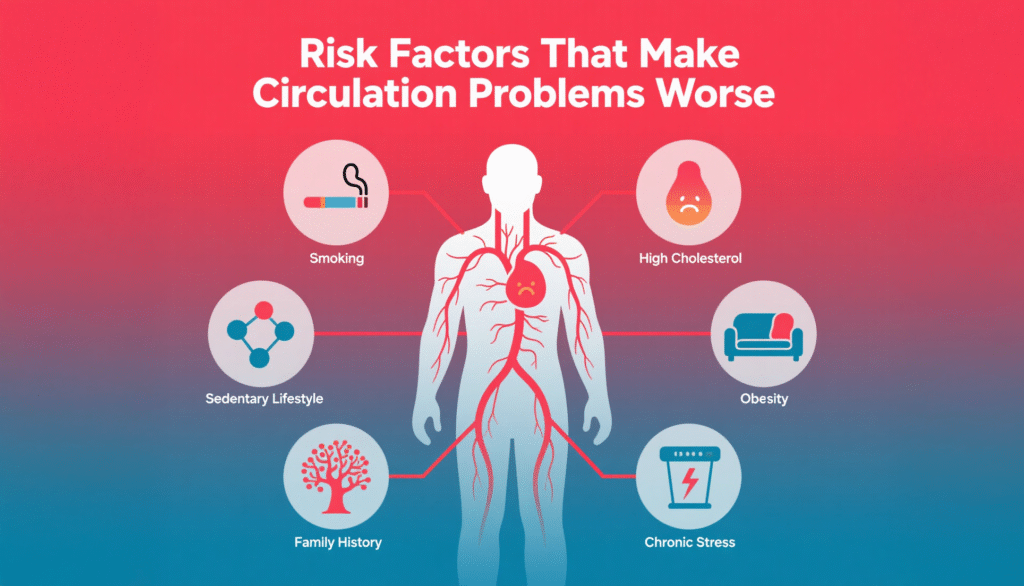
- Smoking and tobacco use
- High cholesterol
- A sedentary lifestyle or prolonged sitting
- Obesity
- A direct family history of heart disease
- Chronic stress
How Doctors Diagnose Circulation Issues
When you report cold hands and feet, doctors don’t just hand you gloves. They look deeper. Tests may include:
| Diagnostic Test | What It Evaluates | Clinical Purpose |
|---|---|---|
| Ankle-brachial Index (ABI) | Compares blood pressure in your ankle vs. your arm. | Rapidly checks for limb arterial blockages. |
| Doppler Ultrasound | Uses high-frequency sound waves. | Measures the actual speed and flow of blood through vessels. |
| Blood Tests | Measures lipids, HbA1c, and metabolic markers. | Identifies underlying cholesterol, blood sugar, or clotting issues. |
| Angiography (CT / MRI) | Advanced structural imaging scans. | Directly spots precise locations of narrowed or blocked arteries. |
These evaluations reveal whether cold extremities are just a minor inconvenience or a sign of serious heart trouble.
Lifestyle Habits That Can Improve Circulation
The good news? Small changes can make a huge difference.
- Regular Exercise and Movement: Walking, cycling, or swimming encourages blood flow and keeps vessels flexible. Even standing up every hour during long workdays can improve circulation.
- Balanced Diet and Heart-Healthy Foods: Eating more leafy greens, fatty fish, nuts, and berries strengthens blood vessels and lowers cholesterol. Cutting back on processed foods and salt also reduces artery strain.
- Stress Management and Its Role in Circulation: Chronic stress releases hormones that tighten blood vessels. Relaxation practices like deep breathing, meditation, or yoga can improve both circulation and heart rhythm.
Medical Treatments for Poor Circulation
For more severe cases, lifestyle changes may not be enough. Doctors may recommend:
- Prescribed Blood-thinning medications
- Targeted drugs to regulate blood pressure or manage high cholesterol.
- Angioplasty: A minimally invasive procedure designed to mechanically open blocked arteries.
- Bypass Surgery: Surgical routing for severe, advanced arterial disease.
The right treatment depends on the underlying cause, but early intervention usually prevents complications.
How Northern Heart Hospital Helps Patients With Circulation Problems
At Northern Heart Hospital Penang, specialists take circulation issues seriously. Their team uses advanced diagnostic tools to uncover the root cause of cold hands and feet.
Treatment plans often combine medical therapy, minimally invasive procedures, and personalised lifestyle guidance. Patients are not just treated for symptoms but supported in building long-term heart health strategies.
Conclusion
Cold hands and feet may seem harmless, but they’re often your body’s way of waving a red flag. Poor circulation can signal serious heart issues, from blocked arteries to heart failure.
By noticing this symptom and taking action whether through lifestyle changes, medical treatments, or professional evaluation at places like Northern Heart Hospital Penang you can protect your heart and improve your overall health. Remember: warm hands and feet usually mean a heart that’s pumping strong.
Frequently Asked Questions
Yes, stress releases adrenaline, which narrows blood vessels and temporarily reduces blood flow to your extremities.
If your feet stay cold even in warm environments and are accompanied by numbness or color changes, it’s likely circulation-related.
In many cases, yes. Lifestyle changes and treatments can restore healthy blood flow and reduce symptoms.
Absolutely. While more common in older adults, young people who smoke, are sedentary, or have diabetes can also develop circulation issues.
If your cold hands and feet are persistent, painful, or accompanied by other symptoms like numbness or skin changes, schedule an appointment promptly.
About Northern Heart Hospital Penang
Founded in 2018, it is the first and only purpose-built cardiac and vascular specialist hospital in Penang and northern Malaysia, led by highly reputable and experienced clinicians, providing comprehensive heart and vascular care under one roof in the heart of George Town.
- Clinical Expertise: Tailored post-operative nutrition and rehabilitation plans.
- Comprehensive Care: Access to leading cardiac and vascular specialists under one roof.
Schedule an appointment with our specialists today if you have concerns regarding your cardiovascular health.
Disclaimer: This content is for educational and informational purposes only and does not substitute for professional medical advice, diagnosis, or treatment. Always consult a qualified healthcare provider regarding a medical condition.