
Medically reviewed by Dr. Tuan Jiun Haur, Consultant Cardiologist & Electrophysiologist
Authority: Northern Heart Hospital Penang
Published: 19 April 2026 | Last Updated: 10 June 2026
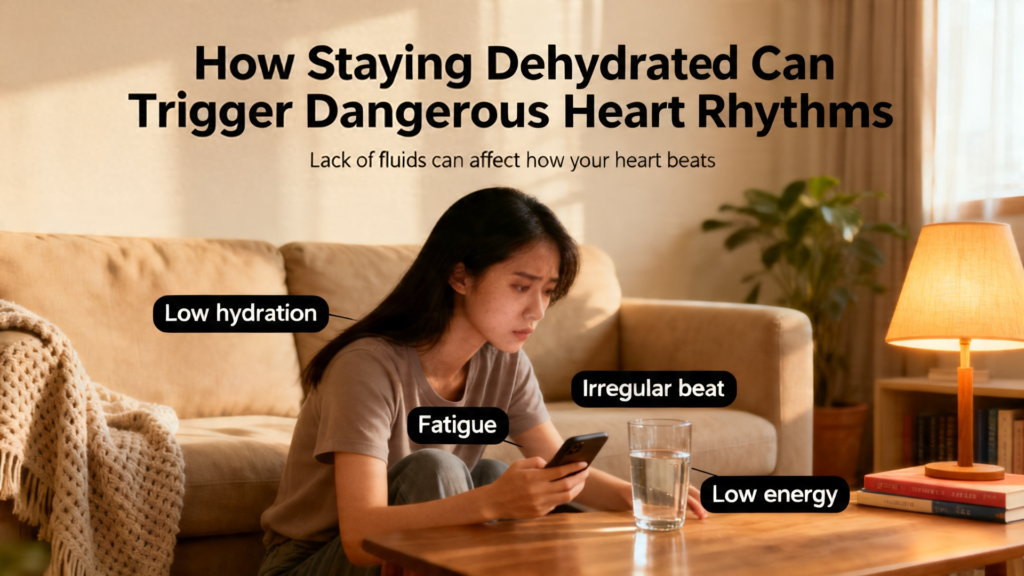
At a Glance: Dehydration and Heart Rhythms
- The Electrical Link: Every single heartbeat relies on an intricate electrical system fueled by fluid balance and vital electrolytes (sodium, potassium, and magnesium).
- Cardiac Strain: Chronic or severe dehydration thickens the blood and causes fluid volume to drop. This forces the heart to work significantly harder, disrupting its natural rhythm.
- Arrhythmia Trigger: A lack of water causes electrolyte imbalances that directly tip the heart into irregular patterns, potentially triggering dangerous conditions like Atrial Fibrillation (AFib).
- Prevention & Action: Recognising early physical cues, like a racing heart, sudden anxiety, or dark urine, and paced rehydration are vital for early intervention and protecting long-term heart function.
We often think of dehydration as nothing more than feeling thirsty, dizzy, or tired. But did you know that staying dehydrated can affect the way your heart beats?
When your body doesn’t have enough water, it disrupts the delicate balance of electrolytes and blood volume, which are essential for keeping your heart’s rhythm steady. Ignoring hydration isn’t just uncomfortable it can trigger irregular heart rhythms, also known as arrhythmias, which in severe cases can be life-threatening.
Let’s explore how a simple lack of water can set off dangerous changes in your heart and what you can do to prevent it.
Understanding the Link Between Dehydration and the Heart
Your heart is more than just a pump; it’s a sophisticated electrical system. Every single heartbeat is triggered by electrical signals that rely entirely on stable electrolyte and fluid balances.
When you become dehydrated, several physiological shifts happen simultaneously:
- Blood Thickening: Your blood volume decreases and thickens.
- Circulatory Strain: Circulation slows down, forcing the heart to pump harder.
- Electrolyte Fluctuations: Key mineral levels fluctuate, disrupting electrical conductivity.
This makes it exceptionally difficult for your heart to maintain a stable rhythm. Imagine trying to run a machine with low oil levels, it may work for a short while, but eventually, the system overheats and malfunctions. That is exactly how dehydration stresses your heart.
Why Proper Hydration Matters for Heart Function

Water plays a role in every aspect of heart health. It helps maintain blood volume, regulates body temperature, and transports oxygen and nutrients. More importantly, hydration keeps electrolytes balanced.
The Key Electrolytes: “The Big Three”
Without adequate fluid intake, your body struggles to keep sodium, potassium, and magnesium within normal ranges. Since these minerals guide the electrical impulses of your heart, even a slight imbalance can lead to irregular rhythms, palpitations, or skipped beats.
- Sodium: Controls fluid balance and helps generate foundational electrical activity.
- Potassium: Vital for resetting the heart muscle after each individual contraction.
- Magnesium: Helps stabilise heart rhythms and actively prevents dangerous irregularities.
Clinical Insight: Patients who arrive at the emergency room with acute arrhythmias are frequently given intravenous (IV) fluids first, because rapid rehydration itself can stabilise the heart rhythm.
How Imbalances Trigger Arrhythmias
- Low Potassium (Hypokalemia): Can directly cause noticeable palpitations or skipped beats.
- Low Magnesium: Significantly increases the clinical risk of Atrial Fibrillation (AFib).
- Concentrated Sodium: Dehydration-related concentration changes can raise blood pressure, placing further strain on the heart muscle.
Together, these metabolic shifts create the perfect storm for cardiac arrhythmias.
Identifying the Warning Signs
Dehydration does not always announce itself with extreme thirst. It is crucial to recognise both general physical symptoms and subtle cardiovascular clues.
Quick-Reference Symptom Guide
| System | Symptoms & Warning Signs |
|---|---|
| General Physical Signs | – Dark-coloured urine – Dizziness or lightheadedness – Persistent headaches – Dry skin and tongue – Intense muscle cramps |
| Circulatory & Heart Clues | – Sudden, unexplained anxiety – A racing heart rate (Tachycardia) – Sensation of skipped beats or fluttering |
Take Note: People frequently mistake these sudden cardiovascular sensations for panic attacks when, in reality, their body is simply running dangerously low on water.
Dehydration as a Catalyst for Atrial Fibrillation (AFib)
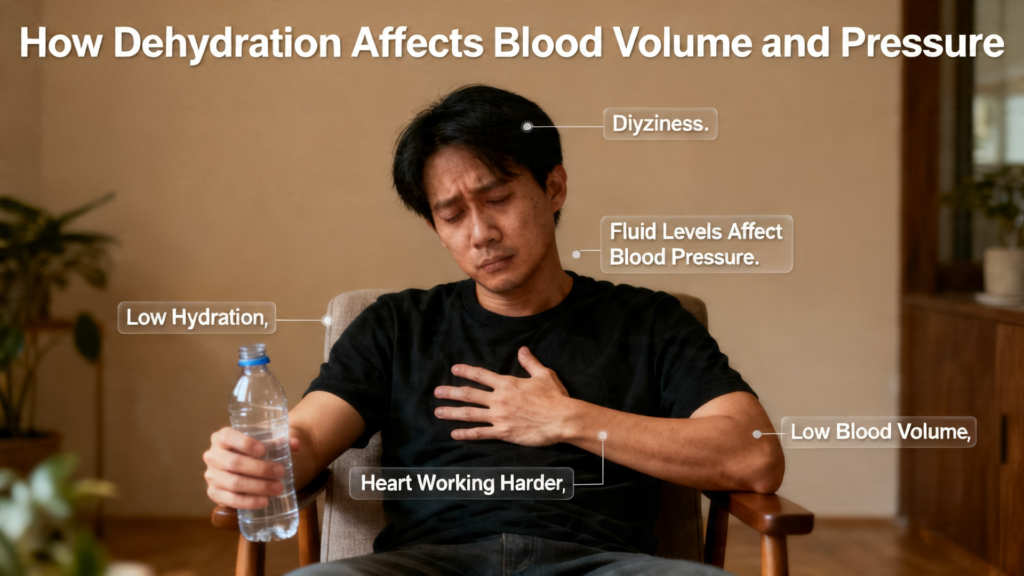
Your blood is made up largely of water. Without enough hydration, your overall blood volume drops, forcing your heart to work significantly harder to circulate oxygen. This added strain can drop your blood pressure too low or, paradoxically, cause sudden spikes that confuse your heart’s electrical signals. A sudden change in blood pressure is often the exact trigger that tips the body into an arrhythmia.
Dehydration is a well-documented clinical risk factor for Atrial Fibrillation (AFib), one of the most common arrhythmias. In AFib, the heart’s upper chambers quiver rapidly instead of contracting properly, which can cause blood to pool, leading to clots and an increased risk of stroke.
Other arrhythmias, such as ventricular tachycardia or premature ventricular contractions (PVCs), can also flare up when dehydration and electrolyte imbalance combine. For instance, athletes training in hot weather who fail to hydrate frequently report palpitations, a direct sign their heart is struggling to maintain its rhythm under physical stress.
The Compounding Effect of Stress
Psychological or physical stress triggers the release of adrenaline, which naturally increases heart rate. Pair that with dehydration, and the heart is forced to work overtime with severely depleted resources. This explains why individuals under high stress who forget to drink water experience a higher frequency of palpitations and skipped beats.
Who is Most Vulnerable?
While dehydration affects everyone, certain groups face a significantly higher risk of experiencing dehydration-induced heart issues:
- Older Adults: As people age, the body’s natural thirst response naturally diminishes. Many seniors simply do not feel thirsty, leading to chronic, silent dehydration that constantly stresses the heart.
- Athletes: Excessive fluid and electrolyte loss occurs through sweat during intense exercise. Failing to replenish both water and essential salts risks triggering sudden arrhythmias during or after workouts.
- Patients with Pre-existing Heart or Kidney Disease: Those with chronic conditions are particularly vulnerable because their organs are already working harder to maintain homeostatic balance. Dehydration can tip them into dangerous medical territory much faster than healthy individuals.
Modern Lifestyle Hazards
Modern everyday habits quietly compound these risks. Relying solely on coffee, working long hours in heavily air-conditioned offices, eating high-salt diets, and consuming alcohol all act as diuretics, pulling vital water out of your system.
Actionable Prevention & Treatment Strategies
Serviceable Hydration Habits
To protect your heart, dynamic and consistent daily habits are required rather than occasionally chugging water:
- Pace Your Intake: Aim to drink small amounts of water regularly throughout the day instead of gulping down large quantities all at once.
- Monitor and Adjust: Increase your fluid intake based on your daily activity levels, the local climate, and your personal health needs.
- Eat Your Hydration: Incorporate water-rich foods like cucumbers, watermelon, and oranges into your meals.
- Support Your Electrolytes: Consume foods naturally high in potassium and magnesium, such as bananas, spinach, and nuts, to help stabilise your heart’s electrical pathways.
How Clinical Specialists Intervene
When a patient presents at a hospital with an arrhythmia, medical teams immediately check hydration and electrolyte levels. Clinical interventions typically involve:
- Diagnostic Testing (Immediate Access)
Urgent blood tests are conducted to evaluate precise electrolyte concentrations and fluid balance. - Intravenous (IV) Resuscitation (Restoring Volume)
Administering targeted IV fluids and specific electrolyte replacements to rapidly stabilise the heart’s electrical environment. - Medical Management (Rhythm Control)
Utilising specialised medications to regulate the heart rate and ensure continuous cardiac monitoring. - Advanced Intervention (Severe Cases Only)
If fluid restoration fails, procedures such as electrical cardioversion may be deployed to manually restore a normal, healthy heart rhythm.
Expert Care at Northern Heart Hospital
At Northern Heart Hospital Penang, our cardiologists place immense emphasis on preventive health, educating patients on how something as simple as daily hydration can dramatically reduce arrhythmia risks.
Equipped with advanced cardiac diagnostic tools and led by expert heart specialists like Dr. Tuan Jiun Haur, our team addresses not just immediate rhythm emergencies, but also the underlying lifestyle and environmental factors. Our comprehensive approach combines state-of-the-art medical treatment with proactive patient education to safeguard your long-term cardiovascular health.
Conclusion
Dehydration is not just about feeling thirsty, it is a direct physiological strain on your cardiovascular system. When your body lacks fluids, your blood thickens, your electrolytes shift out of balance, and your heart is forced to struggle to maintain its natural rhythm.
By prioritizing hydration through structured daily habits, eating electrolyte-rich foods, and staying vigilant against early warning signs, you can keep your heart beating strong and steady. Your heart is an engine that never rests; ensure you keep it properly fueled with water.
Frequently Asked Questions
Yes, dehydration can trigger AFib by disrupting electrolytes and blood volume, though it often combines with other risk factors.
Most adults need about 2–3 liters daily, but exact needs vary with activity, climate, and medical conditions.
In small amounts, yes. But excess caffeine has a diuretic effect, which may worsen dehydration.
Replenish both fluids and electrolytes, especially during long or intense workouts in hot conditions.
Doctors often use IV fluids and electrolyte replacement alongside monitoring and, if necessary, medications to restore normal rhythm.
About Northern Heart Hospital Penang
Founded in 2018, it is the first and only purpose-built cardiac and vascular specialist hospital in Penang and northern Malaysia, led by highly reputable and experienced clinicians, providing comprehensive heart and vascular care under one roof in the heart of George Town.
Schedule an appointment with our specialists if you have concerns regarding your cardiovascular health.
Disclaimer: This content is for educational and informational purposes only and does not substitute for professional medical advice, diagnosis, or treatment. Always consult a qualified healthcare provider regarding a medical condition.