
Medically reviewed by Dr. Tan Chiang Soo, Consultant Cardiologist
Authority: Northern Heart Hospital Penang
Published: 12 April 2026 | Last Updated: 22 May 2026
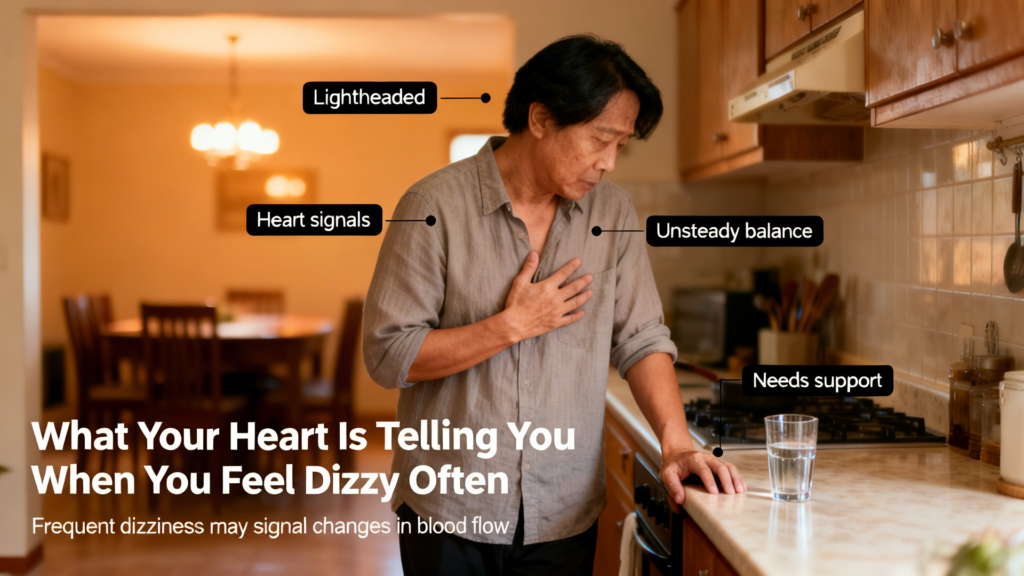
At a Glance: Heart Health and Dizziness
- Systemic Link: Dizziness is frequently a symptom of reduced blood flow to the brain, a condition known as cerebral hypoperfusion.
- Cardiac Warning: Recurring dizzy spells can signal underlying heart issues such as arrhythmia, valve dysfunction, or blood pressure instability.
- The Brain-Heart Connection: Because the brain requires a constant supply of oxygen-rich blood from the heart, any interruption to circulation immediately affects balance and clarity.
- Prevention: Recognising dizziness as a cardiovascular signal, rather than just fatigue, is critical for early intervention and preventing long-term heart complications.
Why Does My Heart Cause Dizziness?
The connection between your heart and balance is simple: Circulation. Your brain consumes 20% of your body’s oxygen but cannot store it. It relies on a “just-in-time” delivery system powered by your heart. When the heart’s rhythm or pressure falters, the brain is the first to react with lightheadedness, blurred vision, or a “spinning” sensation.
Think of your heart as a power station and your brain as a lamp. If the power station flickers (irregular heartbeat) or the voltage drops (low blood pressure), the light flickers. Dizziness is your brain’s “flicker” warning.
4 Common Heart Conditions Linked to Dizziness
Heart-related dizziness typically occurs when structural or electrical issues in the heart interrupt steady systemic circulation. The table below outlines the four primary heart conditions that disrupt oxygen delivery to the brain and trigger frequent lightheadedness.
| Condition | How it Causes Dizziness | Common Trigger |
|---|---|---|
| Arrhythmia | Irregular heartbeats interrupt the smooth flow of blood to the brain. | Sudden onset, even while resting. |
| Orthostatic Hypotension | A sudden drop in blood pressure when changing positions. | Standing up too quickly from a bed or chair. |
| Heart Valve Disease | Narrowed valves (stenosis) restrict the volume of blood leaving the heart. | Dizziness during physical exertion or exercise. |
| Hypertension | High blood pressure stiffens arteries, reducing overall circulation efficiency. | Moments of high stress or heavy salt intake. |
When is Dizziness a “Heart Red Flag”?
While not all dizziness is cardiac-related, the following Red Flag symptoms suggest the heart is the primary cause. If you experience these, seek a cardiovascular evaluation:
- Dizziness + Palpitations: Feeling like your heart is skipping beats or racing.
- Dizziness + Dyspnea: Shortness of breath while performing simple tasks.
- Dizziness + Syncope: Actual fainting or “blacking out” for a few seconds.
- Dizziness + Edema: Swelling in the ankles or legs (often a sign of heart failure).
Consult our cardiologists today at Northern Heart Hospital Penang for a comprehensive heart screening.
External Factors: Dehydration and Stress
It isn’t always an underlying disease; sometimes it’s the “fuel” or the “environment.”
- Thicker Blood: Dehydration makes blood more viscous (thicker). A dehydrated heart must work twice as hard to push blood to the brain, often leading to lightheadedness in heat or after exercise.
- Adrenaline Overload: Chronic stress keeps the heart in a “fight or flight” state. Constant fluctuations in heart rate can destabilise blood pressure, causing a lingering sense of unsteadiness.
How to Reduce Heart-Related Dizziness
- Move Mindfully: When rising from a seated position, do so slowly to give your heart time to adjust the pressure.
- Hydrate Strategically: Aim for consistent water intake to maintain blood volume.
- Track Your Triggers: Note if your dizziness happens after meals, during exercise, or during stress.
- Professional Screening: Visit specialists at Northern Heart Hospital Penang for an ECG or echocardiogram to rule out structural heart issues.
Frequently Asked Questions
While mild fatigue is normal, severe dizziness after exercise is a sign that the heart cannot keep up with the body’s oxygen demands. This may indicate heart valve issues or exercise-induced arrhythmia.
Yes. Although often “silent,” high blood pressure can cause dizzy spells by damaging the arteries that supply the brain or as a side effect of certain blood pressure medications.
Specialists use advanced diagnostic tools to look beyond the “feeling” of dizziness. By checking heart rhythms (ECG) and physical structures (Echocardiogram), they can identify if the root cause is cardiovascular or related to other systems like the inner ear.
About Northern Heart Hospital Penang
Founded in 2018, it is the first and only purpose-built cardiac and vascular specialist hospital in Penang and northern Malaysia, led by highly reputable and experienced clinicians, providing comprehensive heart and vascular care under one roof in the heart of George Town.
Schedule an appointment with our specialists if you have concerns regarding your cardiovascular health.
Disclaimer: This content is for educational and informational purposes only and does not substitute for professional medical advice, diagnosis, or treatment. Always consult a qualified healthcare provider regarding a medical condition.