
Medically reviewed by Dr. Mugilan Sundarajoo, Consultant Cardiologist
Authority: Northern Heart Hospital Penang
Published: 30 March 2026 | Last updated: 24 June 2026
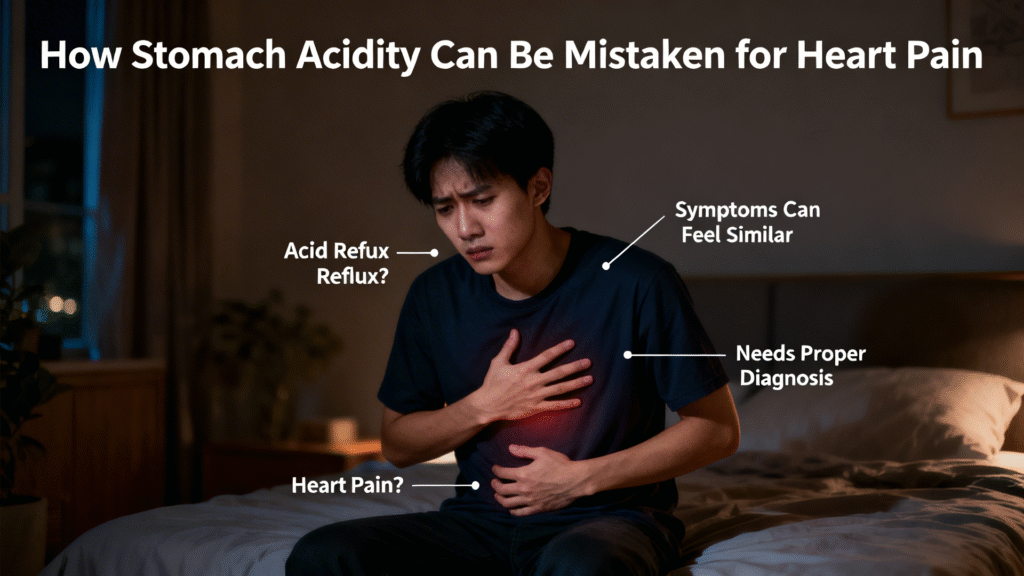
At a Glance
- The Overlap: Stomach acidity and heart pain share nerve pathways, causing the brain to easily confuse the two sensations.
- Key Differences: Heartburn typically causes a burning feeling after meals, while true heart pain presents as pressure or tightness that worsens with exertion.
- The Golden Rule: Atypical symptoms exist; severe, crushing, or radiating chest pain must always be treated as a medical emergency.
Chest pain is one of the scariest symptoms a person can experience. The moment it strikes, your mind races: Is this heartburn, or am I having a heart attack?
The confusion is understandable because stomach acidity and heart pain often mimic each other. Even seasoned doctors sometimes need advanced tests to tell the difference. Unfortunately, misinterpreting chest pain can delay life-saving treatment or cause unnecessary panic.
Let’s dive into why this overlap happens, what to watch for, and how to protect both your stomach and your heart.
Understanding Why Chest Pain Is So Confusing
Imagine your chest as a busy neighborhood. Your heart, esophagus, and stomach all sit close together, sharing the same nerve pathways. When one organ flares up, your brain may “mislabel” the pain signal, making heartburn feel like heart trouble.
This overlap is why so many people end up in the emergency room with chest pain that turns out to be digestive in origin or worse, dismiss heart attack symptoms as simple indigestion.
What Is Stomach Acidity?
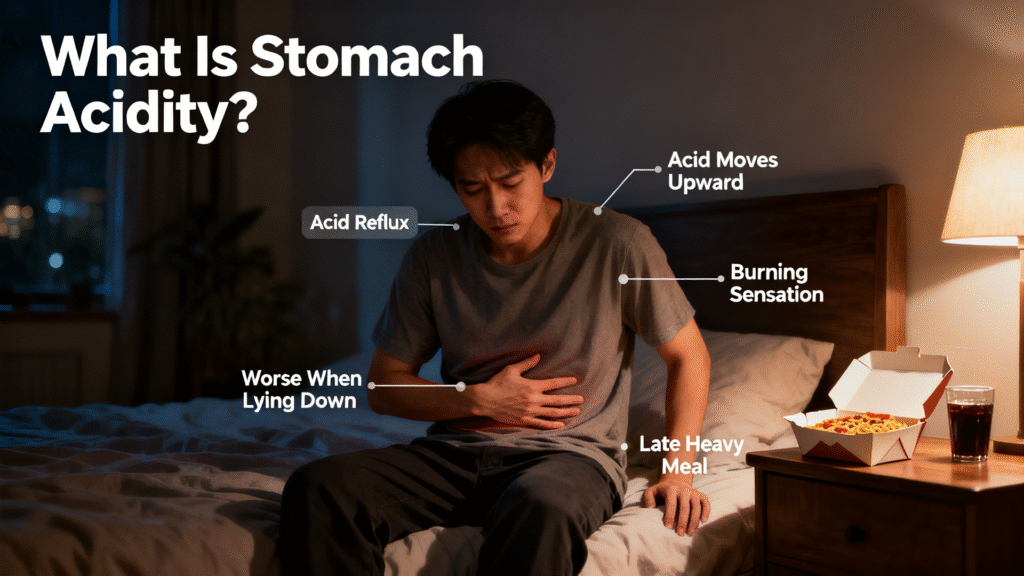
Stomach acidity, often referred to as acid reflux or heartburn, happens when stomach acid escapes into the esophagus. The esophagus isn’t built to handle acid, so it burns, causing a sharp or burning pain in the chest.
- Common Causes of Acid Reflux and Heartburn: Some common culprits include overeating, spicy or fatty meals, lying down soon after eating, obesity, pregnancy, and chronic conditions like GERD (gastroesophageal reflux disease). A late-night plate of fried noodles or pizza may taste great, but it can easily trigger painful acidity that masquerades as heart pain.
What Is Heart Pain?
Heart pain, also called angina, occurs when the heart muscle doesn’t get enough oxygen-rich blood. If blood flow is completely blocked, it results in a heart attack a medical emergency.
- Angina vs. Heart Attack: Angina is usually predictable and happens with exertion, like climbing stairs. It eases with rest. A heart attack, however, often comes suddenly and doesn’t improve with rest or medication. Both can cause crushing or burning chest pain, radiating discomfort, and shortness of breath, which is why they can be mistaken for heartburn.
Why Acid Reflux Feels Like Heart Pain
Here’s the tricky part: both acid reflux and heart conditions can create similar sensations in the chest.
The vagus nerve connects your esophagus, heart, and stomach. When acid irritates the esophagus, your brain interprets the pain in the same area where heart pain is felt. That’s why you might clutch your chest and wonder, “Is this indigestion, or is my heart in danger?”
Key Differences Between Heartburn and Heart Pain
While they feel alike, subtle clues help tell them apart.
| Characteristic | Stomach Acidity (Heartburn) | Heart Pain (Angina / Heart Attack) |
|---|---|---|
| Sensation | Burning sensation behind the breastbone. | Pressure, tightness, or squeezing pain. |
| Triggers | Often occurs after large meals or when lying down. | Often brought on or worsened by physical exertion. |
| Radiation | Stays localised to the chest/ oesophagus area. | Can radiate to the jaw, arm, or back. |
| Relief | Usually relieved with antacids. | Not relieved by antacids; angina eases with rest. |
Important Note: Sometimes heart pain presents atypically, especially in women and older adults, making it even harder to distinguish.
These signs should never be ignored. If you notice more than one, it’s time to take action or consult a cardiologist at Northern Heart Hospital Penang.
Red Flag Symptoms You Should Never Ignore
If you experience chest pain along with sweating, nausea, shortness of breath, or pain spreading to the arms or jaw, treat it as a heart emergency. Don’t wait to see if antacids help call emergency services immediately.
Advanced Factors and Medical Evaluation
How Oesophageal Spasms Add to the Confusion
Oesophageal spasms are sudden, painful contractions of the oesophagus that mimic angina. People often describe them as crushing chest pain, which can be indistinguishable from heart pain without medical evaluation.
Real-Life Cases of Mistaken Symptoms
Doctors often share stories of patients who believed they had severe indigestion but were actually experiencing heart attacks. Conversely, many people rush to the ER fearing a heart attack when the culprit is reflux. This overlap shows why medical evaluation is essential anytime chest pain is severe or unusual.
Diagnostic Tests Doctors Use to Differentiate
When you visit a hospital like Northern Heart Hospital Penang, doctors may order:
- ECG/EKG to check for heart rhythm abnormalities.
- Troponin blood tests to look for heart muscle damage.
- Endoscopy or pH tests to assess reflux severity.
These tests are often the only reliable way to determine whether chest pain comes from the heart or the stomach.
Proactive Management and Prevention
Risk Factors That Make Heart Pain More Likely
If you’re over 40, smoke, have diabetes, high cholesterol, or high blood pressure, your risk of true heart pain is higher. For such individuals, any chest pain should be considered heart-related until proven otherwise.
When It’s Just Indigestion and When It’s Not
If your pain only occurs after large meals, improves with antacids, and doesn’t radiate beyond your chest, it’s more likely indigestion. However, if the pain appears with exertion, lingers beyond 15 minutes, or is associated with other symptoms, it may be your heart.
Lifestyle Habits That Worsen Both Conditions
Smoking, excessive alcohol, late-night meals, obesity, and high-stress lifestyles worsen both acid reflux and heart disease. In other words, the same unhealthy habits can damage both your stomach and your heart simultaneously.
How to Manage Stomach Acidity Safely
For Stomach Acidity:
- Eat smaller, more frequent meals.
- Avoid known trigger foods like coffee, alcohol, and fried foods.
- Stay upright for at least two hours after meals.
- Maintain a healthy weight.
Note: Chronic acidity should never be ignored, as untreated GERD can damage the oesophagus over time.
For Heart Health:
- Exercise regularly under medical guidance.
- Eat a balanced diet rich in vegetables and whole grains.
- Schedule regular cardiovascular check-ups at dedicated facilities like Northern Heart Hospital Penang. Preventive care is always better than emergency care.
Conclusion
Stomach acidity and heart pain share confusingly similar symptoms. While acid reflux is often harmless, heart pain can be life-threatening. Because the overlap is so strong, no one should assume chest pain is “just heartburn.”
Cardiologists and gastroenterologists frequently work hand in hand to differentiate these causes. At Northern Heart Hospital Penang, comprehensive diagnostic care ensures patients get answers quickly and treatment tailored to their condition. If in doubt, always get evaluated by a medical professional.
Frequently Asked Questions
No. If chest pain improves only with antacids, it’s likely acid reflux. True heart pain won’t be relieved by these medications.
Women may experience nausea, indigestion, fatigue, or jaw pain instead of classic chest pain, making misdiagnosis more likely.
Yes. Stress increases stomach acid production and also raises blood pressure, making it a risk factor for both.
No. Even mild or unusual chest discomfort should be assessed, especially if you have heart disease risk factors.
If it lasts more than 15 minutes, occurs with activity, or spreads to other areas, treat it as a heart emergency.
About Northern Heart Hospital Penang
Founded in 2018, it is the first and only purpose-built cardiac and vascular specialist hospital in Penang and northern Malaysia, led by highly reputable and experienced clinicians, providing comprehensive heart and vascular care under one roof in the heart of George Town.
- Clinical Expertise: Tailored post-operative nutrition and rehabilitation plans.
- Comprehensive Care: Access to leading cardiac and vascular specialists under one roof.
Schedule an appointment with our specialists today if you have concerns regarding your cardiovascular health.
Disclaimer: This content is for educational and informational purposes only and does not substitute for professional medical advice, diagnosis, or treatment. Always consult a qualified healthcare provider regarding a medical condition.