
Medically reviewed by Dr. Tuan Jiun Haur, Consultant Cardiologist and Electrophysiologist
Authority: Northern Heart Hospital Penang
Published: 13 April 2026 | Last updated: 15 June 2026
At a Glance
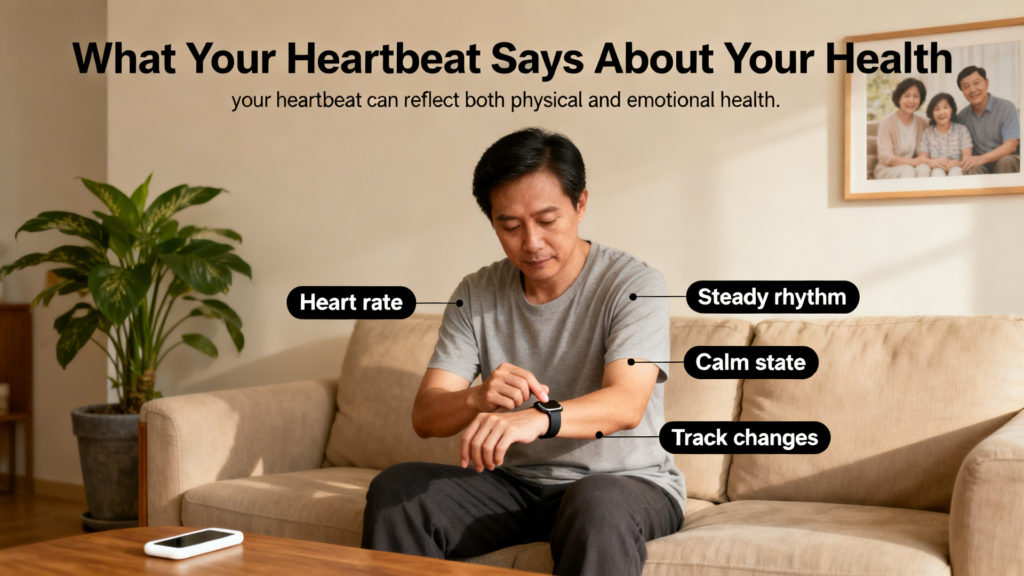
- The Baseline: A normal resting heart rate for most adults sits between 60–100 bpm, though conditioned athletes can safely rest at 40–60 bpm.
- The Indicators: Tracking your resting heart rate and recovery time provides a direct, real-time window into your cardiovascular health.
- The Variations: Heart rhythms naturally fluctuate due to stress, sleep, and activity, but persistent irregularities (arrhythmias) like Atrial Fibrillation require expert investigation.
- When to Act: Sudden heart rate spikes, palpitations accompanied by dizziness, chest pain, or shortness of breath are clear signals to seek immediate professional care.
Ever felt your heart race when you’re nervous? Or slow down when you’re sleeping? That simple thump-thump inside your chest says more than you think. Your heartbeat isn’t just about rhythm, it can tell you stories about your overall health, emotional state, and even warn you of silent problems. In this guide, we’ll decode what your heart is trying to tell you, and how to listen closely.
Understanding Your Heartbeat
Your heartbeat is the rhythmic contraction of your heart muscles, pushing blood throughout your body. It is not just a mechanical motion, it is a direct reflection of your heart’s electrical system, oxygen demand, and even emotional status.
What Is a Normal Heartbeat?
A typical resting heart rate for adults ranges from 60 to 100 beats per minute (bpm). However, well-trained athletes might clock in at just 40 to 60 bpm due to more efficient heart function. Heart rate can vary depending on age, activity level, fitness, and emotional health.
How Is Heart Rate Measured?
To make this data highly serviceable for your tracking, follow this clinical measuring protocol:
- Rest and Prepare
Duration: 5 minutes
Sit quietly for five minutes before measuring. Avoid caffeine, nicotine, or vigorous exercise for at least 30 minutes prior to taking a reading. - Locate the Pulse
Positioning
Place your index and middle fingers lightly on your wrist (radial artery) just below the base of the thumb, or on the side of your neck (carotid artery). Do not use your thumb, as it has its own pulse. - Count the Beats
Timing Options
Count the beats for a full 60 seconds for the most accurate baseline. Alternatively, count for 30 seconds and multiply by two. - Log the Trends
Digital Tracking
Record your results or cross-verify them with digital tools like smartwatches, fitness trackers, or clinical ECGs to track patterns over time.
Clinical Classifications: Types of Heart Rhythms
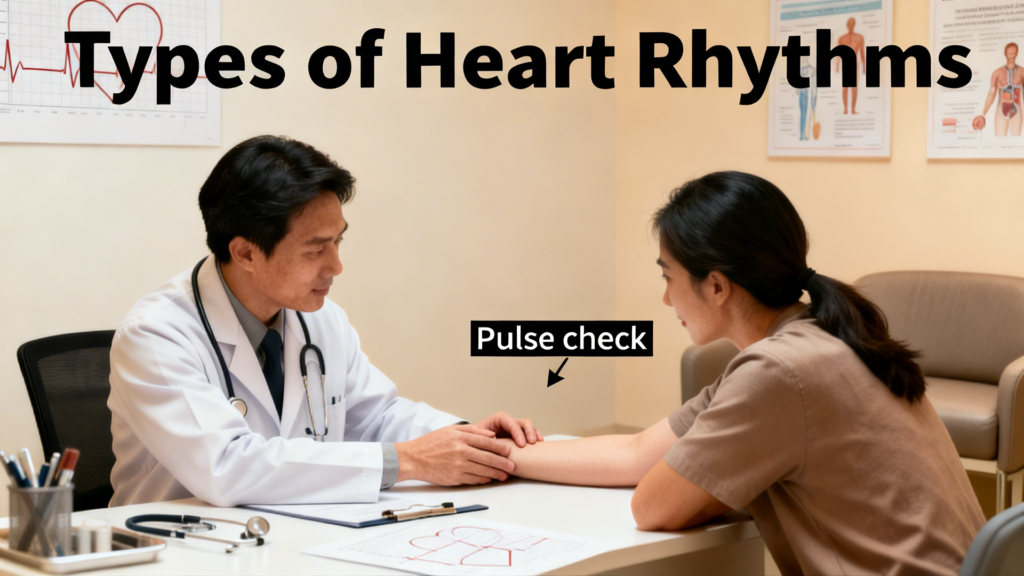
Your heart has a built-in pacemaker that maintains a steady beat, but sometimes it skips a beat or races unexpectedly. Under the specialist guidance of electrophysiologists like Dr Tuan, heart rhythms are broadly categorised into distinct clinical profiles:
Resting Heart Rate
This is your heart’s rate when you’re at rest. A consistently high resting heart rate might signal stress, dehydration, anemia, or cardiovascular problems. On the flip side, a heart rate too low (below 50 bpm) without physical conditioning might indicate bradycardia, which could require further assessment.
Irregular Heartbeats (Arrhythmias)
An arrhythmia is when your heart beats too fast, too slow, or erratically. Some are harmless, while others may indicate serious issues.
- Premature Beats: Premature atrial or ventricular contractions are early beats that often feel like a skipped heartbeat. These are generally benign but frequent occurrences should be checked.
- Atrial Fibrillation: This is a common arrhythmia that causes a fast and irregular heartbeat. It can increase the risk of stroke and often goes unnoticed until complications arise.
- Ventricular Tachycardia: A potentially dangerous condition where the heart beats too fast, reducing blood flow. This is a medical emergency if sustained.
What Your Heartbeat Can Reveal
Your heartbeat acts like a mirror reflecting your heart’s well-being. Dr Tuan emphasises the importance of distinguishing between healthy markers and clinical warning signs.
| Category | Physiological Indicators | Action Required |
|---|---|---|
| Signs of Cardiovascular Health | • Steady resting rate between 60–80 bpm • Quick recovery after exercise • Stable rhythm with no unexplained changes | Continue regular self-monitoring and routine annual check-ups. |
| Warning Signs of Heart Disease | • Sudden spikes or drops in heart rate • Irregular rhythms that do not correct themselves • Heart palpitations with dizziness or chest pain • Shortness of breath during mild exertion | Immediate Medical Evaluation. |
Visit Northern Heart Hospital Penang to schedule a diagnostic evaluation.
Stress and Your Heartbeat
The mind and heart are more connected than you think.
How Stress Impacts Heart Rhythm
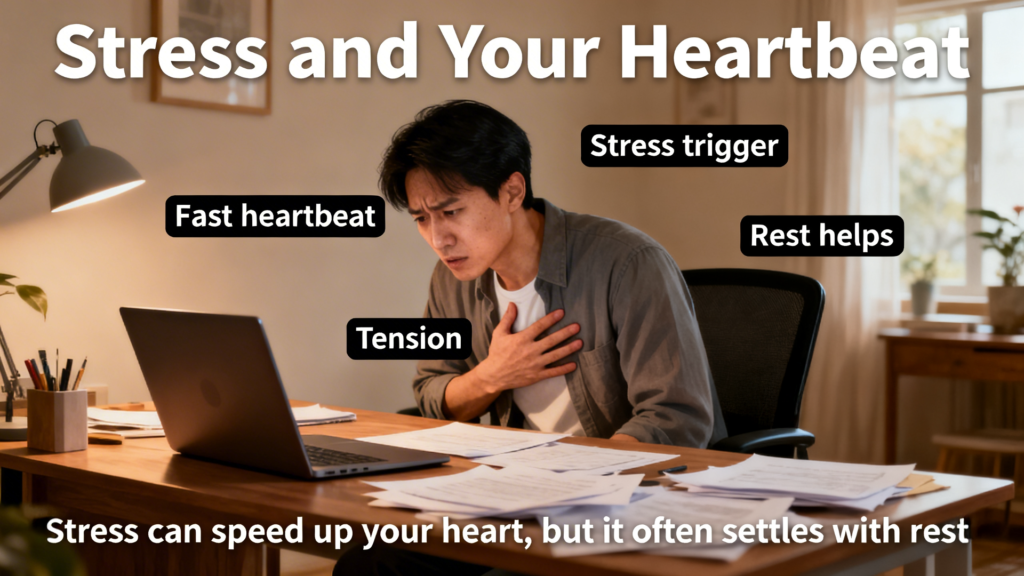
When you’re under stress, your body releases adrenaline, which speeds up your heart. Chronic stress keeps your heart working harder, which over time can raise your risk of high blood pressure, arrhythmias, and heart disease.
Differentiating Stress Response vs Heart Issues
Stress-induced palpitations usually occur during high-emotion moments and resolve with rest. In contrast, heart-related symptoms may occur without a clear trigger and persist. A diagnostic check at nhearthospital.com can help rule out more serious conditions.
Tools to Monitor Your Heartbeat
Modern technology has made heart monitoring easier than ever.
At-Home Devices
Smartwatches, portable ECG monitors, and even smartphone apps can give you real-time heart rate readings. These are especially helpful if you are monitoring for patterns or symptoms like palpitations or skipped beats.
When to Seek Professional Help
If your device shows frequent arrhythmias, or you have symptoms like fainting, chest pain, or breathlessness, seek immediate medical attention. Northern Heart Hospital’s cardiology department provides comprehensive evaluations for heart rhythm concerns.
Expert Care at Northern Heart Hospital Penang
Northern Heart Hospital Penang is a trusted name in cardiac and vascular care. Their team includes leading cardiologists, electrophysiologists, and cardiovascular surgeons who offer:
- 24/7 heart rhythm monitoring
- Advanced electrophysiology studies
- Interventions like ablation, pacemakers, and ICDs
- Heart health education and prevention plans
Visit nhearthospital.com to learn more or book an appointment with a heart specialist.
Final Thoughts
Your heart talks, it really does. Every beat carries a message about your body’s health, balance, and even your emotions. Whether it’s a calming rhythm after a walk or a sudden flutter during a stressful call, it pays to listen. Make it a habit to check your pulse, stay active, manage stress, and seek expert care when something feels off. Because the earlier you listen, the better your chances of staying heart-strong for years to come.
Frequently Asked Questions
Yes, stress can cause temporary increases in heart rate or palpitations. However, if these symptoms are frequent or severe, consult a specialist.
A resting heart rate consistently above 100 bpm (tachycardia) may need evaluation, especially if accompanied by symptoms like fatigue or shortness of breath.
Use a smartwatch or home ECG monitor. For more accurate assessments, consider visiting nhearthospital.com for professional testing.
Not always. Some are harmless, but persistent or symptomatic arrhythmias should be evaluated by a cardiologist.
About Northern Heart Hospital Penang
Founded in 2018, it is the first and only purpose-built cardiac and vascular specialist hospital in Penang and northern Malaysia, led by highly reputable and experienced clinicians, providing comprehensive heart and vascular care under one roof in the heart of George Town.
- Clinical Expertise: Tailored post-operative nutrition and rehabilitation plans.
- Comprehensive Care: Access to leading cardiac and vascular specialists under one roof.
Schedule an appointment with our specialists today if you have concerns regarding your cardiovascular health.
Disclaimer: This content is for educational and informational purposes only and does not substitute for professional medical advice, diagnosis, or treatment. Always consult a qualified healthcare provider regarding a medical condition.