
Step-by-Step Treatment Plan for Heart Failure
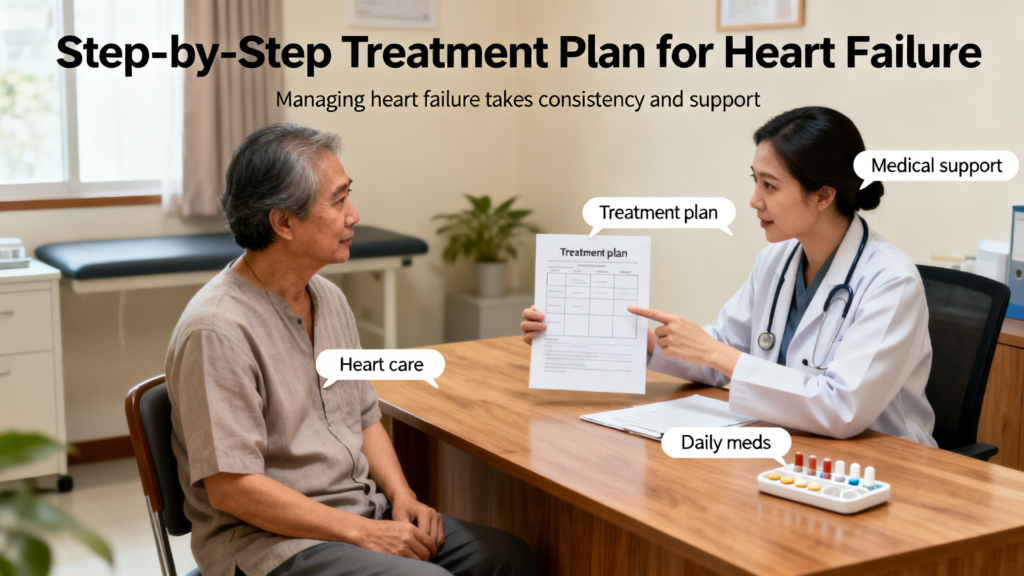
Heart failure might sound scary, but with the right plan in place, it does not have to be the end of the road. In fact, managing heart failure is like running a marathon with a really good coach — it takes time, dedication, and a clear strategy. This guide walks you through a practical, step-by-step approach to managing heart failure with the help of experienced specialists at Northern Heart Hospital.
Understanding Heart Failure
Heart failure does not mean your heart has stopped working. It means it is not pumping blood as effectively as it should. This can happen when the heart muscle becomes too weak or too stiff. Think of your heart as a pump that is struggling to keep up with the demand. When that pump loses strength, your body feels it in every system — from your lungs to your kidneys.
Causes and Risk Factors
Heart failure often develops after other conditions have weakened or damaged the heart. Some of the most common causes include:
- Coronary artery disease
- High blood pressure
- Diabetes
- Past heart attacks
- Cardiomyopathy
- Valvular heart disease
If you have any of these conditions, regular check-ups at a heart facility like Northern Heart Hospital can help detect early signs of heart trouble.
Recognizing the Symptoms
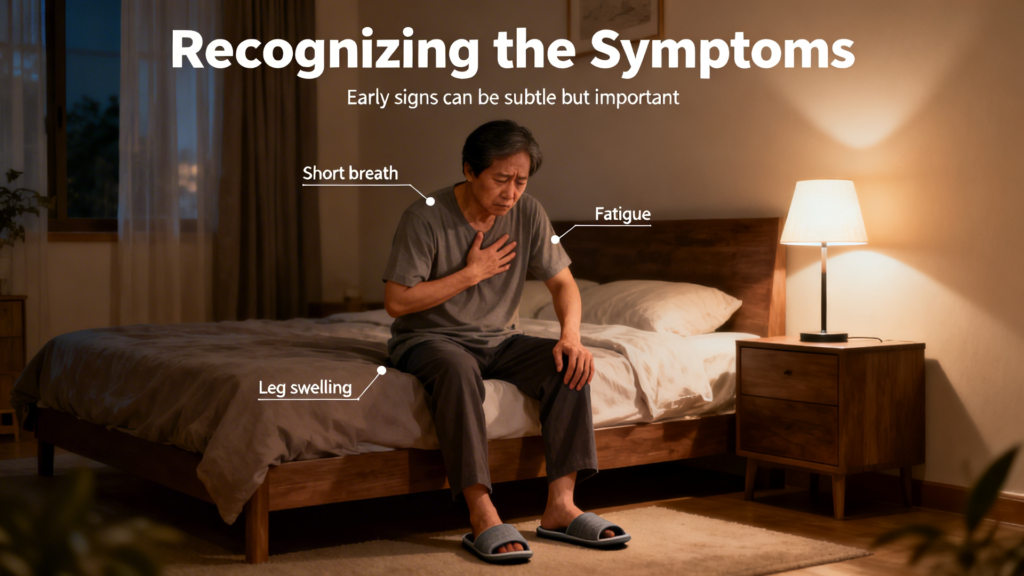
The earlier you recognize the symptoms of heart failure, the better your chances of managing it well. Symptoms include:
- Shortness of breath (especially during physical activity or at night)
- Fatigue and weakness
- Swelling in legs, ankles, and feet
- Rapid or irregular heartbeat
- Persistent cough or wheezing
- Difficulty concentrating or confusion
If any of these sound familiar, do not ignore them.
Getting a Diagnosis

Diagnosing heart failure involves a mix of your medical history, physical exams, and several tests:
- Echocardiogram (to see how well your heart is pumping)
- Blood tests (to check for BNP or NT-proBNP levels)
- Chest X-ray (to look for fluid buildup)
- Electrocardiogram (ECG or EKG)
- Stress tests or cardiac MRI, if needed
At Northern Heart Hospital, state-of-the-art technology makes this process smooth, fast, and precise.
Step 1: Hospital Stabilization (Acute Phase)
In severe cases, treatment begins in the hospital. The immediate goal is to stabilize the patient. This includes:
- Intravenous (IV) medications to improve heart function and remove excess fluid
- Oxygen therapy
- Continuous heart monitoring
This phase ensures your body is safe and your heart is no longer in immediate danger.
Step 2: Medications to Support Heart Function
Once you are stable, long-term management begins. Medications are the first line of defense to reduce symptoms and improve heart performance.
Commonly Prescribed Drugs
You may be prescribed:
- ACE inhibitors or ARBs to relax blood vessels
- Beta-blockers to slow heart rate and lower blood pressure
- Diuretics to reduce fluid buildup
- Aldosterone antagonists to protect the heart
- SGLT2 inhibitors for additional heart and kidney protection
Doctors at Northern Heart Hospital personalize your regimen to reduce hospitalizations and improve quality of life.
Step 3: Lifestyle Modifications
Medicine is only half the battle. Your daily habits play a huge role in controlling heart failure.
Dietary Adjustments
Say goodbye to salty snacks. Sodium causes your body to retain water, worsening symptoms. Try:
- Low-sodium alternatives
- Fresh fruits and vegetables
- Lean proteins
- Whole grains
Limit fluid intake if your doctor recommends it, and keep an eye on alcohol and caffeine.
Physical Activity and Exercise
While it may sound counterintuitive, light exercise can actually strengthen your heart. Start slow:
- Daily walks
- Gentle stretching
- Light resistance training
Work with a cardiac rehab team to develop a safe, customized plan.
Weight and Fluid Monitoring
Track your weight daily. Sudden gains may signal fluid buildup. Also:
- Monitor your blood pressure and pulse at home
- Keep a symptom diary
- Report changes quickly to your heart specialist
Step 4: Cardiac Rehabilitation
Cardiac rehab is a structured program that includes supervised exercise, nutrition education, and counseling. It is especially useful after a hospital stay or when starting a new treatment plan.
At Northern Heart Hospital, rehab is personalized to help you rebuild strength and confidence.
Step 5: Device Therapy and Surgical Interventions
When medications and lifestyle changes are not enough, medical devices or surgery may be the next step.
When Are Devices Considered?
You might need a device if:
- Your ejection fraction (how well your heart pumps) is low
- You have dangerous heart rhythms
- Symptoms persist despite optimal medication
Types of Devices and Procedures
Options include:
- Pacemakers
- Implantable Cardioverter Defibrillators (ICDs)
- Cardiac resynchronization therapy (CRT)
- Ventricular assist devices (VADs)
- Valve repair or replacement
- Coronary artery bypass surgery
These options are best discussed with a cardiothoracic expert at Northern Heart Hospital.
Step 6: Long-Term Monitoring and Follow-Up
Heart failure is a chronic condition. That means long-term commitment is essential. Regular follow-ups help:
- Adjust medications
- Monitor kidney function
- Track progress
- Catch new symptoms early
You will also get advice on vaccinations, especially against flu and pneumonia.
Emotional and Mental Health Support
Living with heart failure can be emotionally overwhelming. Many people experience:
- Anxiety about their health
- Depression due to physical limitations
- Frustration over lifestyle changes
It is important to seek emotional support. This can include therapy, support groups, or speaking with a cardiac nurse at Northern Heart Hospital who understands the emotional toll.
Working with a Heart Specialist at Northern Heart Hospital
Your care team matters. At Northern Heart Hospital, you are supported by a team of experienced cardiologists, cardiac nurses, rehab specialists, and nutritionists who work together to develop your individualized care plan.
Whether you are in the early stages or have advanced heart failure, the right guidance makes all the difference.
Final Thoughts: Living Well with Heart Failure
Heart failure might sound like the end of the road, but it is more like a detour. With a solid plan, professional support, and consistent effort, you can live a meaningful, active life. Think of this plan as your compass — guiding you through each phase with confidence, clarity, and care.
FAQs
1. Can heart failure be completely cured?
No, but it can be managed effectively. Many people live for years with a good quality of life through medication and lifestyle changes.
2. Is exercise safe for people with heart failure?
Yes, if guided by a doctor or rehab team. It improves stamina and reduces symptoms over time.
3. How do I know if my heart failure is getting worse?
Watch for sudden weight gain, increased shortness of breath, swelling, and fatigue. Regular check-ups help catch problems early.
4. What foods should I avoid with heart failure?
Avoid high-sodium foods like processed meats, canned soups, chips, and pickles. Stick to fresh, whole foods as much as possible.
5. Where can I find specialized care for heart failure in Malaysia?
Northern Heart Hospital offers comprehensive, state-of-the-art care tailored specifically for heart failure patients.