
The Recovery Stages Following a Carotid Endarterectomy Surgery
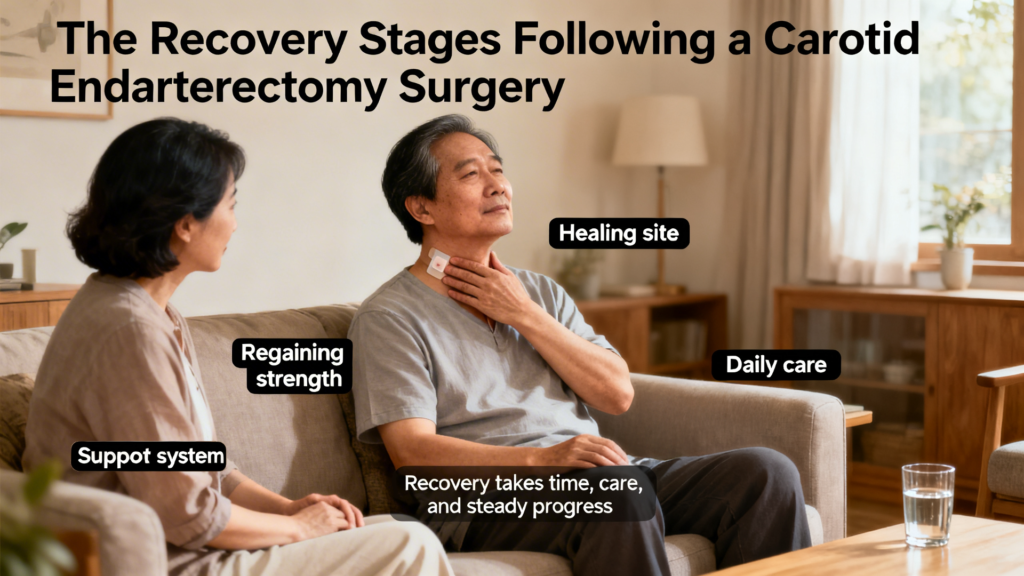
Recovering from a carotid endarterectomy is not just about healing the surgical site it’s about regaining confidence in your body, ensuring your arteries stay clear, and preventing future strokes. Whether you’ve recently undergone this procedure or are preparing for it, understanding each recovery stage helps you stay informed and motivated through the process.
What Is a Carotid Endarterectomy?

A carotid endarterectomy is a surgical procedure designed to remove plaque buildup from the carotid arteries the main vessels that supply oxygen-rich blood to your brain. When these arteries become narrowed due to atherosclerosis, the risk of stroke rises dramatically. The surgery’s goal is simple yet life-saving: to restore normal blood flow to the brain and reduce the chances of a future stroke.
To visualize it, imagine your artery as a highway. When debris clogs the lanes, traffic slows down, and accidents happen. This surgery acts like a road-cleaning operation clearing out the buildup and ensuring smooth, uninterrupted circulation.
The First 24 Hours After Surgery
The first day after a carotid endarterectomy is the most crucial stage of recovery. Patients are monitored closely. Medical staff will observe blood pressure, neurological function, and wound healing.
Discomfort and swelling around the incision site are common, but these are carefully managed with medication. The key goal during this period is to prevent complications such as bleeding, infection, or sudden changes in blood pressure that can stress the freshly repaired artery.
For instance, vascular specialists like Assoc. Prof. Dr. Edward Choke Tieng Chek at Northern Heart Hospital are experts in managing vascular conditions and ensuring safe post-operative outcomes for patients undergoing this delicate procedure.
The First Week: Gentle Movement and Monitoring
After being discharged, the first week focuses on balancing rest and light activity. You may feel slightly tired or have mild discomfort, but this is entirely normal. Doctors often advise short, slow walks to promote blood circulation while avoiding strenuous movements that could strain the neck or incision area.
Wound care is also crucial keeping the incision clean and dry helps prevent infection. Follow-up appointments usually occur within a few days to check your healing progress, monitor blood pressure, and may include assessment of the blood flow in the operated artery through an ultrasound.
This stage marks the transition from hospital supervision to self-care at home, where consistency in following medical advice truly determines the pace of recovery.
Managing Pain and Swelling
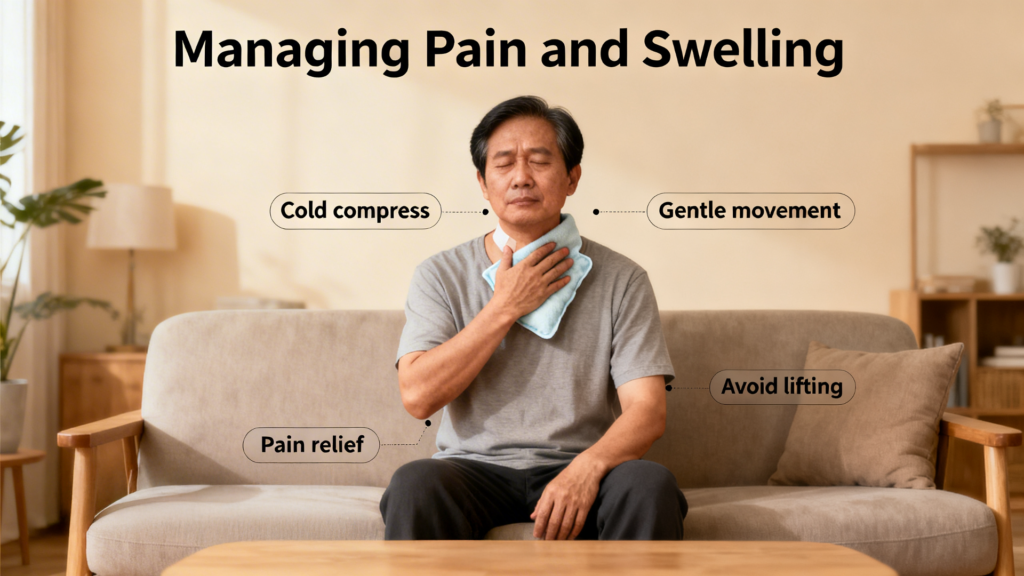
Mild neck pain or stiffness is common during the early stages of recovery. Most patients find relief with prescribed painkillers or over-the-counter medications recommended by their doctors. Applying a cold compress for short intervals can also help reduce swelling.
One important tip: avoid sudden neck movements or lifting heavy objects for at least two weeks. These small precautions make a huge difference in preventing complications and ensuring that your incision heals smoothly.
Nutrition for Faster Healing
Your diet plays a surprisingly powerful role in recovery. After carotid endarterectomy surgery, it’s best to embrace heart-healthy meals rich in lean protein, fruits, vegetables, and whole grains. Omega-3 fatty acids from fish or nuts can help reduce inflammation and support artery health.
For example, skipping processed foods and salt-heavy snacks can help stabilize blood pressure, reducing stress on your repaired artery. Think of food as your daily medicine every bite either supports or slows your healing journey.
The Second to Fourth Week: Regaining Strength
During this stage, patients often notice an increase in energy levels and mobility. Light exercise, such as walking or gentle stretching, becomes a daily part of recovery. Most people can resume everyday activities after two weeks, depending on their doctor’s recommendations.
You might also notice minor changes in sensation near your incision or mild tightness in your neck muscles. These are part of normal healing and tend to fade with time. Always inform your doctor if you experience dizziness, sudden headaches, or weakness, as these could indicate blood flow issues.
Rehabilitation and Follow-Up Care
Recovery isn’t only about physical healing it’s about regaining confidence and reducing future stroke risk. That’s why post-surgical rehabilitation plays a vital role.
Rehabilitation Services from Northern Heart Hospital offer personalized recovery programs designed to rebuild strength, improve balance, and monitor cardiovascular performance. Their team helps patients safely transition from the hospital back into normal routines while emphasizing lifestyle changes that prevent future artery blockages.
These programs often include guided physiotherapy sessions, nutritional counseling, and cardiovascular education all designed to keep your arteries in top shape long after surgery.
Choosing a Hospital That Supports Full Recovery
Selecting the right hospital can make a world of difference in your recovery journey. Facilities like Northern Heart Hospital are equipped with advanced vascular care units, dedicated post-surgical monitoring, and state-of-the-art imaging technologies to ensure optimal outcomes.
Their comprehensive services include Rehabilitation Services, cardiac evaluations, and vascular imaging all under one roof. This integrated approach provides peace of mind that your recovery will be guided by experts who specialize in every step of your care.
Expert Surgical Care from Leading Specialists
A successful carotid endarterectomy requires not only precision but also experience. At Northern Heart Hospital, the vascular and cardiothoracic teams bring decades of expertise to the table.
For instance, Assoc. Prof. Dr. Edward Choke Tieng Chek is renowned for his excellence in vascular surgery and his dedication to patient-centered care, particularly for complex carotid artery procedures.
Emotional Healing After Surgery
Recovery isn’t only physical; it’s deeply emotional. Some patients may feel anxious about having undergone major vascular surgery. Talking to family members, joining support groups, or seeking guidance from hospital counselors can make a big difference in maintaining a positive outlook.
Remember, your recovery is unique. It’s okay to take it one day at a time and celebrate small milestones each walk, each pain-free night, and every follow-up visit brings you closer to full recovery.
Preventing Future Artery Blockages
After a successful carotid endarterectomy, maintaining artery health becomes a lifelong commitment. Adopting healthy habits like regular exercise, balanced eating, quitting smoking, and managing blood pressure ensures your arteries stay clear and strong.
Periodic follow-up scans will help detect any early signs of re-narrowing (restenosis), giving your doctor a chance to act early if needed. Prevention truly begins with consistency.
When to Seek Medical Help
While most recoveries go smoothly, it’s vital to know when to call your doctor. If you notice symptoms such as severe headaches, neck swelling, facial drooping, slurred speech, or vision changes, seek immediate medical attention. These may indicate complications that need urgent care.
Early detection and prompt response can prevent serious outcomes always err on the side of caution.
The Road to Complete Recovery
Most patients regain full independence within six weeks of surgery, depending on their overall health. However, staying consistent with medical checkups, physical activity, and healthy habits ensures the long-term success of the procedure.
With the right medical guidance, a strong support system, and the expertise of institutions like Northern Heart Hospital, you can look forward to a future free from stroke worries.
Conclusion
Recovering from carotid endarterectomy is a process that blends patience, discipline, and expert care. Each stage from the first day to the final follow-up plays a crucial role in protecting your brain and restoring your confidence. With proper care, a balanced lifestyle, and guidance from top specialists like those at Northern Heart Hospital, patients can look forward to a healthier, more secure future.
FAQs
1. How long does it take to recover from carotid endarterectomy?
Most patients recover within four to six weeks, but full recovery depends on overall health and adherence to medical advice.
2. Can carotid arteries become blocked again after surgery?
Yes, it’s possible. Regular checkups and maintaining healthy habits can minimize the risk of re-narrowing.
3. When can I return to work after surgery?
Typically, patients return to light work within two to three weeks, depending on job demands and their doctor’s approval.
4. Is exercise safe after surgery?
Light exercise like walking is encouraged, but always follow your doctor’s guidance before resuming vigorous activity.
5. How can Northern Heart Hospital help with my recovery?
From expert vascular surgeons to personalized Rehabilitation Services, Northern Heart Hospital offers comprehensive post-surgical care for a full and lasting recovery.