
Medically reviewed by Dr. Barakath Badusha Bin Abdul Kareem, Consultant Cardiologist
Authority: Northern Heart Hospital Penang
Published: 17 November 2025 | Last updated: 12 August 2026
At a Glance
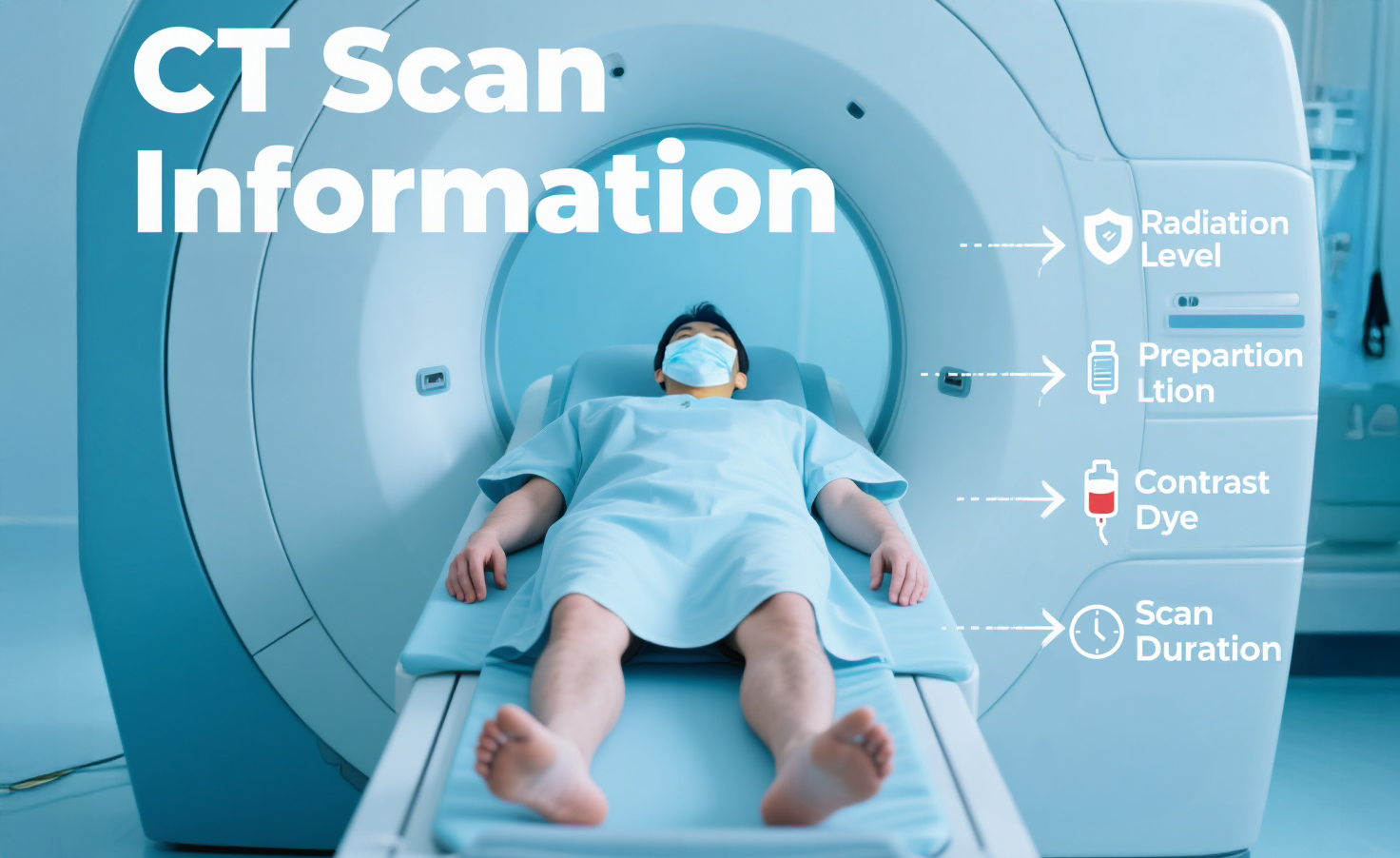
- Duration: The entire procedure takes 10 to 15 minutes (the actual scanning takes less than 60 seconds).
- Preparation: Fast for 4 to 6 hours prior to the test if contrast dye is required, and remove all metal objects or jewelry.
- Sensation: The scan is completely painless. If contrast dye is administered, you may feel a temporary warm flush or metallic taste.
- Recovery: You can resume normal daily activities immediately. Drink extra water after the scan to help flush out contrast dye.
If your doctor has recommended a CT scan, you might feel nervous, uncertain, or even overwhelmed. After all, medical tests often sound intimidating when you don’t fully understand them. But the truth is, a CT scan is one of the most advanced diagnostic tools available, giving doctors a clear picture of what’s happening inside your body. To make the experience easier, let’s explore everything you should know before stepping into the hospital scanner room.
Understanding What a CT Scan Is
A CT scan, or computed tomography scan, is like taking hundreds of X-rays all at once and combining them into a detailed 3D image of your body. This allows doctors to see inside bones, tissues, and organs far more clearly than a standard X-ray.
Imagine it as slicing a loaf of bread and examining each slice individually that’s how a CT scan captures layer-by-layer details of your body. Hospitals use this test to look deeper into health issues that other imaging methods may miss.
Why Doctors Recommend CT Scans
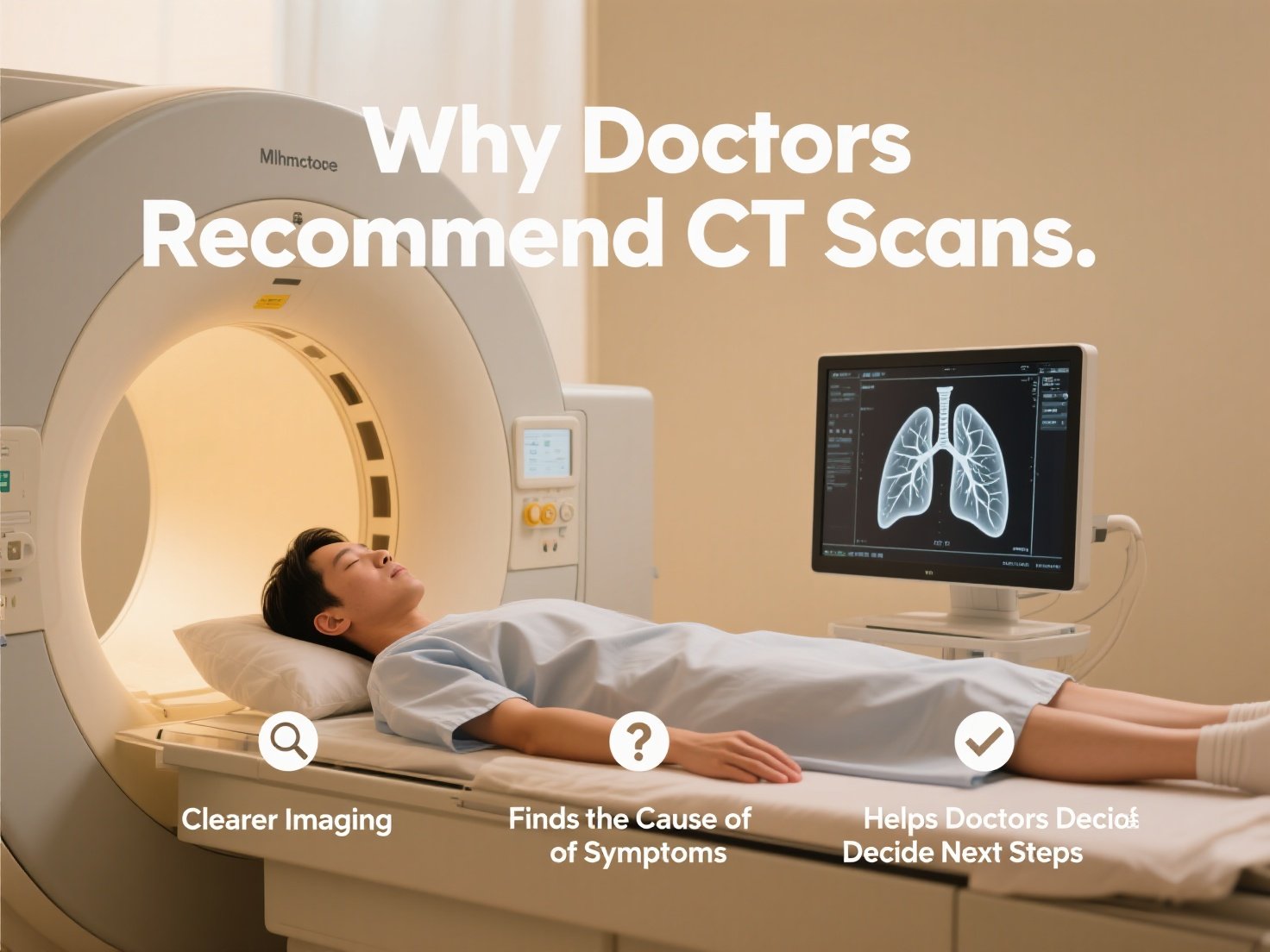
Doctors typically recommend a CT scan when they need more information than what a regular X-ray or ultrasound can provide.
- Diagnostic Precision: If someone has unexplained chest pain, a CT scan can reveal whether it is due to heart disease, lung problems, or another condition.
- Treatment Monitoring: These scans are widely used to track the progress of treatment, such as seeing whether a tumour is shrinking after chemotherapy.
- Actionable Care: Simply put, a CT scan helps doctors connect the dots and make accurate decisions for patient care.
Diagnostic Comparison: CT Scans vs Other Imaging Tests
| Diagnostic Tool | Primary Strength | Typical Scan Duration | Best Used For |
|---|---|---|---|
| CT Scan | Speed and 3D cross-sectional clarity | Under 15 minutes | Emergency trauma, chest/abdominal pain, bone fractures, vascular issues |
| MRI Scan | Detailed soft tissue and nerve mapping | 30 to 60 minutes | Brain tissue, ligament tears, spinal cord details |
| Ultrasound | Real-time movement using sound waves | 15 to 30 minutes | Obstetrics, gallbladder, soft organ scans |
| Standard X-Ray | Quick 2D structural view | 5 minutes | Simple bone fractures, basic chest screenings |
Common Conditions Diagnosed Through CT Scans
CT scans aren’t used for just one thing they cover a wide range of medical issues.
Head and Brain Issues
From detecting strokes to identifying tumors or bleeding, CT scans of the head provide life-saving insights. For example, in a patient with sudden dizziness and weakness, a CT scan can confirm whether it’s a minor issue or a dangerous stroke.
Chest and Lung Conditions
Hospitals often use CT scans to spot pneumonia, lung nodules, or pulmonary embolisms. Smokers or people with persistent coughs may undergo CT scans to rule out lung cancer.
Abdominal and Pelvic Disorders
Unexplained abdominal pain? A CT scan can reveal kidney stones, appendicitis, liver disease, or bowel obstructions. This helps doctors act quickly when time is critical.
Bone and Joint Problems
Unlike regular X-rays, CT scans can pick up complex fractures, spinal issues, and joint abnormalities. Orthopedic surgeons rely on these detailed images to plan surgeries accurately.
How to Prepare Before a CT Scan
Preparation is essential for accurate results. Hospitals usually provide clear guidelines before your appointment, and following them makes the procedure smoother.
- Fasting and Diet Instructions:
Depending on the type of scan, you might be asked to avoid eating for a few hours beforehand. This is especially important if contrast dye will be used, as food could interfere with imaging. - Managing Allergies and Medications
If you have allergies particularly to iodine or shellfish you must inform your doctor. These may signal potential reactions to the contrast dye. Likewise, mention all medications you take, as some may need adjustments before the test. - What to Wear and Bring
- Clothing: Wear comfortable clothing without metal (such as zippers, snaps, or wire underwires).
- Accessories: Jewelry, watches, and belts should be left at home or removed before the scan, as metal distorts the images.
- Documents: Carry your medical history documents and prior test reports for the doctor’s reference.
Step-by-Step: What Happens During the Procedure
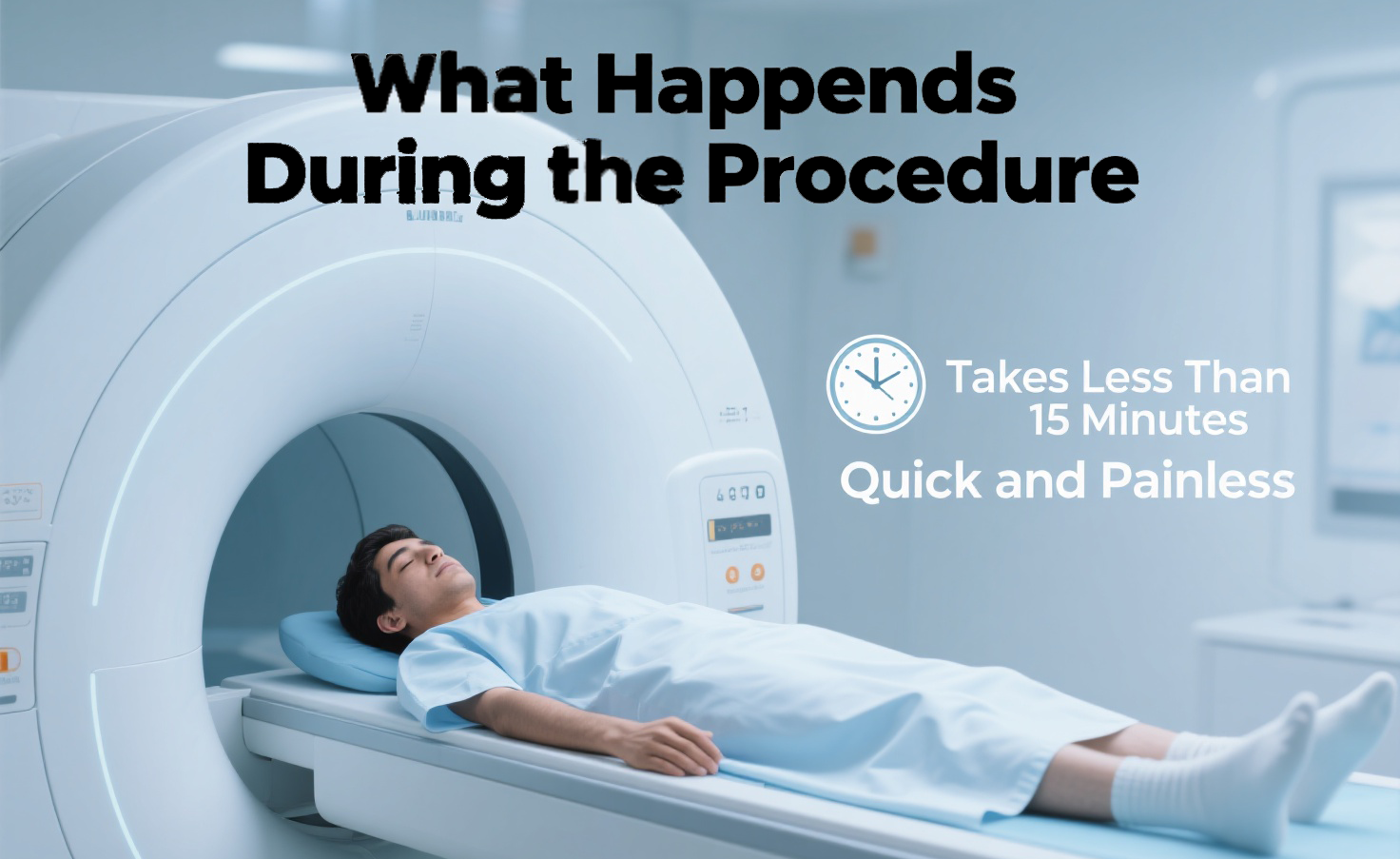
- Positioning: You will lie on a comfortable, narrow table that slides into the circular scanner.
- Imaging: While the machine rotates around you taking images, you will need to stay very still.
- Guidance: The radiologist may ask you to hold your breath for a few seconds to prevent blurry images.
- Completion: The entire process usually takes less than 15 minutes, and you can resume normal activities right after unless instructed otherwise.
The Role of Contrast Dye in CT Scans
Contrast dye is a special liquid that helps highlight specific organs or blood vessels during the scan.
- Administration: It can be given orally, intravenously, or both, depending on what doctors need to see (e.g., revealing blockages in coronary arteries during heart-related scans).
- Sensations: Some people experience a warm flush or metallic taste during the injection; this is completely normal and passes quickly.
- Safety Protocol: Hospitals always verify kidney function before administering contrast dye, as it is processed and filtered by the kidneys.
Potential Risks and Safety Considerations
Like all medical procedures, CT scans come with minimal risks that are carefully managed by radiology safety protocols:
- Radiation Exposure: Modern scanners utilise advanced low-dose protocols to keep radiation as low as reasonably achievable while maintaining sharp image quality. The diagnostic benefit almost always outweighs the minimal exposure risk.
- Allergic Reactions: Reactions to contrast dye are rare. Radiology teams monitor patients closely throughout the procedure.
- Pregnancy Precautions: Pregnant women are generally advised to avoid CT scans unless medically necessary, protecting the developing baby from radiation.
What to Expect After a CT Scan
- Immediate Discharge: Most patients can go home immediately following their scan.
- Hydration: If contrast dye was used, drink plenty of water throughout the day to help your kidneys flush it out naturally.
- Results & Follow-Up: A consultant radiologist will study the images and compile an official report for your physician. If urgent findings are identified, hospitals prioritise immediate communication with your doctor to begin timely care.
Patient Misconceptions vs Facts
- Myth: CT scans are painful and uncomfortable.
Fact: The scan itself is completely non-invasive and pain-free. - Myth: The radiation from a single CT scan is dangerous.
Fact: Radiation dosage is strictly controlled using modern low-dose imaging technology. - Myth: CT scans are only for critically ill hospital patients.
Fact: They are frequently used as preventive diagnostic tools for high-risk individuals.
How Hospitals Ensure Patient Comfort During Scans
Modern hospital facilities focus equally on advanced technology and patient experience:
- Spacious Design: Scanners with wider bores help alleviate feelings of claustrophobia.
- Calming Environment: Facilities often incorporate soothing ambient lighting and calming music.
- Expert Support: Compassionate radiology staff walk you through every step so you feel fully supported.
Why Choosing the Right Hospital Matters
Not all CT scans are the same. Hospitals differ in terms of equipment quality, staff expertise, and safety protocols.
- Advanced machines deliver sharper images with lower radiation exposure.
- Skilled radiologists ensure accurate interpretation, which can make the difference between a correct diagnosis and a missed condition. Choosing a reputable hospital ensures both safety and reliability in results.
Why Northern Heart Hospital Is Trusted for CT Scans
At Northern Heart Hospital, patients receive CT scans using state-of-the-art technology operated by experienced radiologists.
The hospital emphasises safety, accuracy, and patient comfort. Their advanced imaging suites minimise radiation exposure while maximising image clarity. Combined with expert interpretation and follow-up care, patients trust Northern Heart Hospital for precise and reliable diagnostic services.
Conclusion
A CT scan doesn’t have to be scary or confusing. It’s a powerful tool that helps doctors see inside your body and make accurate decisions about your health. By understanding the process, preparing correctly, and choosing the right hospital, you can ensure the experience is smooth and stress-free. Ultimately, the scan is not just about images it’s about giving you answers and guiding your journey to better health.
Frequently Asked Questions
Most CT scans take less than 15 minutes, though preparation time may add a bit more.
Yes, but doctors use lower radiation doses and only recommend it when absolutely necessary.
Yes, unless you were given sedation or feel unwell, you can safely drive home afterward.
Reports are typically ready within 24–48 hours, though urgent cases may be processed immediately.
Most insurance plans cover CT scans when medically necessary. It’s best to confirm with your provider beforehand.
About Northern Heart Hospital Penang
Founded in 2018, it is the first and only purpose-built cardiac and vascular specialist hospital in Penang and northern Malaysia, led by highly reputable and experienced clinicians, providing comprehensive heart and vascular care under one roof in the heart of George Town.
- Clinical Expertise: Tailored post-operative nutrition and rehabilitation plans.
- Comprehensive Care: Access to leading cardiac and vascular specialists under one roof.
Schedule an appointment with our specialists today if you have concerns regarding your cardiovascular health.
Disclaimer: This content is for educational and informational purposes only and does not substitute for professional medical advice, diagnosis, or treatment. Always consult a qualified healthcare provider regarding a medical condition.