
Medically reviewed by Dr. Tan Chiang Soo, Consultant Cardiologist
Authority: Northern Heart Hospital Penang
Published: 14 April 2026 | Last Updated: 15 June 2026
At a Glance
- The Age 40 Pivot: Metabolism, hormones, and cumulative lifestyle strains begin to manifest, sharply raising chronic disease risks.
- Silent Hazards: High blood pressure, Type 2 diabetes, and early-stage cardiovascular blockages rarely display symptoms before a crisis.
- Targeted Screenings: A robust post-40 health regimen combines basic vitals, detailed blood chemistry, and advanced diagnostic imaging.
- Actionable Prevention: Tailoring your screening package to your specific family history and lifestyle dramatically improves long-term clinical outcomes.
The Strategic Shift to Post-40 Preventive Healthcare
Turning 40 often feels like a new chapter in life. For many, it’s a time when careers stabilise, families grow, and life seems to find its rhythm. But it’s also the age when the body starts whispering hints about changes beneath the surface.
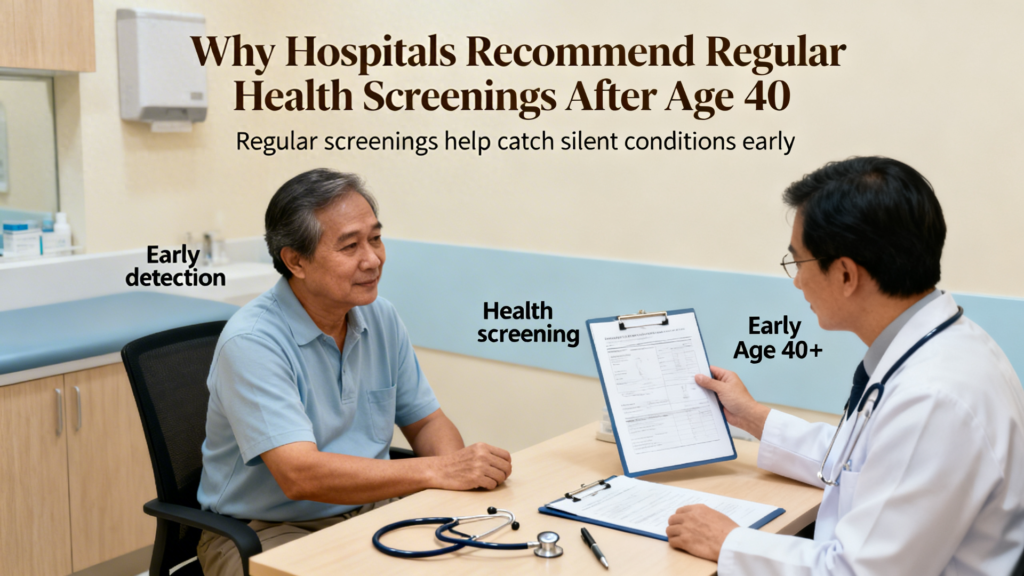
That’s exactly why hospitals emphasise the importance of regular health screenings after 40 to catch silent health issues early and keep you on track for decades of wellness. Let’s dive deep into why these check-ups matter, what they involve, and how they can ultimately save lives.
The Importance of Preventive Healthcare
Preventive healthcare is all about staying one step ahead of disease. Instead of waiting until you’re sick to see a doctor, screenings allow hospitals to detect hidden problems while they’re still manageable.
For instance, high blood pressure or cholesterol rarely shows symptoms until it’s too late, but a simple test can uncover risks and allow early intervention. Think of screenings as your health’s “safety net,” catching you before you fall into serious illness.
Why Age 40 Is a Critical Milestone
Why not 30 or 50? Hospitals emphasise age 40 because it’s the point where the risk of chronic diseases significantly increases. Metabolism slows, hormones shift, and years of lifestyle habits start to leave their mark.
- Cardiovascular Strain: Someone who has smoked for two decades may only now begin showing lung or cardiovascular strain.
- Hormonal Shifts: Women often experience pre-menopausal changes around this age, while men may notice changes in testosterone or prostate health.
By starting regular screenings at 40, hospitals aim to identify risks right when they’re emerging.
Primary Health Risks and Screening Pathways
Life after 40 comes with unique challenges. Understanding the common risks helps explain why screenings are so essential.
| Health Focus Area | Primary Risks Post-40 | Key Hospital Screening Methods |
|---|---|---|
| Cardiovascular Health | Silent hypertension, clogged arteries, arrhythmias | Electrocardiograms (ECG), Stress Tests, Echocardiograms, CT Coronary Angiography |
| Metabolic System | Insulin resistance, Pre-diabetes, Type 2 diabetes | Blood glucose levels, HbA1c testing, Lipid profile |
| Oncology (Cancer) | Breast, cervical, colorectal, and prostate cancers | Mammograms, Pap smears, HPV testing, PSA blood tests, Colonoscopies |
| Musculoskeletal | Osteoporosis, joint wear-and-tear, early bone loss | Bone mineral density scans, basic mobility checks |
Cardiovascular Diseases
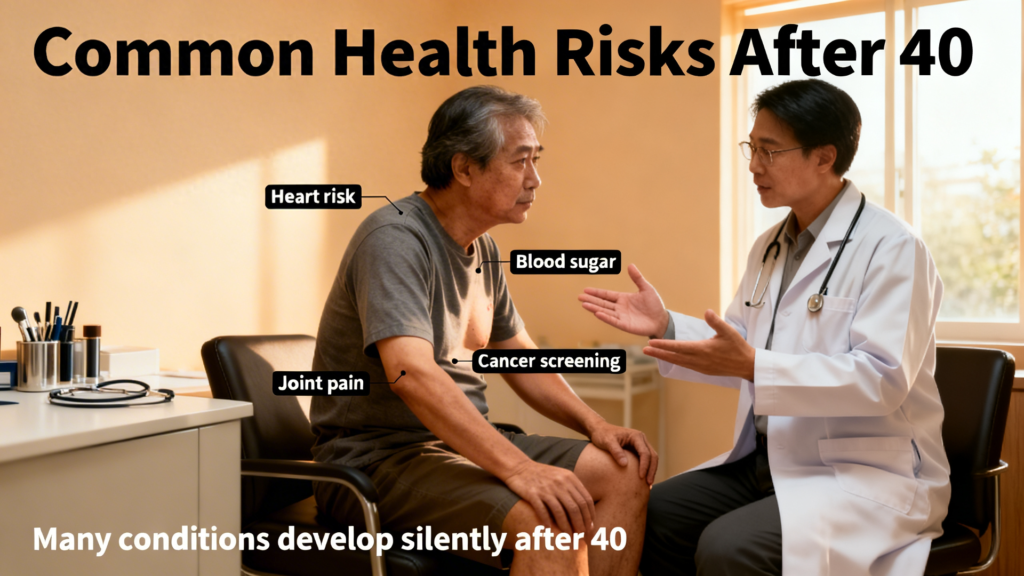
Heart disease tops the list for individuals over 40. High blood pressure, clogged arteries, and arrhythmias can develop silently. Without early detection, these conditions often surface only during emergencies like chest pain or stroke. A cardiology screening, which hospitals like Northern Heart Hospital Penang specialise in, can help prevent such crises.
Diabetes and Metabolic Syndrome
The body’s ability to regulate blood sugar can decline with age, making Type 2 diabetes more common after 40. Screening blood glucose levels can reveal pre-diabetes, giving you the chance to reverse it with diet and exercise before it progresses.
Cancer Risks
Certain cancers like breast, colon, prostate, and cervical become more prevalent after 40. Early detection through screenings significantly improves survival rates, highlighting why hospitals insist on regular checks.
Bone and Joint Health
Bones begin to lose density, and joints show early signs of wear and tear. Conditions like osteoporosis and arthritis often begin quietly, but screenings can detect early bone loss before fractures occur.
What Regular Health Screenings Involve
Health screenings aren’t one-size-fits-all. They’re comprehensive, covering multiple systems to ensure a holistic view of your health.
- Basic Vital Checks
Hospitals usually start with vital signs: blood pressure, heart rate, body weight, and body mass index (BMI). These quick assessments can uncover hypertension or obesity both major risk factors for chronic disease. - Blood Tests and Hormonal Assessments
Blood tests check cholesterol, blood sugar, liver, and kidney function. Hormonal tests may also be recommended to monitor thyroid function or reproductive hormones, which often change around this age. - Imaging and Diagnostic Scans
Chest X-rays, ultrasounds, or CT scans can reveal hidden issues in the lungs, heart, or abdominal organs. For example, a CT coronary angiography can detect blockages in the heart’s arteries before symptoms appear. - Cardiovascular Screening Tests
Hospitals prioritise cardiovascular screenings for people over 40 because heart disease is the world’s leading killer. These tests include electrocardiograms (ECG), stress tests, echocardiograms, and in some cases, advanced imaging like cardiac MRI. Regular screenings allow cardiologists to spot risks early, sometimes even years before an event like a heart attack could occur. - Cancer Screening Recommendations
Cancer is another major concern after 40, and hospitals recommend targeted screenings depending on gender and risk factors.- For Women: Mammograms starting at 40 are vital for detecting breast cancer early. Pap smears and HPV testing also help catch cervical cancer before it becomes invasive.
- For Men: Prostate-specific antigen (PSA) blood tests and digital rectal exams can detect early prostate cancer.
- For Both: Colonoscopies are recommended starting at 45, but doctors may advise earlier screenings if there is a known family history.
The Broader Impact: Lifestyle, Mindset, and Survival
The Role of Lifestyle Diseases in Health Screenings
Modern lifestyles with fast food, long sitting hours, and high stress fuel conditions like obesity, hypertension, and diabetes. Hospitals emphasise screenings because lifestyle-related diseases often progress silently until complications strike. For example, fatty liver disease is now a common finding in patients over 40, often detected only during routine blood work or ultrasound scans.
The Psychological Benefit of Knowing Your Health Status
Screenings aren’t just about numbers; they bring peace of mind. Many people worry about developing the same conditions their parents had, like diabetes or cancer. A clean bill of health can ease anxiety, while early detection empowers patients to take control. Psychologically, it’s far better to face the truth than to live in uncertainty.
How Regular Screenings Save Lives
There are countless real-world examples of screenings saving lives. A person may discover dangerously high blood sugar before developing full-blown diabetes, or a small tumor may be removed before it spreads.
The earlier a disease is found, the simpler and less expensive the treatment usually is. Hospitals strongly advocate screenings because prevention is far less costly emotionally, physically, and financially than cure.
The Hospital Approach to Personalised Screening
Every patient is different. Hospitals customise screening plans based on family history, gender, lifestyle, and existing health conditions. For example, a patient with a family history of colon cancer might begin colonoscopies at 40, while another with no risk factors may not need one until 45. Personalised medicine ensures screenings are relevant and effective rather than generic.
Why Northern Heart Hospital Advocates Regular Screenings
At Northern Heart Hospital Penang, preventive care is a cornerstone of patient health. Their specialists emphasise screenings after 40 because they’ve seen firsthand how early detection changes outcomes.
With advanced diagnostic tools and a team of cardiologists, nephrologists, radiologists, and surgeons, the hospital provides comprehensive health check packages tailored to individual needs. Their goal is not only to treat disease but also to help patients live longer, healthier lives.
Conclusion
Crossing the age of 40 doesn’t have to mean declining health. It’s an opportunity to invest in yourself, to catch problems before they spiral, and to secure a healthier future. Hospitals recommend regular health screenings because they save lives, reduce suffering, and give you the confidence that you’re taking charge of your health journey.
Think of it as a routine service for your body after all, you wouldn’t skip maintenance for your car, so why would you skip it for yourself?
Frequently Asked Questions
Most hospitals recommend a comprehensive health check at least once every 1–2 years, depending on your risk profile.
They can vary in cost, but many hospitals offer affordable packages. Compared to the cost of treating late-stage disease, screenings are an investment.
No. Many conditions, like high blood pressure or diabetes, show no symptoms until advanced stages.
Yes. For example, women need breast and cervical cancer screenings, while men need prostate checks. Both need heart and metabolic screenings.
Don’t panic. Hospitals will guide you through further tests or lifestyle changes to manage risks early.
About Northern Heart Hospital Penang
Founded in 2018, it is the first and only purpose-built cardiac and vascular specialist hospital in Penang and northern Malaysia, led by highly reputable and experienced clinicians, providing comprehensive heart and vascular care under one roof in the heart of George Town.
Schedule an appointment with our specialists if you have concerns regarding your cardiovascular health.
Disclaimer: This content is for educational and informational purposes only and does not substitute for professional medical advice, diagnosis, or treatment. Always consult a qualified healthcare provider regarding a medical condition.