
Medically reviewed by Dr. Michelle Kao Pei Ching, Consultant Nephrologist & General Physician
Authority: Northern Heart Hospital Penang
Published: 16 November 2025 | Last updated: 13 August 2026
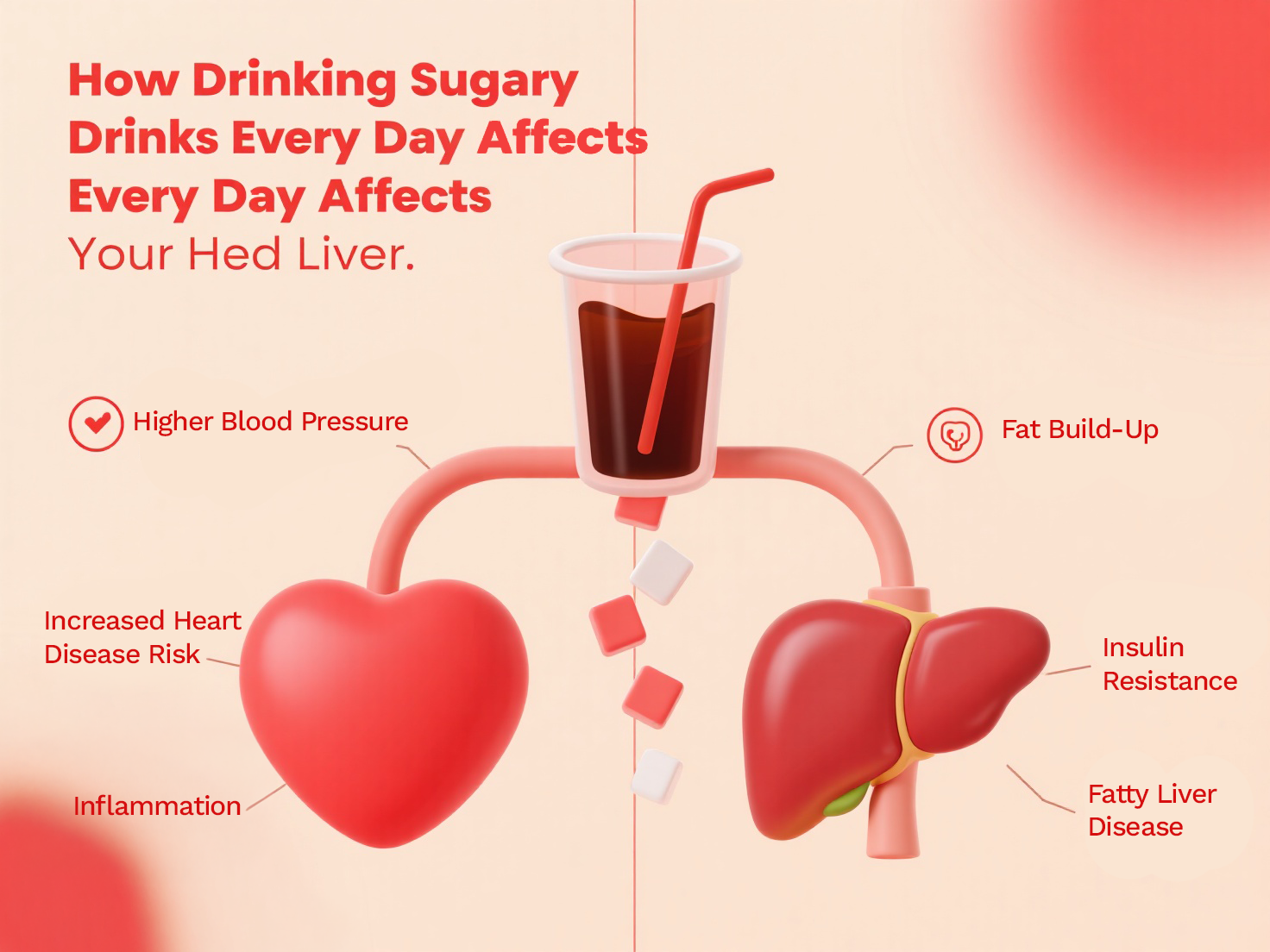
At a Glance
- The Core Issue: Daily sugary drink consumption causes long-term damage to the heart and liver beyond simple calorie intake.
- Key Organs Affected: Blood vessels, heart tissue, and liver metabolic processing.
- Clinical Recommendation: Early preventive screening and gradual reduction of liquid sugar intake.
Sugary drinks are everywhere from sodas and energy drinks to those sweetened iced coffees that feel harmless at first sip. But here’s the reality: drinking them every day doesn’t just add a few extra calories. Over time, it takes a toll on your most vital organs your heart and your liver. Hospitals worldwide are seeing the long-term effects of sugar overload, and the warnings are louder than ever. Let’s break down how that daily can of soda or sweetened juice could be affecting your body in ways you might not notice until it’s too late.
Why Sugary Drinks Are a Modern Health Concern
The rise of sugary drinks has paralleled the rise of chronic diseases. Unlike the occasional treat, daily consumption of these beverages means your body is constantly processing excessive sugar. Hospitals and health organisations now link sugary drink intake to obesity, diabetes, liver disease, and cardiovascular problems. Unlike sugar in whole fruits, which comes with fiber and nutrients, liquid sugar hits the bloodstream quickly, spiking insulin and straining organs.
What Counts as a Sugary Drink?
Not all beverages with sugar are obvious. While sodas are the main culprit, sweetened teas, flavored waters, energy drinks, sports drinks, and even fruit juices often contain as much sugar as a can of cola. For example, a typical energy drink can pack over 40 grams of sugar, which is 10 teaspoons in a single serving. This hidden sugar load makes daily consumption dangerous, especially when people don’t realise how much they’re drinking.
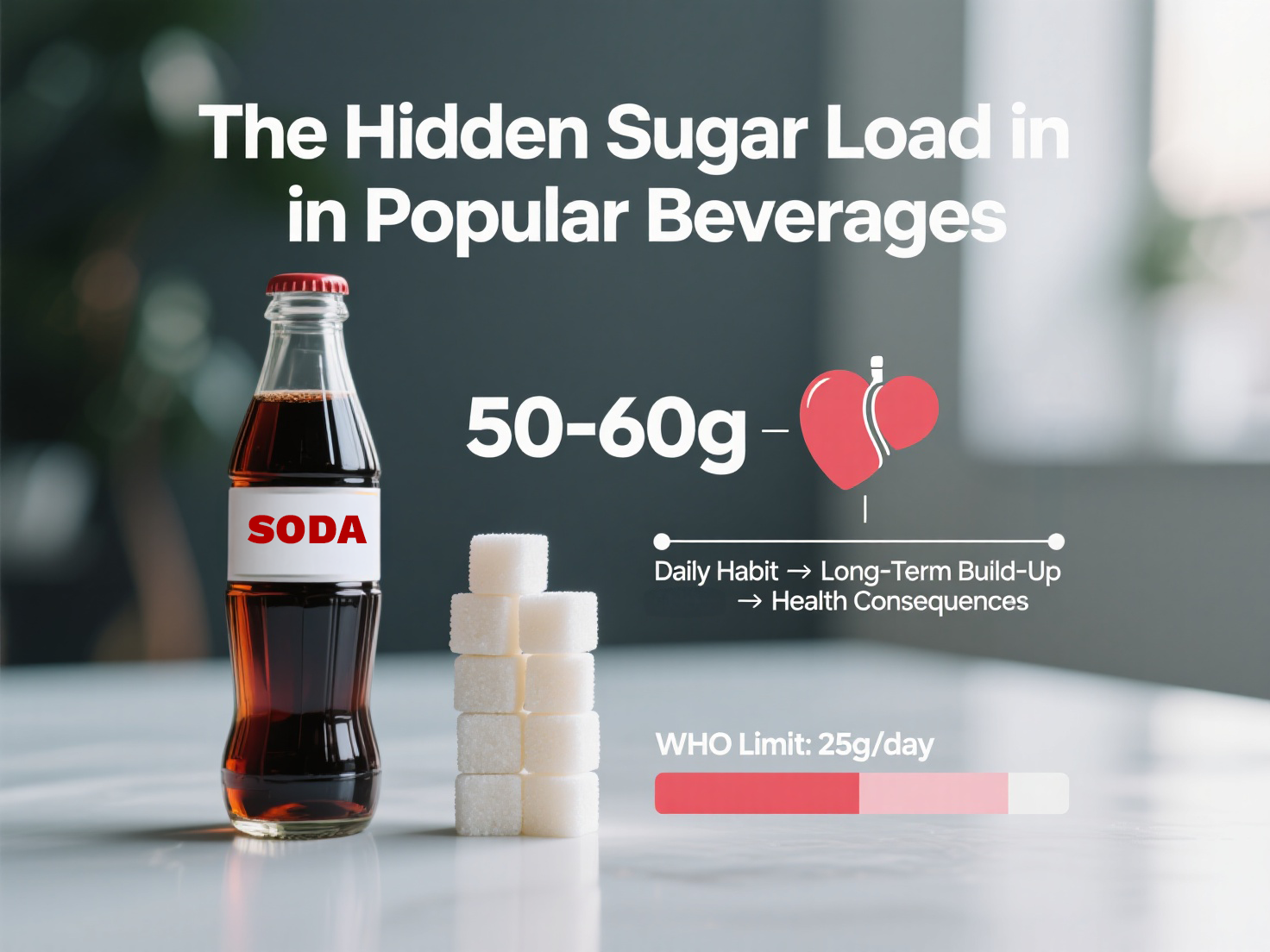
The Hidden Sugar Load in Popular Beverages
A 500 ml bottle of soda contains about 50–60 grams of sugar. To put that into perspective, the World Health Organization (WHO) recommends limiting added sugar to less than 25 grams per day for optimal health. Drinking just one soda can double or even triple your daily sugar allowance in minutes. Now imagine drinking one or two every day for years the sugar builds up, and so do the health consequences.
Beverage Sugar Load vs. WHO Guidelines
| Beverage Category | Serving Context | Sugar Load | Recommended Daily Limit (WHO) |
|---|---|---|---|
| 500 ml Bottle of Soda | Standard single bottle | 50–60 grams | < 25 grams per day |
| Typical Energy Drink | Single serving | Over 40 grams (10 tsp) | < 25 grams per day |
How Excess Sugar Affects the Heart
Daily sugary drinks don’t just add empty calories; they change how your heart functions over time.
- The Link Between Sugary Drinks and High Blood Pressure: Excess sugar, especially fructose, is linked to higher blood pressure. When your body processes sugar, it increases uric acid levels, which stiffens blood vessels and raises hypertension risk.
- The Role of Sugar in Heart Disease: Hospitals report that people who consume sugar-sweetened beverages daily are more likely to develop heart disease. The sugar overload promotes inflammation in blood vessels, encourages plaque buildup, and increases the likelihood of heart attacks.
- Impact on Cholesterol and Triglycerides: Sugary drinks raise triglyceride levels while lowering “good” HDL cholesterol. This imbalance sets the stage for atherosclerosis the narrowing of arteries that leads to heart attacks and strokes.
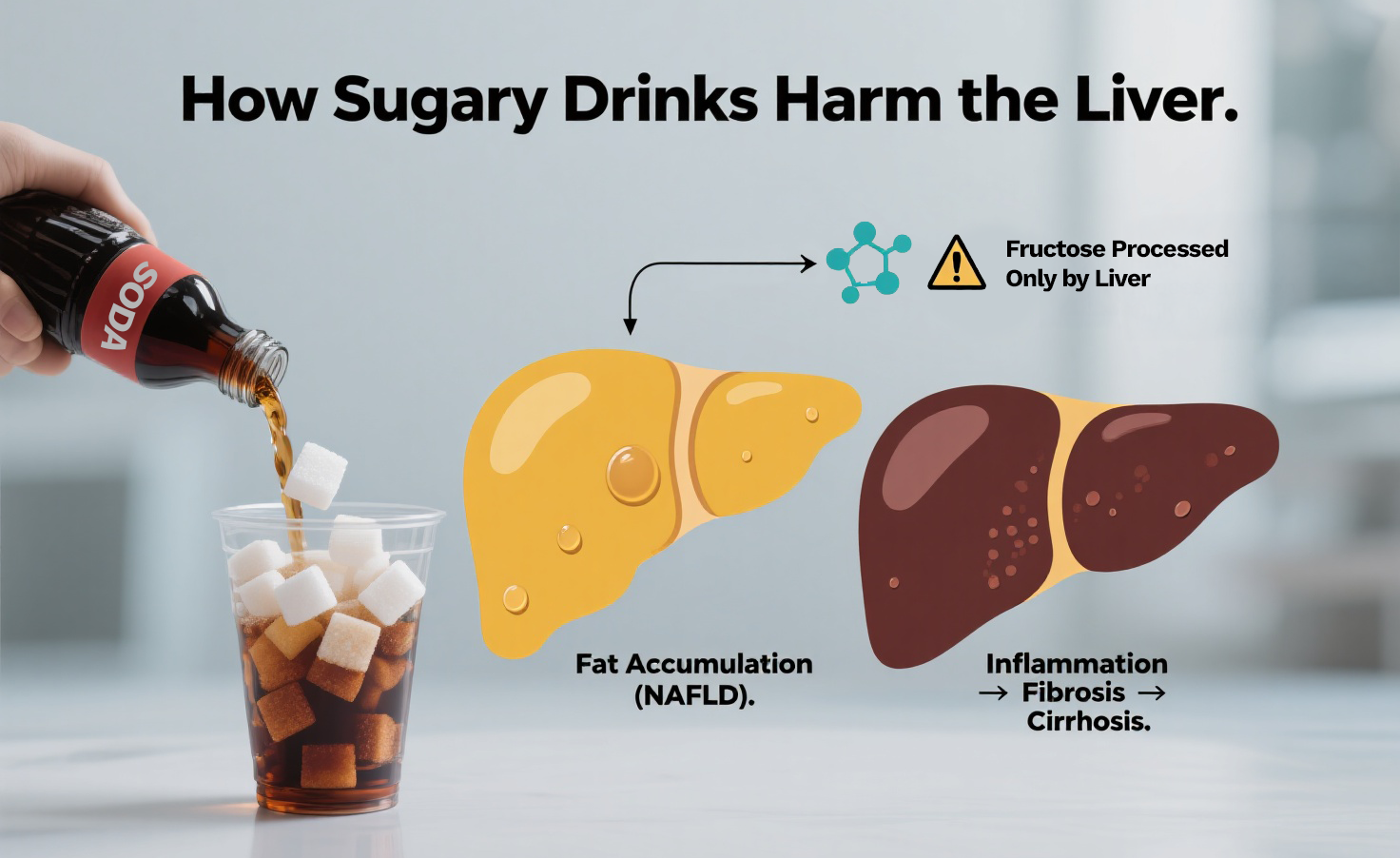
How Sugary Drinks Harm the Liver
The liver is like your body’s sugar processing plant. When you flood it with liquid sugar daily, it becomes overwhelmed.
- Fructose and Non-Alcoholic Fatty Liver Disease: Fructose, the main sugar in sodas and sweetened juices, is metabolised only by the liver. Too much leads to fat accumulation, a condition called non-alcoholic fatty liver disease (NAFLD). This disease is now common even in young adults, largely due to sugary drink consumption.
- The Path From Fatty Liver to Cirrhosis: If NAFLD progresses unchecked, it can lead to liver inflammation, fibrosis, and eventually cirrhosis permanent liver scarring. What’s scary is that many people don’t know they have liver damage until it’s advanced.
The Connection Between Obesity, Sugar, and Organ Stress
Sugary drinks are one of the biggest drivers of obesity. Liquid calories don’t make you feel full the way solid food does, so people tend to consume more. This extra weight stresses both the heart and liver. Obesity itself is a risk factor for high blood pressure, diabetes, fatty liver, and heart disease creating a vicious cycle fueled by sugar.
How Daily Sugary Drink Habits Escalate Health Risks
One soda today might not hurt you. But daily consumption leads to long-term damage. Over the years, high sugar intake increases the likelihood of metabolic syndrome a cluster of conditions including:
- High blood pressure
- Insulin resistance
- Abdominal obesity
This combination dramatically raises your risk of both heart disease and liver disease.
Do “Zero-Sugar” and Diet Drinks Solve the Problem?
Many people switch to diet sodas thinking they’re safe. While they cut calories, studies show artificial sweeteners may still affect insulin response, gut health, and cravings. In other words, they may not be the perfect solution. Hospitals encourage moderation even with diet alternatives, emphasising water, herbal teas, or naturally flavored unsweetened drinks instead.
Recommended Sugar Intake: What Experts Say
- The American Heart Association (AHA) recommends that men consume no more than 36 grams of added sugar per day and women no more than 25 grams. Just one sugary drink can exceed these limits.
- Meanwhile, the WHO emphasises that reducing added sugar to less than 10% of daily calories ideally closer to 5% provides the most health benefits.
Practical Steps to Cut Down on Sugary Drinks
Reducing sugary drinks doesn’t mean you have to quit cold turkey. Small, sustainable changes make a big difference.
- Healthier Beverage Alternatives: Swap sodas for sparkling water with a splash of lemon, unsweetened iced tea, or infused water with fruits like cucumber or berries. These options satisfy cravings without flooding your body with sugar.
- Gradual Reduction Strategies: Cut back slowly if quitting feels tough. For instance, replace one sugary drink a day with water. Over time, your taste buds adjust, and cravings for overly sweet beverages decrease naturally.
Clinical Care & Hospital Support
How Hospitals Help Patients With Sugar-Related Diseases
Hospitals now treat rising cases of heart disease, fatty liver, and diabetes directly linked to sugary drink overconsumption. Through education, nutrition counseling, and early screening, doctors help patients reverse damage before it’s too late. For example, patients with fatty liver disease often benefit from lifestyle changes guided by medical experts.
Why Northern Heart Hospital Stresses Prevention
At Northern Heart Hospital, specialists see firsthand the harm caused by daily sugary drink intake. Their cardiologists and liver specialists emphasise prevention through regular screenings, patient education, and lifestyle counseling. With modern diagnostic tools and a dedicated care team, they help patients protect their hearts and livers long before severe disease develops.
Conclusion
That daily soda or sweetened latte might seem harmless, but over time, it’s like rust slowly eating away at your heart and liver. The sugar overload increases blood pressure, disrupts cholesterol, promotes fatty liver, and fuels obesity. The good news? You can take control. By cutting back on sugary drinks, choosing healthier alternatives, and staying proactive with hospital screenings, you can protect your body for the long haul. Your heart and liver deserve better than a daily sugar bath give them the care they need.
Frequently Asked Questions
Occasional consumption is less harmful, but experts recommend limiting to fewer than 2–3 per week.
Exercise helps, but it cannot fully undo the damage caused by daily sugar overload.
Not always. Many juices contain as much sugar as soda drinks, especially if not freshly squeezed.
Improvements in blood sugar and liver function can be seen within weeks of reducing intake.
Yes. Children are especially vulnerable to obesity, diabetes, and fatty liver from sugary drinks, and hospitals strongly advise against daily consumption.
About Northern Heart Hospital Penang
Founded in 2018, it is the first and only purpose-built cardiac and vascular specialist hospital in Penang and northern Malaysia, led by highly reputable and experienced clinicians, providing comprehensive heart and vascular care under one roof in the heart of George Town.
- Clinical Expertise: Tailored post-operative nutrition and rehabilitation plans.
- Comprehensive Care: Access to leading cardiac and vascular specialists under one roof.
Schedule an appointment with our specialists today if you have concerns regarding your cardiovascular health.
Disclaimer: This content is for educational and informational purposes only and does not substitute for professional medical advice, diagnosis, or treatment. Always consult a qualified healthcare provider regarding a medical condition.