
Medically reviewed by Dr. Barakath Badusha Bin Abdul Kareem, Consultant Cardiologist
Authority: Northern Heart Hospital Penang
Published: 28 March 2026 | Last updated: 25 June 2026
At a Glance
- Shift to Minimally Invasive Care: Modern treatments mean smaller incisions, less surgical trauma, and faster recovery times for elderly patients.
- Restoring Daily Independence: Advanced therapies focus on relieving symptoms like breathlessness and exhaustion, helping seniors return to daily hobbies.
- Multidisciplinary Expertise: Complex senior heart care at Northern Heart Hospital Penang combines the insights of leading cardiologists, imaging specialists, and vascular surgeons.
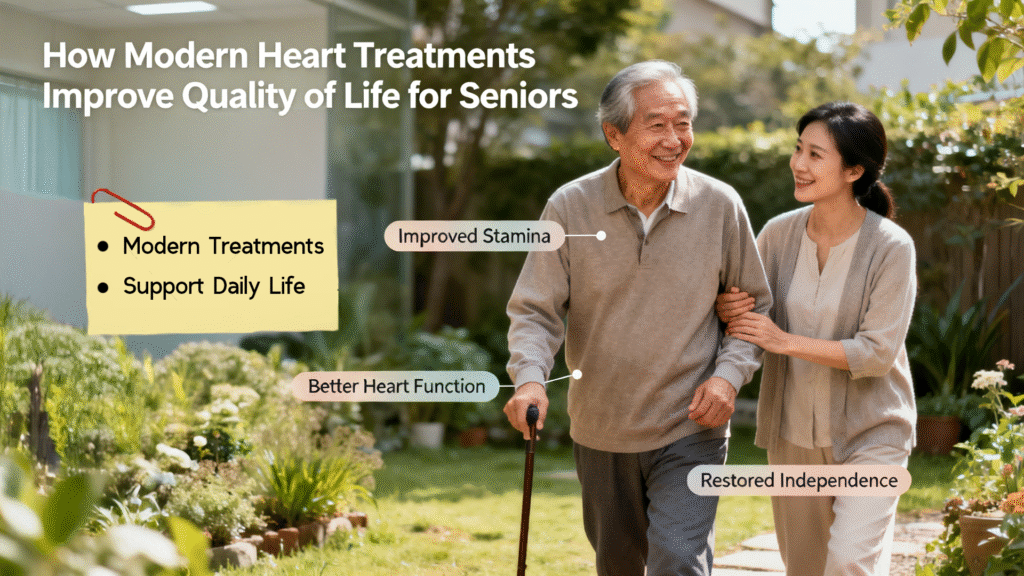
Growing older brings wisdom, memories, and life experience. But it can also bring cardiovascular challenges that slowly chip away at independence and comfort. For many seniors, heart disease does not just affect lifespan. It affects how life is lived each day. Simple activities like walking to the garden, climbing stairs, or playing with grandchildren may become exhausting.
Modern heart treatments have transformed this reality. Today’s therapies are not only designed to prolong survival but to restore dignity, mobility, and emotional wellbeing. With advanced diagnostics, minimally invasive procedures, and personalised care plans, seniors can regain energy and return to the rhythms of life they love.
The Changing Landscape of Senior Heart Care
Cardiology has evolved dramatically over the past two decades. Treatments that once required major surgery, prolonged hospitalisation, and difficult recovery periods can now be performed through catheter based or image guided techniques.
For seniors, this shift is life changing. Reduced surgical trauma means faster healing, lower complication risk, and earlier return to daily routines. Instead of fearing treatment, many elderly patients now embrace it as a pathway back to independence.
Common Heart Conditions Affecting Seniors
Aging hearts face structural and electrical changes. Arteries stiffen, valves calcify, and conduction pathways slow. These biological shifts increase susceptibility to coronary artery disease, arrhythmias, and heart failure.
Recognising these patterns early allows physicians to intervene before limitations become permanent. Modern care focuses on stabilising function while preserving quality of life.
1. Coronary Artery Disease and Circulation Decline
Blocked coronary arteries frequently restrict oxygen supply to aging heart muscle. When blood flow is restored through modern interventions, seniors often experience dramatic relief from chest discomfort and fatigue.
Experts such as Dr. Tan Chiang Soo, Dr. Barakath Badusha Bin Abdul Kareem, Dr. Chen Lean Seng, Dr. Mugilan Sundarajoo and Dr. Donald Ang Swee Cheng frequently manage blocked coronary arteries that restrict oxygen supply to aging heart muscle.

2. Irregular Heart Rhythms & Electrical Coordination
Irregular heart rhythms can cause dizziness, fainting, and reduced stamina. Pacemakers restore electrical coordination, ensuring the heart beats at an appropriate rate.
Once implanted, many seniors describe renewed mental clarity and physical energy because consistent circulation supports brain and organ function.
3. Valve Repair and Replacement Innovations
Valve disease can leave seniors breathless and fatigued. Modern valve therapies restore forward blood flow without requiring extensive surgical incisions.
Procedures such as transcatheter aortic valve implantation allow physicians to replace diseased valves through vascular access, dramatically improving endurance and comfort.
4. Heart Failure Management and Functional Recovery
Heart failure does not mean life must slow to a halt. Contemporary treatment combines medication optimisation, device therapy, and lifestyle coaching.
With proper management, fluid balance improves, breathing stabilises, and hospital readmissions decline. Seniors regain the ability to engage socially and physically.
Minimally Invasive Procedures That Reduce Recovery Time
Traditional open heart surgery remains essential in certain cases, but many seniors now benefit from less invasive alternatives. Angioplasty, transcatheter valve replacement, and catheter ablation can be performed through small vascular access points.
These techniques reduce pain, shorten hospital stays, and allow elderly patients to mobilise quickly, preserving muscle strength and confidence.
Advanced Cardiac Imaging for Procedure Planning
Detailed visualisation ensures therapies are precisely matched to each senior’s anatomy, improving safety and long term success.
Diagnostic specialists including Dr. Barakath Badusha Bin Abdul Kareem utilise high resolution imaging to guide treatment decisions.
The Northern Heart Hospital Multidisciplinary Approach
Senior cardiac care often involves collaborative input from clinical leaders to ensure that frailty, comorbidities, and rehabilitation needs are addressed holistically rather than in isolation.
Expert Panel & Clinical Leadership
- Assoc. Prof. Dr. Edward Choke Tieng Chek, Consultant Vascular Surgeon
- Prof. Dato’ Dr. Abu Yamin Bin Khamis, Consultant Cardiothoracic Surgeon
- Prof. Dato’ Dr. Hj Basheer Ahamed Bin Abdul Kareem, Consultant Cardiothoracic Surgeon
Holistic Recovery: Mind and Body
Emotional and Psychological Benefits of Treatment
Cardiac illness affects more than the body. It influences mood, confidence, and social engagement. Seniors living with untreated heart disease often withdraw from activities due to fear or fatigue.
Successful treatment reverses this emotional burden. Patients frequently report improved optimism, restored independence, and renewed participation in family life.
Rehabilitation and Lifestyle Reintegration
Cardiac rehabilitation programs rebuild stamina gradually. Structured exercise, nutritional guidance, and counseling empower seniors to maintain treatment gains.
This phase transforms medical recovery into real world functionality, allowing patients to resume hobbies, travel, and community involvement.
Conclusion
Modern heart treatments have redefined aging. Where seniors once faced progressive limitation, they now encounter opportunity for restoration. From minimally invasive procedures to advanced imaging and coordinated rehabilitation, contemporary cardiology prioritises both longevity and life satisfaction.
With early diagnosis, personalised treatment, and structured follow up at Northern Heart Hospital Penang, seniors can reclaim independence, protect emotional wellbeing, and continue living actively. Heart care today is not only about adding years to life. It is about adding life to years.
Frequently Asked Questions
Yes, minimally invasive techniques are specifically designed to reduce surgical risk in seniors.
Recovery varies, but many resume light activities within weeks rather than months.
Yes, stabilised heart rhythms often enhance stamina and mental clarity.
Rehabilitation strengthens recovery and helps seniors regain confidence in movement.
Absolutely. Restored physical function often reduces anxiety and social withdrawal.
About Northern Heart Hospital Penang
Founded in 2018, it is the first and only purpose-built cardiac and vascular specialist hospital in Penang and northern Malaysia, led by highly reputable and experienced clinicians, providing comprehensive heart and vascular care under one roof in the heart of George Town.
- Clinical Expertise: Tailored post-operative nutrition and rehabilitation plans.
- Comprehensive Care: Access to leading cardiac and vascular specialists under one roof.
Schedule an appointment with our specialists today if you have concerns regarding your cardiovascular health.