Northern Heart Hospital Penang

Category: Health Care

  • MitraClip: A Minimally-Invasive Solution for Heart Valve Disease

    MitraClip: A Minimally-Invasive Solution for Heart Valve Disease

    MitraClip A Minimally-Invasive Solution for Heart Valve Disease

    Heart disease continues to be a significant health concern in Malaysia, affecting individuals across age groups and lifestyles. Among these conditions, problems involving the heart valves can quietly progress until symptoms begin to interfere with daily life. At Northern Heart Hospital Penang, advances in medical technology now offer patients less-invasive options that can make a meaningful difference in both recovery and long-term wellbeing.

    MitraClip is one such innovation. It provides an option for treating mitral valve disease without the need for open-heart surgery, offering new possibilities for patients who may otherwise face limited treatment choices.

    Understanding the mitral valve and its role

    The mitral valve sits between the left atrium and left ventricle of the heart. Its role is to ensure that blood flows in a single direction as the heart pumps efficiently.

    When the valve does not close properly, blood leaks backwards into the left atrium. This condition, known as mitral regurgitation, can place increasing strain on the heart over time. As the heart works harder to compensate, its function may gradually weaken.

    Patients may begin to notice symptoms such as breathlessness during activity or even at rest, persistent fatigue, reduced stamina, or swelling in the legs and ankles. Some may also experience palpitations or difficulty lying flat due to shortness of breath.

    Mitral regurgitation is relatively common, particularly among older adults or individuals with underlying heart conditions. In some cases, it develops due to age-related changes in the valve. In others, it may be linked to structural or functional heart disease.

    Recognising symptoms early and seeking timely assessment can play an important role in preventing progression and maintaining heart health.

    What is MitraClip?

    INFO BOX: QUICK FACTS ABOUT MITRACLIPMinimally invasive procedure with no open-heart surgeryAccessed through a small puncture in the groinTypically completed within a few hoursMost patients discharged within a few daysDesigned to reduce symptoms and improve heart function

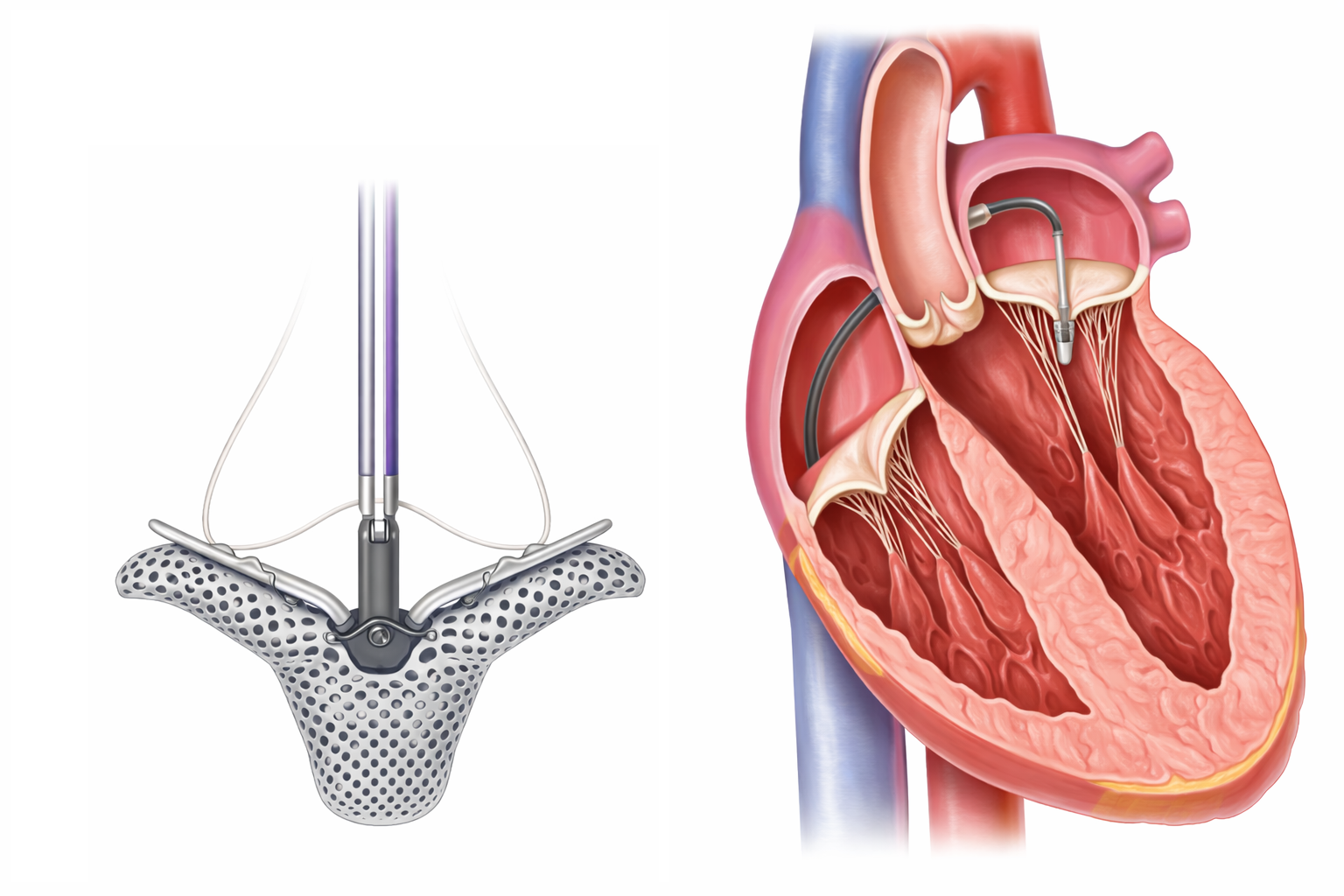
    MitraClip is a minimally-invasive procedure designed to repair a leaking mitral valve. Instead of traditional open-heart surgery, the procedure is performed using a catheter inserted through a vein in the groin and guided to the heart.

    With the help of advanced imaging, a small clip is positioned on the mitral valve. This clip helps the valve leaflets come together more effectively, reducing the backward flow of blood and improving overall heart function.

    The procedure is carried out in a specialised setting using real-time imaging to ensure accuracy and safety. As it does not require opening the chest or stopping the heart, it is generally associated with less physical stress compared to surgical repair.

    For many patients, this approach offers a balance between effective treatment and a less demanding recovery process.

    Benefits of MitraClip

    1. A gentler alternative to surgery

    For patients who may be concerned about or unsuitable for open-heart surgery, MitraClip offers a less-invasive option that avoids major incisions and reduces overall physical strain.

    • Faster recovery and shorter hospital stay

    Recovery is generally quicker compared to conventional surgery. Many patients are able to return to their daily routines sooner, with guidance from their care team.

    • Symptom relief

    Reducing mitral regurgitation can lead to meaningful improvements in symptoms. Patients often notice less breathlessness and improved energy levels.

    • Improved quality of life

    As symptoms improve, patients may regain the ability to carry out everyday activities with greater ease and confidence.

    • Reduced risk of hospitalisation

    For individuals with heart failure linked to mitral regurgitation, treatment may help reduce the need for repeated hospital admissions.

    • Suitable for high-risk patients

    MitraClip expands treatment possibilities for those who may not be suitable for surgery due to age or other medical conditions.

    Expertise at Northern Heart Hospital Penang

    Northern Heart Hospital Penang combines advanced medical technology with a patient-centred approach to deliver specialised cardiac care.

    At the centre of its MitraClip programme is Dr. Chen Lean Seng, a consultant cardiologist with specialised expertise in structural heart interventions. With extensive training and experience, he plays a key role in delivering this advanced procedure with precision and care.

    Supporting him is a team of highly trained experts at Northern Heart Hospital Penang, including cardiologists, cardiac imaging specialists, anaesthetists, nurses, and rehabilitation

    INFO BOX: WHO MIGHT BENEFIT FROM MITRACLIP?You may be considered for MitraClip if you:Have moderate to severe mitral regurgitationExperience symptoms such as breathlessness or fatigueAre at higher risk for open-heart surgeryHave not achieved sufficient improvement with medication aloneA detailed assessment at Northern Heart Hospital Penang helps determine the most appropriate treatment approach.

    professionals. This multidisciplinary team works closely together to ensure that each patient receives coordinated and comprehensive care.

    From initial assessment to post-procedure recovery, the focus remains on delivering safe, personalised treatment tailored to each individual’s condition and needs.

    A patient story: Soendarshih’s journey

    For Soendarshih, the changes began subtly. She noticed that she tired more easily than before, often needing to pause during activities that once felt effortless. Over time, breathlessness became more frequent, even during simple movements around the house.

    As her symptoms progressed, daily life became increasingly challenging. Tasks that once formed part of her routine began to feel overwhelming, and her confidence in her physical abilities started to decline.

    Seeking answers, she underwent medical evaluation and was diagnosed with mitral regurgitation. While the diagnosis provided clarity, it also brought uncertainty, particularly when considering treatment options.

    At Northern Heart Hospital Penang, Soendarshih received a thorough evaluation. The care team took time to explain her condition clearly and guide her through the available options. MitraClip was recommended as a suitable, less-invasive approach.

    The procedure was performed successfully, without the need for major surgery. In the days following treatment, she experienced a relatively smooth recovery.

    Over the following weeks, the improvements became more noticeable. Breathing felt easier, and the fatigue that had once limited her began to ease. She found herself gradually returning to daily activities with greater comfort.

    What to expect before, during and after the procedure

    1. Before the procedure

    Patients undergo detailed evaluation, including imaging such as echocardiography, to assess the severity of the condition. A multidisciplinary team reviews each case to ensure suitability for MitraClip.

    • During the procedure

    The procedure is performed in a specialised catheterisation laboratory. A catheter is inserted through the groin and guided to the heart, where the clip is positioned with precision using real-time imaging.

    • After the procedure

    Patients are monitored closely and typically spend a short period in hospital. Follow-up care is arranged to assess recovery and ensure optimal outcomes.

    Screening and services at Northern Heart Hospital Penang

    Early detection remains an important part of effective heart care. Northern Heart Hospital Penang offers a comprehensive range of services to support patients at every stage.

    • Comprehensive heart screening

    Screening packages are designed to assess cardiovascular health and identify potential issues early, based on individual risk profiles. See here for more details.

    • Advanced diagnostic imaging

    Technologies such as echocardiography, cardiac CT, and MRI provide detailed insights into heart structure and function, supporting accurate diagnosis and treatment planning.

    • Specialist consultation

    Patients receive guidance from experienced cardiologists, including Dr. Chen Lean Seng, to understand their condition and explore appropriate treatment options.

    • Interventional cardiology services

    A range of minimally-invasive procedures is available, ensuring that patients have access to modern treatment approaches suited to their needs.

    • Cardiac rehabilitation and follow-up

    Structured rehabilitation and ongoing care support recovery and help patients maintain long-term heart health.

    Moving forward with confidence

    INFO BOX: WHY PATIENTS CHOOSE NORTHERN HEART HOSPITAL PENANG?Dedicated cardiac and vascular specialist hospitalAccess to minimally invasive heart treatmentsExperienced doctors and multidisciplinary care teamsPersonalised treatment planningContinuity of care from screening to recovery

    Living with a heart condition can bring uncertainty, especially when symptoms begin to affect daily life. Developments such as MitraClip are helping to reshape how mitral valve disease is managed, offering patients a less-invasive treatment pathway.

    At Northern Heart Hospital Penang, patients are supported by experienced specialists, modern technology, and a coordinated care approach that focuses on both treatment and recovery.

    If you are experiencing symptoms such as breathlessness, fatigue, or reduced activity levels, seeking early evaluation can make an important difference. With appropriate care and timely intervention, it is possible to manage heart valve conditions and maintain a good quality of life!

  • Leaky Heart Valve: Symptoms, Causes and Treatment

    Leaky Heart Valve: Symptoms, Causes and Treatment

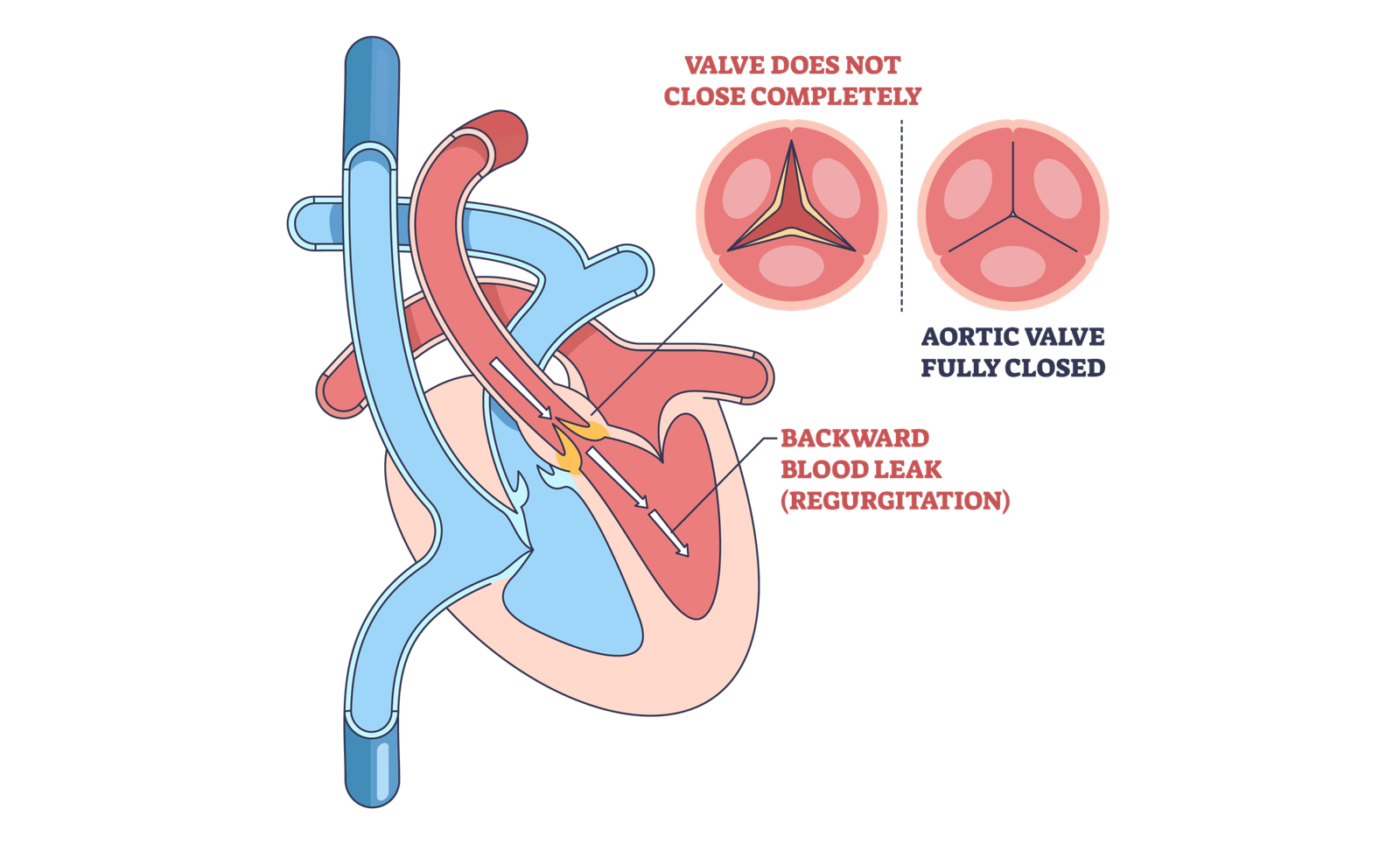
    Your heart works continuously to pump blood throughout your body, and its valves play a vital role in ensuring blood flows in the correct direction. When one of these valves does not close properly, blood can leak backwards. This condition is known as a leaky heart valve, or valve regurgitation.

    At Northern Heart Hospital Penang, early detection and expert care are central to managing heart valve conditions effectively. With a dedicated Heart Valve Clinic, advanced diagnostic technology and a multidisciplinary team, patients receive comprehensive, personalised care at every stage of their journey.

    Understanding the heart valves

    The heart has four valves: the mitral, tricuspid, aortic and pulmonary valves. These valves open and close with every heartbeat, directing blood through the heart’s chambers and out to the rest of the body.

    A healthy valve closes tightly after blood passes through it. When a valve becomes weakened or damaged, it may not close fully. This allows blood to flow backwards, forcing the heart to work harder to maintain proper circulation.

    Over time, this added strain can lead to enlargement of the heart and reduced pumping efficiency.

    What is a leaky heart valve?

    A leaky heart valve occurs when one or more of the heart valves fail to close completely. This results in regurgitation, where blood flows in the opposite direction of normal circulation.

    INFO BOX: When should you seek medical attention?Seek medical evaluation if you experience:Sudden or worsening breathlessness Persistent fatigue affecting daily activities Swelling in the legs or abdomen Rapid or irregular heartbeat Early assessment at Northern Heart Hospital Penang can help detect valve problems before complications arise.

    The severity of the condition can vary. Some individuals may have mild leakage without noticeable symptoms, while others develop significant regurgitation that affects heart function and overall health.

    The mitral and aortic valves are most commonly affected, although any valve can be involved.

    Why does it matter?

    In mild cases, a leaky valve may not cause immediate problems. However, as the condition progresses, the heart must compensate for inefficient blood flow. Over time, this can lead to:

    • Enlargement of the heart
    • Reduced pumping efficiency
    • Irregular heart rhythms
    • Fluid accumulation in the lungs or body
    • Heart failure in severe cases

    This highlights the importance of early detection and timely management.

    Common symptoms to watch for

    Symptoms often develop gradually and may not be noticeable in the early stages. As the condition progresses, patients may experience:

    • Shortness of breath, especially during activity or when lying down
    • Fatigue or reduced exercise tolerance
    • Palpitations or irregular heartbeat
    • Swelling in the ankles, feet or abdomen
    • Chest discomfort
    • Lightheadedness or fainting in more advanced cases

    Because these symptoms can overlap with other heart conditions, proper evaluation at Northern Heart Hospital Penang is essential for an accurate diagnosis.

    Causes of a leaky heart valve

    A leaky heart valve can develop due to a range of underlying conditions.

    • Age-related degeneration: With age, heart valves may become stiff, thickened or weakened, leading to leakage.
    • Mitral valve prolapse: The valve flaps bulge backwards, preventing proper closure.
    • Heart infections: Conditions such as infective endocarditis can damage the valves.
    • Rheumatic heart disease: A complication of untreated infections that can cause lasting valve damage.
    • Heart attack or cardiomyopathy: Damage to the heart muscle can affect valve function.
    • Congenital heart defects: Some individuals are born with abnormal valve structures.
    • High blood pressure: Long-term hypertension can place strain on the heart and its valves.

    Types of valve regurgitation

    • Mitral regurgitation

    The most common form, where blood leaks back into the left atrium.

    • Aortic regurgitation

    Blood flows back into the left ventricle, often causing gradual enlargement of the heart.

    • Tricuspid regurgitation

    Typically associated with enlargement of the right side of the heart.

    • Pulmonary regurgitation

    Less common and often linked to congenital conditions.

    How is it diagnosed?

    At Northern Heart Hospital Penang, diagnosis begins with a thorough clinical assessment, followed by advanced investigations.

    Comprehensive diagnostic services include:

    • Echocardiogram
      The primary tool used to evaluate valve structure and function.
    • Advanced cardiac imaging

    Provides detailed assessment of valve severity and heart performance.

    • INFO BOX: The role of cardiac imagingAt Northern Heart Hospital Penang, cardiac imaging helps to:
      • Detect early valve abnormalities
      • Accurately assess severity
      • Guide treatment decisions
      • Monitor disease progression over time
      Electrocardiogram (ECG)

    Identifies abnormal heart rhythms.

    • Chest X-ray

    Detects heart enlargement or fluid buildup.

    • Cardiac MRI and CT scans

    Used for more complex or detailed evaluation.

    These services are integrated within the Heart Valve Clinic, ensuring efficient and coordinated care.

    Treatment options for a leaky heart valve

    Treatment depends on the severity of the condition, symptoms and overall heart health.

    • Monitoring and preventive care

    Mild cases may only require regular follow-up at the Heart Valve Clinic. Patients are guided on lifestyle measures and ongoing monitoring.

    • Medications

    Medications help manage symptoms and reduce strain on the heart. These may include diuretics, blood pressure medications and heart rhythm control drugs.

    • Minimally-invasive procedures

    Northern Heart Hospital Penang offers minimally-invasive interventions for suitable patients. These approaches involve smaller incisions and shorter recovery times compared to traditional surgery.

    • Surgical treatment

    For more severe cases, surgical repair or replacement may be required. Both minimally-invasive surgery and open-heart surgery are available, depending on the patient’s condition.

    The Heart Valve Clinic at Northern Heart Hospital Penang

    Northern Heart Hospital Penang provides a dedicated Heart Valve Clinic designed to deliver seamless, patient-centred care.

    Key features of the clinic:

    • Comprehensive evaluation in a single location
    • Coordinated care across multiple specialists
    • Personalised treatment plans
    • Access to advanced diagnostic and surgical technologies
    • Structured long-term follow-up programmes

    This integrated approach ensures patients receive timely and effective care throughout their treatment journey.

    Multidisciplinary expertise you can trust

    Heart valve disease often requires input from multiple specialists. At Northern Heart Hospital Penang, patients benefit from a collaborative team approach.

    Specialist in cardiac imaging, ensuring precise diagnosis and guiding treatment planning.

    Expert in minimally-invasive cardiac surgery, focusing on advanced techniques that promote faster recovery and reduced surgical trauma.

    Specialist in cardiothoracic and open-heart surgery, managing complex cases requiring surgical intervention.

    This multidisciplinary collaboration allows each patient to receive care tailored to their specific condition.

    Advanced procedures and services at Northern Heart Hospital Penang

    Northern Heart Hospital Penang offers a full spectrum of treatment options for heart valve disease.

    • Valve repair

    Whenever possible, preserving the patient’s natural valve is prioritised, as this often provides better long-term outcomes.

    • Valve replacement

    When repair is not feasible, replacement with biological or mechanical valves is considered based on individual needs.

    • Minimally-invasive cardiac surgery

    These procedures involve smaller incisions, resulting in less pain, shorter hospital stays and faster recovery.

    • Open-heart surgery

    For complex or advanced cases, open-heart surgery provides a safe and effective treatment option, supported by experienced cardiothoracic surgeons.

    INFO BOX: Benefits of early treatmentEarly treatment can:Prevent progression to heart failureReduce the risk of complicationsImprove quality of lifeEnable access to less invasive treatment options

    Integrated perioperative care

    Patients receive comprehensive care from pre-surgical assessment to post-operative recovery and rehabilitation.

    • Long-term follow-up

    Ongoing monitoring ensures sustained heart health and early detection of any changes.

    Living with a leaky heart valve

    Many individuals with mild valve leakage can lead active lives with regular monitoring. Staying engaged in your care is essential.

    Practical tips:

    • Attend regular follow-ups at Northern Heart Hospital Penang
    • Take medications as prescribed
    • Maintain a balanced diet and active lifestyle
    • Monitor for new or worsening symptoms

    Patients who undergo procedures at Northern Heart Hospital Penang benefit from structured follow-up care that supports recovery and long-term wellbeing.

    Specialist care tailored to you

    If you have been diagnosed with a heart murmur, experience unexplained symptoms or have risk factors for heart disease, it is advisable to seek specialist evaluation.

    Northern Heart Hospital Penang provides expert assessment, advanced diagnostics and personalised treatment plans, ensuring patients receive high-quality, comprehensive care.

    With early detection and appropriate care, a leaky heart valve is a condition that is highly manageable. Northern Heart Hospital Penang offers a dedicated Heart Valve Clinic, advanced diagnostic capabilities and a multidisciplinary team committed to delivering personalised, evidence-based care.

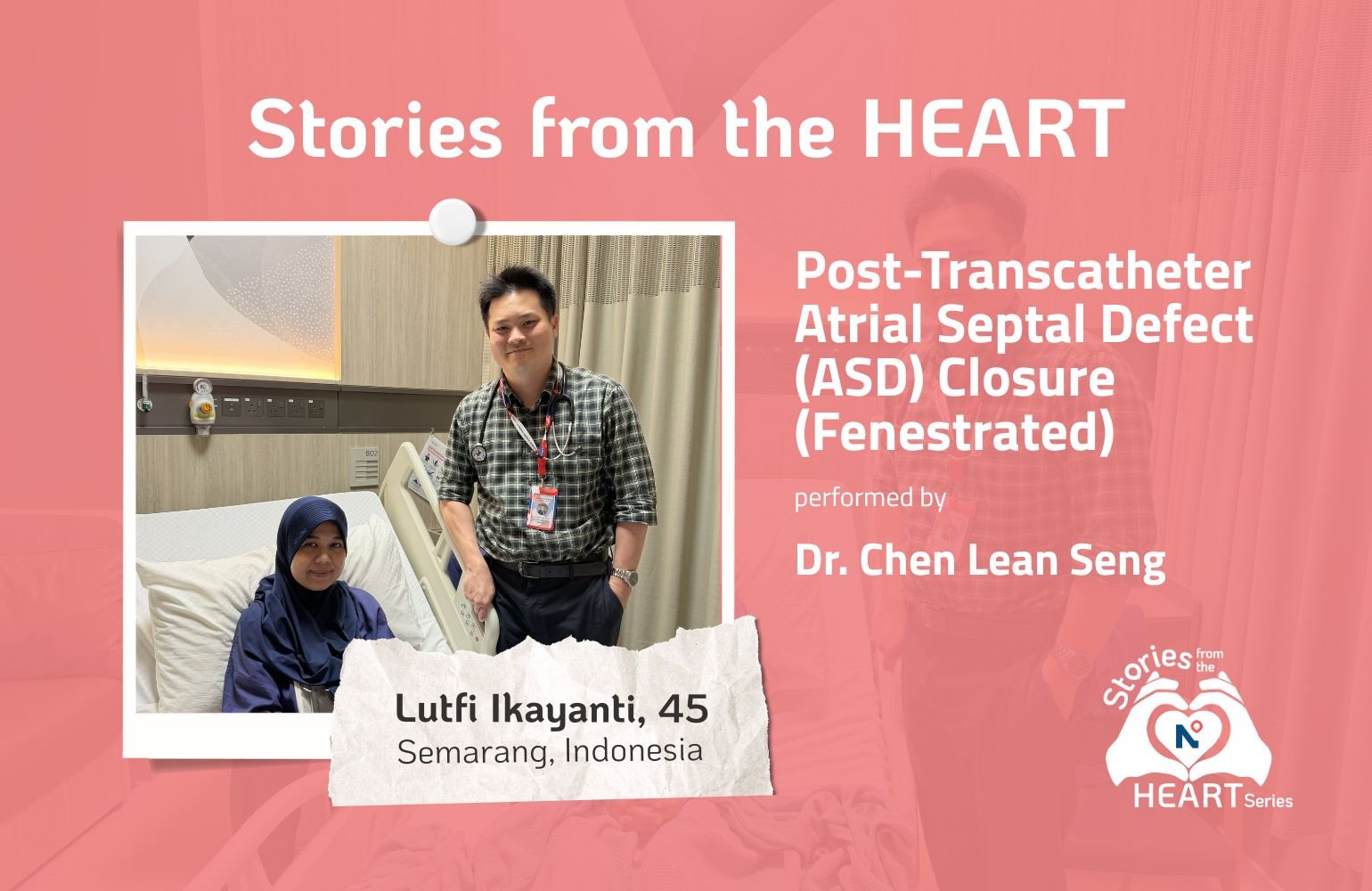
  • Stories from the HEART: Lutfi’s Journey

    Stories from the HEART: Lutfi’s Journey

    Condition: Atrial Septal Defect (ASD)
    Procedure: Post-Transcatheter Atrial Septal Defect (ASD) Closure (Fenestrated)
    Performed by: Dr. Chen Lean Seng, Consultant Cardiologist

    Living with a Lifelong Condition

    Lutfi had lived with a congenital heart defect since birth. As she grew older, the symptoms worsened. Breathlessness after only a few steps, exhaustion from climbing stairs, and at times even needing a wheelchair. Daily life became increasingly difficult, and she knew she needed to find a lasting solution. Determined, she came to Penang in search of the right expertise.

    Finding the Right Specialist

    Her first encounter at Northern Heart Hospital Penang was with Dr. Tuan Jiun Haur (Consultant Cardiologist & Electrophysiologist) during a health screening package. After further evaluation, she was referred to Dr. Chen Lean Seng.

    From the beginning, Lutfi felt reassured. “Dr. Chen was frank yet reassuring. He explained my condition in a way that did not shock me, but instead gave me hope and confidence,” she recalled. The clinic assistants and nurses were equally supportive, making her feel truly cared for.

    Guided Step by Step

    Before the procedure, Lutfi began with medication and lab tests in Indonesia. Throughout this period, she communicated with Dr. Chen via email. His responsiveness and clear guidance gave her confidence. “He was very communicative, guiding me step by step,” she said.

    This constant communication helped her prepare mentally and physically. Even though she was far away, she felt connected to her doctor and supported by the hospital team.

    Teamwork That Inspires Confidence

    What impressed Lutfi most was the teamwork at Northern Heart Hospital Penang. Even though she first came to see another doctor, she was referred to the right specialist with the right expertise. “Before, I thought all heart doctors were the same. Now I know there are subspecialties, and this hospital ensures patients are guided to the right one,” she said.

    This referral system gave her confidence that patients are not just treated, they are matched with the exact expertise they need. For Lutfi, this was proof that NHH’s strength lies not only in its doctors but in the way they work together as a team.

    Recovery and Reflection

    After the procedure, Lutfi entered a recovery phase filled with hope. She noticed improvements in her breathing and energy levels, and she was able to walk more comfortably. The nurses continued to encourage her during follow‑up visits, reminding her that recovery is a journey, not a single step.

    She reflected on how different her life might have been if she had delayed treatment. “I used to think breathlessness was just part of my condition, something I had to live with. But now I know that with the right doctor and the right hospital, there is always a way forward,” she said.

    Advice to Others

    Lutfi’s message is simple: “Don’t wait until it’s too late. Seek the right doctor, and if you’re unsure, go to the right place like this hospital, where you will be matched with the expertise you truly need.”

    She emphasizes that patients should not assume all cardiologists are the same. Subspecialties matter, and finding the right expertise can change the outcome entirely.

  • Heart Arrhythmia: Symptoms, Causes and Treatment

    Heart Arrhythmia: Symptoms, Causes and Treatment

    The human heart beats in a steady, coordinated rhythm that keeps blood circulating efficiently throughout the body. This rhythm is controlled by a complex electrical system that signals the heart when to contract and relax. When this system is disrupted, the result is a heart rhythm disorder known as arrhythmia.

    At Northern Heart Hospital Penang, arrhythmia care is a key focus, supported by advanced diagnostics, specialised expertise and a dedicated Atrial Fibrillation (AF) & Arrhythmia Clinic. Understanding arrhythmia is the first step towards recognising symptoms early and seeking timely, effective care.

    What is a heart arrhythmia?

    A heart arrhythmia refers to any irregularity in the heartbeat. This could mean the heart beats too fast, too slow, or in an uncoordinated way.

    In a normal heart rhythm, known as sinus rhythm, electrical signals originate from the sinus node and travel through the heart in an organised manner. This ensures that the upper and lower chambers contract in sequence, maintaining efficient blood flow.

    In arrhythmia, these signals become disrupted. The result can be:

    • Tachycardia: a heart rate that is too fast
    • Bradycardia: a heart rate that is too slow
    • Irregular rhythms: such as atrial fibrillation

    Visual comparisons of these rhythms often show how a normal, evenly spaced heartbeat differs from the chaotic or delayed patterns seen in arrhythmias.

    Types of heart rhythms

    To better understand arrhythmia, it helps to compare the main rhythm types:

    • Normal sinus rhythm

    A steady, regular heartbeat, typically between 60 and 100 beats per minute.

    • Tachycardia
      A fast heart rate, usually above 100 beats per minute, which may feel like palpitations or pounding.
    • Bradycardia
      A slow heart rate, usually below 60 beats per minute, which can cause fatigue or dizziness.
    • Atrial fibrillation (AF)

    The most common type of arrhythmia, characterised by rapid, irregular electrical signals in the upper chambers of the heart.

    Atrial fibrillation: The most common arrhythmia

    INFO BOX: WHY HEART RHYTHM MATTERS?A normal rhythm ensures efficient blood flow. When the rhythm becomes irregular, the heart may not pump effectively, which can lead to complications such as stroke, heart failure or reduced quality of life.

    Among all arrhythmias, atrial fibrillation, often referred to as AF, is the most frequently diagnosed. It occurs when the atria, or upper chambers of the heart, experience chaotic electrical activity. Instead of contracting properly, they quiver.

    This disruption can lead to:

    • Blood pooling in the heart
    • Formation of clots
    • Increased risk of stroke
    • Reduced cardiac efficiency

    AF may occur occasionally, persist over time, or become permanent if untreated.

    At Northern Heart Hospital Penang, the AF & Arrhythmia Clinic is specifically designed to diagnose and manage AF using advanced, evidence-based approaches.

    Symptoms of heart arrhythmia

    Symptoms of arrhythmia can vary widely. Some individuals may experience obvious signs, while others may not notice anything until complications arise.

    Common symptoms include:

    • Palpitations or a fluttering sensation in the chest
    • Rapid or slow heartbeat
    • Dizziness or light-headedness
    • Shortness of breath
    • Chest discomfort
    • Fatigue or reduced exercise tolerance
    • Fainting or near fainting episodes

    It is important to note that some arrhythmias, especially atrial fibrillation, may be silent. Regular screening becomes essential, particularly for individuals with risk factors.

    Causes and risk factors

    Arrhythmias can result from a variety of underlying conditions or triggers. These include:

    • Heart-related causes
      • Coronary artery disease
      • Heart valve disorders
      • Heart failure
      • Previous heart attack
      • Congenital heart conditions
    • Non-cardiac causes
      • High blood pressure
      • Diabetes
      • Thyroid disorders
      • Electrolyte imbalances
      • Chronic lung disease
    • Lifestyle and external factors
      • Excessive caffeine or alcohol
      • Smoking
      • Stress and anxiety
      • Certain medications

    Age is also a significant risk factor, particularly for atrial fibrillation.

    How arrhythmias are diagnosed

    Accurate diagnosis is essential for effective treatment. At Northern Heart Hospital Penang, a comprehensive range of investigation services is available, including:

    • Electrocardiogram (ECG) to record heart rhythm
    • Exercise stress testing to identify abnormal heart rhythms
    • Holter monitoring for continuous rhythm tracking
    • Electrophysiology studies (EPS) to assess electrical pathways
    • Event/implantable loop recorders for long-term monitoring of heart electrical activity
    • Cardiac imaging such as echocardiography, CT and MRI

    These tools allow specialists to identify the exact type and cause of arrhythmia, enabling personalised treatment plans.

    Treatment options for arrhythmia

    Treatment depends on the type, severity and underlying cause of the arrhythmia. At Northern Heart Hospital Penang, a full spectrum of treatment options is offered.

    1. Lifestyle and medical management

    For mild cases, lifestyle changes and medication may be sufficient. These include:

    • Anti-arrhythmic medications
    • Anticoagulants to reduce stroke risk in AF
    • Blood pressure and diabetes control
    INFO BOX: WHEN TO SEEK MEDICAL ATTENTION?Seek prompt evaluation if you experience persistent palpitations, unexplained dizziness, fainting, or chest discomfort. Early detection significantly reduces the risk of complications such as stroke.

    2. Minimally-invasive procedures

    Modern cardiology has made significant advances in minimally invasive treatments, many of which are available at Northern Heart Hospital Penang.

    Catheter ablation is a procedure that targets and destroys abnormal electrical pathways using energy sources such as radiofrequency or pulsed-field ablation. This can restore normal rhythm and, in some cases, provide a long-term solution.

    3. Device therapy

    For patients with more complex arrhythmias, implantable devices may be recommended:

    • Pacemakers to regulate slow heart rhythms
    • Implantable cardioverter defibrillators (ICD) to prevent sudden cardiac death
    • Cardiac resynchronisation therapy (CRT) for patients with heart failure

    4. Stroke prevention strategies

    In patients with atrial fibrillation, reducing stroke risk is a priority. One advanced option is left atrial appendage closure, a procedure that prevents clot formation in a key area of the heart

    The Atrial Fibrillation (AF) & Arrhythmia Clinic at Northern Heart Hospital Penang[NK1] 

    The Atrial Fibrillation (AF) & Arrhythmia Clinic at Northern Heart Hospital Penang is a  specialised unit dedicated to diagnosing and treating heart rhythm disorders (arrhythmias). Equipped with the latest technology, the centre offers minimally invasive procedures, advanced device therapies, and lifelong follow-up care to improve patient safety, reduce stroke and heart failure risk, and enhance quality of life. In particular, this clinic also has a specialised focus on the treatment of atrial fibrillation (AF), which is the most common type of arrhythmia that we see in patients.

    The clinic combines advanced technology with a multidisciplinary approach to provide comprehensive care. Services include:

    • Advanced electrophysiology studies
    • Catheter ablation including pulsed-field ablation
    • Pacemaker and ICD implantation
    • Long-term device monitoring and programming
    • Medication management and anticoagulation therapy
    • Cardiac imaging support
    • Lifelong follow-up care

    The clinic places strong emphasis on early diagnosis, personalised treatment and long-term management to reduce the risk of stroke and heart failure.

    Expertise you can trust: A multidisciplinary approach to care

    Care at Northern Heart Hospital Penang is led by highly trained specialists, including Dr Tuan Jiun Haur, Consultant Cardiologist and Electrophysiologist.

    Dr Tuan brings extensive expertise in cardiac electrophysiology, with advanced training in the United Kingdom. His clinical focus includes:

    • Complex arrhythmia diagnosis
    • Catheter ablation procedures
    • Device implantation and management
    • Atrial fibrillation treatment strategies

    Patients benefit not only from technical expertise, but also from a patient-centred approach that prioritises safety, comfort and long-term outcomes.

    Arrhythmia management often requires collaboration across multiple specialties. Northern Heart Hospital Penang brings together a dedicated team that includes:

    • Electrophysiologist
    • Renal Physician
    • Cardiac Imaging Specialist
    • Interventional Cardiologist
    • Cardiac Anaesthesiologist
    • Specialized EP Nurses & Technician
    • ICU & Cardiac Care Specialist
    • Rehabilitation & Physiotherapy Expert
    • Clinical Pharmacist
    • Dietitian

    This integrated approach ensures that every aspect of a patient’s condition is addressed, from diagnosis to recovery and ongoing care.

    Real outcomes that matter

    Patients treated at Northern Heart Hospital Penang often report significant improvements in their quality of life.

    Examples of positive outcomes include:

    • Restore normal heart rhythm
    • Control heart rate
    • Prevent complications such as stroke
    • Improve quality of life
    • Reduction or elimination of arrhythmia episodes after catheter ablation
    • Improved energy levels and exercise tolerance
    • Lower risk of stroke through appropriate AF management
    • Greater confidence in daily activities
    INFO BOX: KEY GOALS OF ARRHYTHMIA TREATMENT?Restore normal heart rhythmControl heart ratePrevent complications such as strokeImprove quality of life

    Reduction or elimination of arrhythmia episodes after catheter ablation

    • Improved energy levels and exercise tolerance
    • Lower risk of stroke through appropriate AF management
    • Greater confidence in daily activities

    While individual results vary, the goal remains consistent: restoring the rhythm of life.

    Screening and prevention

    Early detection plays a critical role in preventing complications. Northern Heart Hospital Penang offers screening services for individuals at risk of arrhythmia, particularly those with:

    • High blood pressure
    • Diabetes
    • Family history of heart disease
    • Previous cardiac conditions

    Routine check-ups and timely investigations can identify arrhythmias before they lead to serious outcomes.

    Restoring the rhythm of life

    Heart arrhythmias can be unsettling, but they are often manageable with the right care. Advances in medical technology and specialised expertise mean that many patients can return to normal, active lives.

    At Northern Heart Hospital Penang, the focus is not only on treating the condition, but also on improving overall wellbeing. Through the Atrial Fibrillation (AF) & Arrhythmia Clinic, patients receive comprehensive, compassionate care tailored to their individual needs.

    If you or a loved one are experiencing symptoms or have concerns about heart rhythm, seeking early evaluation can make a significant difference. With the right diagnosis and treatment, it is possible to restore not just a normal heartbeat, but also peace of mind.

  • How Staying Dehydrated Can Trigger Dangerous Heart Rhythms

    How Staying Dehydrated Can Trigger Dangerous Heart Rhythms

    How Staying Dehydrated Can Trigger Dangerous Heart Rhythms

    At a Glance: Dehydration and Heart Rhythms

    Understanding the Link Between Dehydration and the Heart

    Why Proper Hydration Matters for Heart Function

    A man holding a glass of water while sitting on a couch, showing why hydration is important for heart health.

    Identifying the Warning Signs

    Dehydration as a Catalyst for Atrial Fibrillation (AFib)

    A men sitting on the chair while feeling chest tightness.

    Who is Most Vulnerable?

    Actionable Prevention & Treatment Strategies

    Expert Care at Northern Heart Hospital

    Conclusion

    Frequently Asked Questions

    Can dehydration alone cause atrial fibrillation?

    Yes, dehydration can trigger AFib by disrupting electrolytes and blood volume, though it often combines with other risk factors.

    How much water should I drink daily for heart health?

    Most adults need about 2–3 liters daily, but exact needs vary with activity, climate, and medical conditions.

    Does coffee count toward hydration?

    In small amounts, yes. But excess caffeine has a diuretic effect, which may worsen dehydration.

    What should athletes do to prevent dehydration-related arrhythmias?

    Replenish both fluids and electrolytes, especially during long or intense workouts in hot conditions.

    How do hospitals quickly stabilize arrhythmias caused by dehydration?

    Doctors often use IV fluids and electrolyte replacement alongside monitoring and, if necessary, medications to restore normal rhythm.

  • Why Hospitals Recommend Regular Health Screenings After Age 40

    Why Hospitals Recommend Regular Health Screenings After Age 40

    Why Hospitals Recommend Regular Health Screenings After Age 40

    At a Glance

    The Strategic Shift to Post-40 Preventive Healthcare

    Primary Health Risks and Screening Pathways

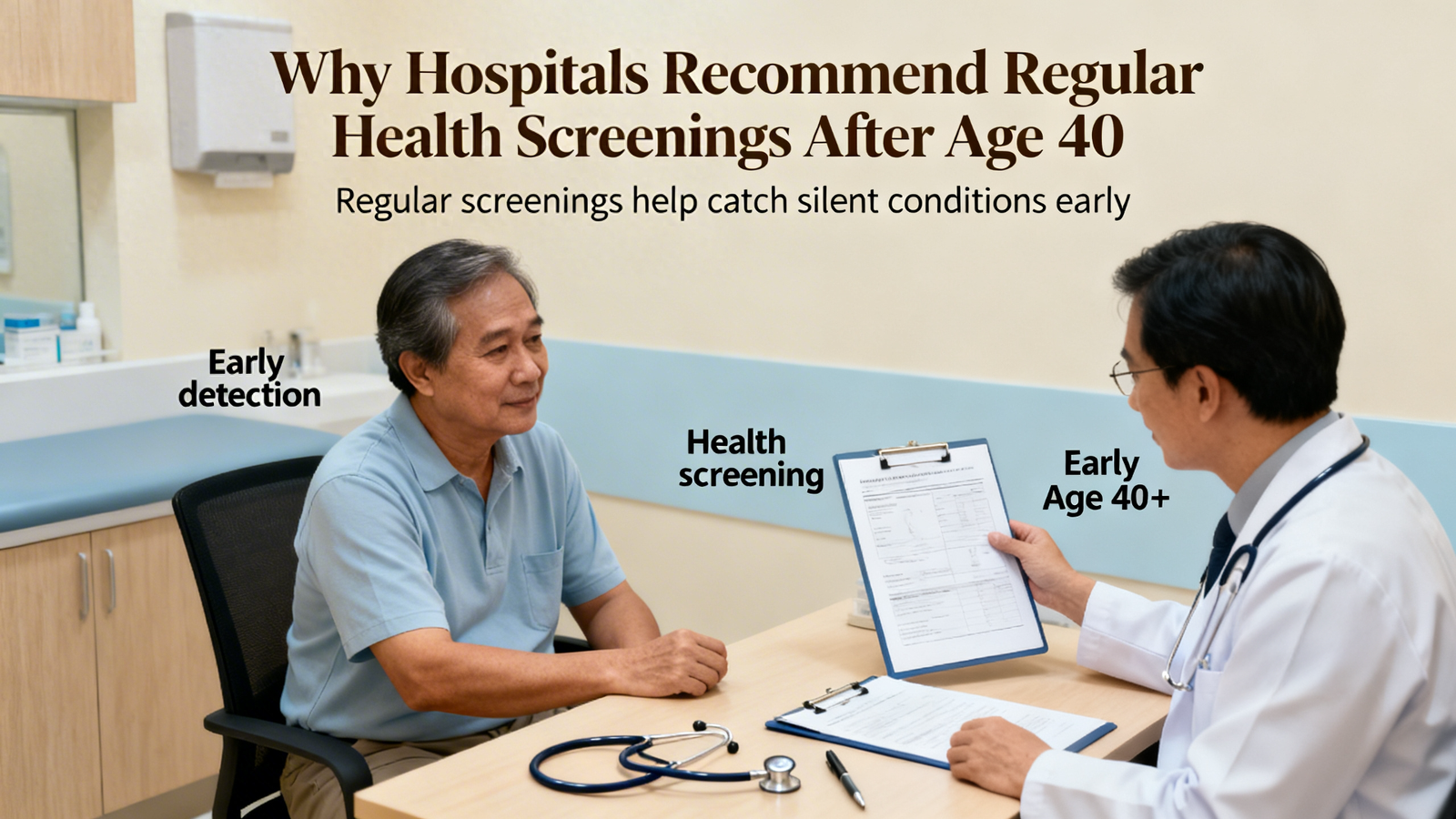
    A doctor explains to a male patient that many conditions develop silently after age 40, including heart disease, high blood sugar, joint pain, and various cancers.

    What Regular Health Screenings Involve

    The Broader Impact: Lifestyle, Mindset, and Survival

    The Hospital Approach to Personalised Screening

    Conclusion

    Frequently Asked Questions

    How often should I get screened after 40?

    Most hospitals recommend a comprehensive health check at least once every 1–2 years, depending on your risk profile.

    Are health screenings expensive?

    They can vary in cost, but many hospitals offer affordable packages. Compared to the cost of treating late-stage disease, screenings are an investment.

    Can I skip screenings if I feel healthy?

    No. Many conditions, like high blood pressure or diabetes, show no symptoms until advanced stages.

    Do men and women need different screenings?

    Yes. For example, women need breast and cervical cancer screenings, while men need prostate checks. Both need heart and metabolic screenings.

    What should I do if my screening shows an abnormal result?

    Don’t panic. Hospitals will guide you through further tests or lifestyle changes to manage risks early.

    About Northern Heart Hospital Penang

  • What Your Heartbeat Says About Your Health

    What Your Heartbeat Says About Your Health

    A man is sitting on a couch and checking his heartbeat on his smartwatch.

    At a Glance

    Understanding Your Heartbeat

    A doctor is performing a pulse check on the wrist of a female patient to monitor her heart rhythm.

    Clinical Classifications: Types of Heart Rhythms

    What Your Heartbeat Can Reveal

    Stress and Your Heartbeat

    A man is feeling chest pain while working from home.

    Tools to Monitor Your Heartbeat

    Expert Care at Northern Heart Hospital Penang

    Final Thoughts

    Frequently Asked Questions

    Can my heartbeat indicate stress?

    Yes, stress can cause temporary increases in heart rate or palpitations. However, if these symptoms are frequent or severe, consult a specialist.

    How do I know if my heart rate is too high?

    A resting heart rate consistently above 100 bpm (tachycardia) may need evaluation, especially if accompanied by symptoms like fatigue or shortness of breath.

    What’s the best way to track heart health at home?

    Use a smartwatch or home ECG monitor. For more accurate assessments, consider visiting nhearthospital.com for professional testing.

    Are irregular heartbeats always dangerous?

    Not always. Some are harmless, but persistent or symptomatic arrhythmias should be evaluated by a cardiologist.

    About Northern Heart Hospital Penang

  • What Your Heart Is Telling You When You Feel Dizzy Often

    What Your Heart Is Telling You When You Feel Dizzy Often

    At a Glance: Heart Health and Dizziness

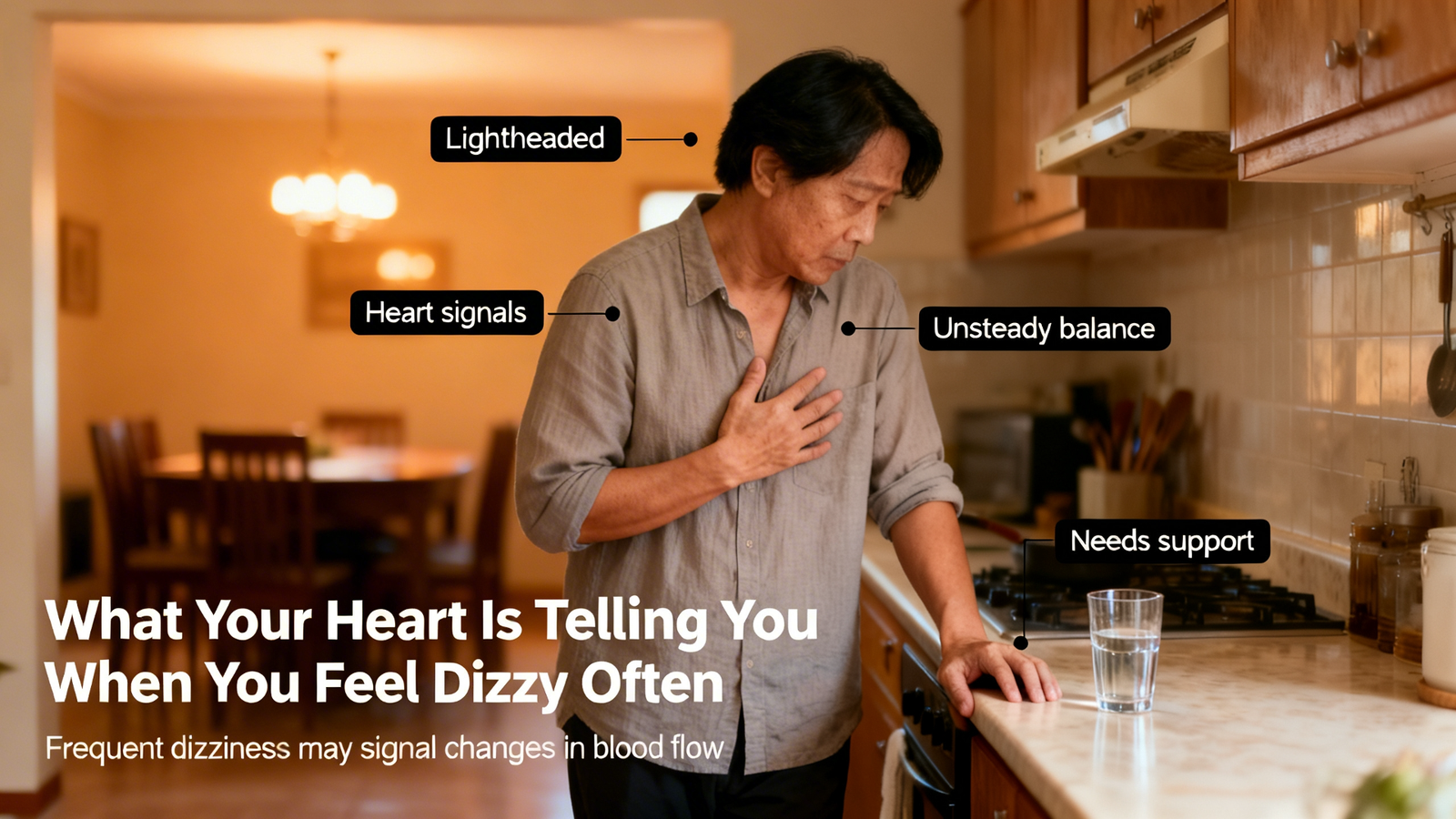
    Why Does My Heart Cause Dizziness?

    4 Common Heart Conditions Linked to Dizziness

    When is Dizziness a “Heart Red Flag”?

    External Factors: Dehydration and Stress

    How to Reduce Heart-Related Dizziness

    Frequently Asked Questions

    Is it normal to feel dizzy after exercise?

    While mild fatigue is normal, severe dizziness after exercise is a sign that the heart cannot keep up with the body’s oxygen demands. This may indicate heart valve issues or exercise-induced arrhythmia.

    Can high blood pressure cause dizziness?

    Yes. Although often “silent,” high blood pressure can cause dizzy spells by damaging the arteries that supply the brain or as a side effect of certain blood pressure medications.

    How does Northern Heart Hospital diagnose dizziness?

    Specialists use advanced diagnostic tools to look beyond the “feeling” of dizziness. By checking heart rhythms (ECG) and physical structures (Echocardiogram), they can identify if the root cause is cardiovascular or related to other systems like the inner ear.

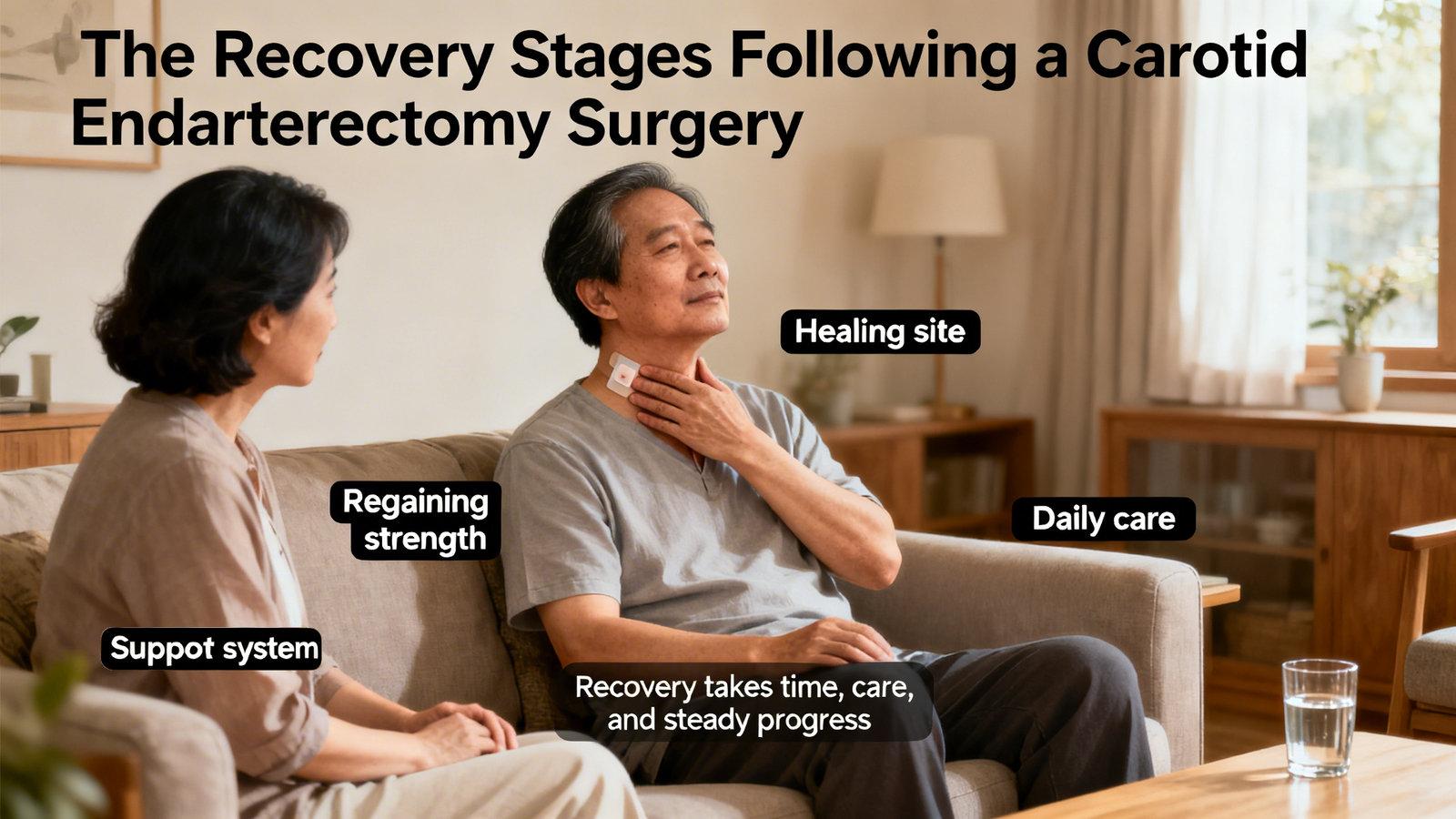
  • The Recovery Stages Following a Carotid Endarterectomy Surgery

    The Recovery Stages Following a Carotid Endarterectomy Surgery

    The Recovery Stages Following a Carotid Endarterectomy Surgery

    Recovering from a carotid endarterectomy is not just about healing the surgical site it’s about regaining confidence in your body, ensuring your arteries stay clear, and preventing future strokes. Whether you’ve recently undergone this procedure or are preparing for it, understanding each recovery stage helps you stay informed and motivated through the process.

    What Is a Carotid Endarterectomy?

    A carotid endarterectomy is a surgical procedure designed to remove plaque buildup from the carotid arteries the main vessels that supply oxygen-rich blood to your brain. When these arteries become narrowed due to atherosclerosis, the risk of stroke rises dramatically. The surgery’s goal is simple yet life-saving: to restore normal blood flow to the brain and reduce the chances of a future stroke.

    To visualize it, imagine your artery as a highway. When debris clogs the lanes, traffic slows down, and accidents happen. This surgery acts like a road-cleaning operation clearing out the buildup and ensuring smooth, uninterrupted circulation.

    The First 24 Hours After Surgery

    The first day after a carotid endarterectomy is the most crucial stage of recovery. Patients are monitored closely. Medical staff will observe blood pressure, neurological function, and wound healing.

    Discomfort and swelling around the incision site are common, but these are carefully managed with medication. The key goal during this period is to prevent complications such as bleeding, infection, or sudden changes in blood pressure that can stress the freshly repaired artery.

    For instance, vascular specialists like Assoc. Prof. Dr. Edward Choke Tieng Chek at Northern Heart Hospital are experts in managing vascular conditions and ensuring safe post-operative outcomes for patients undergoing this delicate procedure.

    The First Week: Gentle Movement and Monitoring

    After being discharged, the first week focuses on balancing rest and light activity. You may feel slightly tired or have mild discomfort, but this is entirely normal. Doctors often advise short, slow walks to promote blood circulation while avoiding strenuous movements that could strain the neck or incision area.

    Wound care is also crucial keeping the incision clean and dry helps prevent infection. Follow-up appointments usually occur within a few days to check your healing progress, monitor blood pressure, and may include assessment of the blood flow in the operated artery through an ultrasound.

    This stage marks the transition from hospital supervision to self-care at home, where consistency in following medical advice truly determines the pace of recovery.

    Managing Pain and Swelling

    Mild neck pain or stiffness is common during the early stages of recovery. Most patients find relief with prescribed painkillers or over-the-counter medications recommended by their doctors. Applying a cold compress for short intervals can also help reduce swelling.

    One important tip: avoid sudden neck movements or lifting heavy objects for at least two weeks. These small precautions make a huge difference in preventing complications and ensuring that your incision heals smoothly.

    Nutrition for Faster Healing

    Your diet plays a surprisingly powerful role in recovery. After carotid endarterectomy surgery, it’s best to embrace heart-healthy meals rich in lean protein, fruits, vegetables, and whole grains. Omega-3 fatty acids from fish or nuts can help reduce inflammation and support artery health.

    For example, skipping processed foods and salt-heavy snacks can help stabilize blood pressure, reducing stress on your repaired artery. Think of food as your daily medicine every bite either supports or slows your healing journey.

    The Second to Fourth Week: Regaining Strength

    During this stage, patients often notice an increase in energy levels and mobility. Light exercise, such as walking or gentle stretching, becomes a daily part of recovery. Most people can resume everyday activities after two weeks, depending on their doctor’s recommendations.

    You might also notice minor changes in sensation near your incision or mild tightness in your neck muscles. These are part of normal healing and tend to fade with time. Always inform your doctor if you experience dizziness, sudden headaches, or weakness, as these could indicate blood flow issues.

    Rehabilitation and Follow-Up Care

    Recovery isn’t only about physical healing it’s about regaining confidence and reducing future stroke risk. That’s why post-surgical rehabilitation plays a vital role.

    Rehabilitation Services from Northern Heart Hospital offer personalized recovery programs designed to rebuild strength, improve balance, and monitor cardiovascular performance. Their team helps patients safely transition from the hospital back into normal routines while emphasizing lifestyle changes that prevent future artery blockages.

    These programs often include guided physiotherapy sessions, nutritional counseling, and cardiovascular education all designed to keep your arteries in top shape long after surgery.

    Choosing a Hospital That Supports Full Recovery

    Selecting the right hospital can make a world of difference in your recovery journey. Facilities like Northern Heart Hospital are equipped with advanced vascular care units, dedicated post-surgical monitoring, and state-of-the-art imaging technologies to ensure optimal outcomes.

    Their comprehensive services include Rehabilitation Services, cardiac evaluations, and vascular imaging all under one roof. This integrated approach provides peace of mind that your recovery will be guided by experts who specialize in every step of your care.

    Expert Surgical Care from Leading Specialists

    A successful carotid endarterectomy requires not only precision but also experience. At Northern Heart Hospital, the vascular and cardiothoracic teams bring decades of expertise to the table.

    For instance, Assoc. Prof. Dr. Edward Choke Tieng Chek is renowned for his excellence in vascular surgery and his dedication to patient-centered care, particularly for complex carotid artery procedures.

    Emotional Healing After Surgery

    Recovery isn’t only physical; it’s deeply emotional. Some patients may feel anxious about having undergone major vascular surgery. Talking to family members, joining support groups, or seeking guidance from hospital counselors can make a big difference in maintaining a positive outlook.

    Remember, your recovery is unique. It’s okay to take it one day at a time and celebrate small milestones each walk, each pain-free night, and every follow-up visit brings you closer to full recovery.

    Preventing Future Artery Blockages

    After a successful carotid endarterectomy, maintaining artery health becomes a lifelong commitment. Adopting healthy habits like regular exercise, balanced eating, quitting smoking, and managing blood pressure ensures your arteries stay clear and strong.

    Periodic follow-up scans will help detect any early signs of re-narrowing (restenosis), giving your doctor a chance to act early if needed. Prevention truly begins with consistency.

    When to Seek Medical Help

    While most recoveries go smoothly, it’s vital to know when to call your doctor. If you notice symptoms such as severe headaches, neck swelling, facial drooping, slurred speech, or vision changes, seek immediate medical attention. These may indicate complications that need urgent care.

    Early detection and prompt response can prevent serious outcomes always err on the side of caution.

    The Road to Complete Recovery

    Most patients regain full independence within six weeks of surgery, depending on their overall health. However, staying consistent with medical checkups, physical activity, and healthy habits ensures the long-term success of the procedure.

    With the right medical guidance, a strong support system, and the expertise of institutions like Northern Heart Hospital, you can look forward to a future free from stroke worries.

    Conclusion

    Recovering from carotid endarterectomy is a process that blends patience, discipline, and expert care. Each stage from the first day to the final follow-up plays a crucial role in protecting your brain and restoring your confidence. With proper care, a balanced lifestyle, and guidance from top specialists like those at Northern Heart Hospital, patients can look forward to a healthier, more secure future.

    FAQs

    1. How long does it take to recover from carotid endarterectomy?
    Most patients recover within four to six weeks, but full recovery depends on overall health and adherence to medical advice.

    2. Can carotid arteries become blocked again after surgery?
    Yes, it’s possible. Regular checkups and maintaining healthy habits can minimize the risk of re-narrowing.

    3. When can I return to work after surgery?
    Typically, patients return to light work within two to three weeks, depending on job demands and their doctor’s approval.

    4. Is exercise safe after surgery?
    Light exercise like walking is encouraged, but always follow your doctor’s guidance before resuming vigorous activity.

    5. How can Northern Heart Hospital help with my recovery?
    From expert vascular surgeons to personalized Rehabilitation Services, Northern Heart Hospital offers comprehensive post-surgical care for a full and lasting recovery.

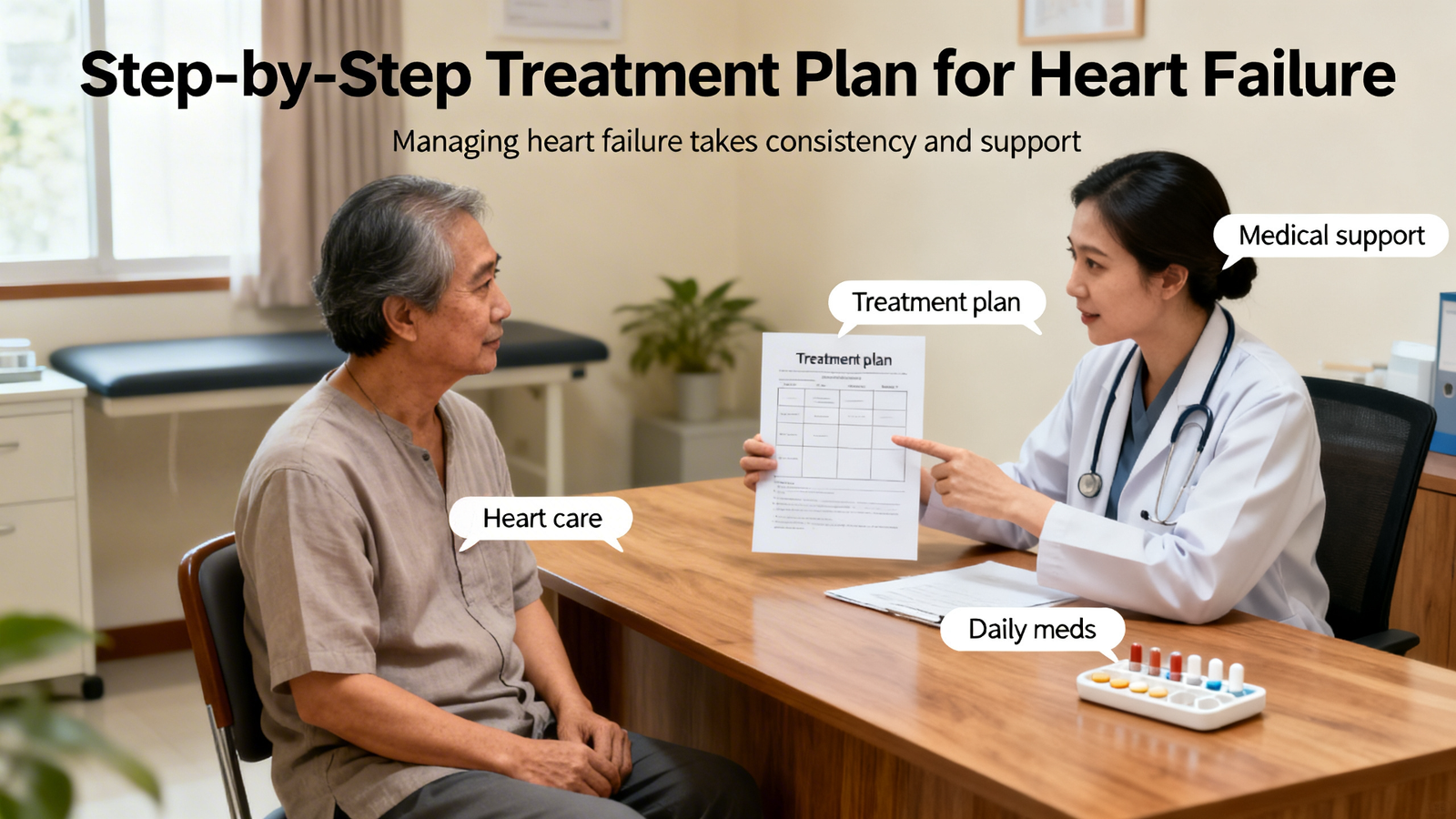
  • Step-by-Step Treatment Plan for Heart Failure

    Step-by-Step Treatment Plan for Heart Failure

    The doctor is explaining the heart failure treatment plan to a senior male patient.

    At a Glance

    Understanding Heart Failure

    Underlying Causes and Risk Factors

    Recognising the Symptoms

    Getting a Diagnosis

    The doctor diagnoses the senior male patient with heart failure and explains his test results

    Emotional and Mental Health Support

    Working with a Heart Specialist at Northern Heart Hospital

    Final Thoughts: Living Well with Heart Failure

    Frequently Asked Questions.

    Can heart failure be completely cured?

    No, but it can be managed effectively. Many people live for years with a good quality of life through medication and lifestyle changes.

    Is exercise safe for people with heart failure?

    Yes, if guided by a doctor or rehab team. It improves stamina and reduces symptoms over time.

    How do I know if my heart failure is getting worse?

    Watch for sudden weight gain, increased shortness of breath, swelling, and fatigue. Regular check-ups help catch problems early.

    What foods should I avoid with heart failure?

    Avoid high-sodium foods like processed meats, canned soups, chips, and pickles. Stick to fresh, whole foods as much as possible.

    Where can I find specialised care for heart failure in Malaysia?

    Northern Heart Hospital Penang offers comprehensive, state-of-the-art care tailored specifically for heart failure patients.

    About Northern Heart Hospital Penang

0
    0
    Your Cart
    Your cart is emptyReturn to Shop